






















Vers la page d'accueil
4.6/5
TrustPilot

Les Meilleurs doctors pour le traitement d'hépatite virale en Turquie - TOP-8 des médecins

Comparez les meilleurs médecins Hépatite virale et les prix en Turquie. Trouvez votre meilleure correspondance ici.

Obtenez des devis de 3 meilleurs spécialistes en Turquie

Nous sélectionnons à la main les meilleurs médecins selon vos besoins et votre budget.

Meilleurs médecins

8

Turquie

Avis

14000+

De vrais patients

Obtenez gratuitement des plans de traitement personnalisés et choisissez la meilleure option. Sans engagement · Aucun paiement pour nos services

Ramazan Gozukucuk

  • Nouveau
  • 25 années d'expérience
  • Lieu : Turquie, Istanbul
  • Le professeur associé Dr Ramazan Gozukucuk est spécialisé dans l'hépatite virale, avec 24 ans d'expérience en maladies infectieuses.

    • Détention de doubles certificats de compétence en maladies infectieuses et microbiologie clinique
    • Publication de 15 articles et participation à de nombreux congrès internationaux
    • Expertise incluant les infections hospitalières et les infections émergentes/réémergentes
    • Exercice au Hisar Hospital Intercontinental, un centre médical de premier plan
  • Lire la suite
Visite du médecin
Prix sur demande

Nurettin Demirkol

  • Nouveau
  • 43 années d'expérience
  • Lieu : Turquie, Istanbul
  • Le Dr Demirkol est spécialisé dans la gestion des maladies chroniques, notamment l'hépatite virale, avec un accent mis sur le suivi complet des soins.

    • Expert en gestion de l'hypertension, de l'hyperlipidémie et du diabète
    • Formé à l'Université d'Istanbul – l'une des meilleures facultés de médecine de Turquie
    • Travaille à l'Hisar Hospital Intercontinental – un établissement de santé de premier plan
    • Titulaire d'un master en gestion de la santé de l'Université Okan
  • Lire la suite
Visite du médecin
Prix sur demande

Suveyda Gozukucuk

  • Nouveau
  • 26 années d'expérience
  • Lieu : Turquie, Istanbul
  • Spécialisé dans les maladies infectieuses, le Dr Gozukucuk se concentre sur la gestion de l'hépatite à l'hôpital Hisar Intercontinental.

    • Expertise dans la gestion des infections pour les patients immunodéprimés
    • Intérêt particulier pour les infections hospitalières et la stérilisation
    • Diplôme de spécialisation en maladies infectieuses de l'Université d'Erciyes
  • Lire la suite
Visite du médecin
Prix sur demande

Bengisu Ay

  • Nouveau
  • 22 années d'expérience
  • Lieu : Turquie, Istanbul
  • Le Dr Bengisu Ay est spécialiste des maladies infectieuses, avec un accent particulier sur l'hépatite virale, apportant une vaste expérience clinique acquise dans plusieurs hôpitaux de Turquie.

    • Formée à l'Université Dokuz Eylul – une institution de premier plan pour les maladies infectieuses
    • Publier plusieurs articles de recherche sur les traitements et les complications de l'hépatite
    • Participer à des études multicentriques sur la résistance aux antibiotiques et les infections du pied diabétique
    • Membre d'initiatives de santé turques axées sur le contrôle des infections
  • Lire la suite
Visite du médecin
Prix sur demande
Ali Inal

  • Nouveau
  • 26 années d'expérience
  • Lieu : Turquie, Istanbul
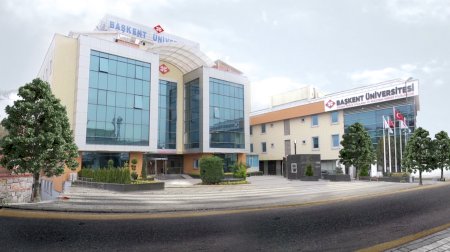
  • Plus de 25 ans de spécialisation en immunologie et maladies infectieuses – Le Pr Dr Inal dirige le département d'immunologie et d'allergologie de l'hôpital de l'université Baskent d'Istanbul.

    • Formation spécialisée en immunologie clinique et allergologie
    • Recherches approfondies sur les tempêtes de cytokines et l'immunologie des transplantations
    • Auteur de nombreuses publications scientifiques en immunologie et maladies infectieuses
    • Mentorat de jeunes professionnels en milieu clinique et académique
  • Lire la suite
Visite du médecin
Prix sur demande

Eda Kepenekli

  • Nouveau
  • 23 années d'expérience
  • Lieu : Turquie, Istanbul
  • Spécialiste des maladies infectieuses pédiatriques, y compris l'hépatite virale, à l'hôpital universitaire Biruni. A formé 8 sous-spécialistes en maladies infectieuses pédiatriques en tant que chef de département.

    • Diplômé de l'Université d'Ankara en 2003
    • Spécialisation en maladies infectieuses pédiatriques obtenue en 2013
    • Expert en maladies infantiles évitables par la vaccination
    • Formation à l'utilisation rationnelle des antibiotiques
  • Lire la suite
Visite du médecin
Prix sur demande

Choisir une clinique à l'étranger peut être stressant. Chez Bookimed, avec plus de 800 000 patients aidés, nous comprenons vos préoccupations. Nous savons comment trouver des médecins de confiance, les meilleures options qualité-prix, et des solutions pour les cas les plus complexes. Nous sommes là pour vous guider à chaque étape.

Yan Matsiivskiy

Responsable de l'équipe de coordination médicale

4300++ parcours patients accompagnés

3 années chez Bookimed

278 patients du Turkey ont trouvé leur médecin grâce à nous ce mois-ci

Comment obtenir la meilleure correspondance avec un médecin

1

Quiz de 2 minutes

Indiquez-nous votre objectif, budget, délai

2

Appariement humain + IA

Notre algorithme trouve des correspondances, le coordinateur vérifie l'adéquation

3

Vos options prêtes

Comparez les prix, forfaits, dates. Discutez avec votre coordinateur

Trop de choix ?

Votre personnel Le coordinateur Bookimed vous aide à trouver le chirurgien idéal adapté à vos besoins

  • Vous accompagne à chaque étape, 24h/24 et 7j/7
  • Vous aide à trouver le bon médecin et gère toute la communication avec les cliniques
  • Coordonne vos déplacements, hébergement et transferts

Accompagnement de votre traitement

Coordinateurs médicaux personnels formés

Peguy Beaugris
Tetyana Hyrych
Zekra Eldeeb
Victoria Olayinka
Iryna Sydorchuk
Tetiana Ihnatiuk

Choisir le bon médecin et la bonne clinique : conseils d'initiés

Lors du choix d’un médecin ou d’une clinique, gardez ces points essentiels à l’esprit :
Vérifiez les qualifications
Vérifiez les certifications d’organismes tels que l’ISAPS, la JCI, etc.
Examinez les taux de réussite
Choisissez des médecins ayant une solide expérience dans votre traitement spécifique.
Lisez les avis des patients
Consultez les avis patients réels sur Bookimed pour découvrir leur expérience.
Assurer la communication efficace
Choisissez des cliniques offrant un support linguistique pour un traitement fluide.
Demander les services
Vérifiez si le prix comprend des services tels que l’hébergement, les transferts locaux et le suivi afin d’éviter les coûts cachés.

Bookimed Insights : Meilleurs spécialistes d'hépatite virale en Turquie (2026)

Bookimed a coordonné 29 demandes pour le traitement de Hépatite virale en Turquie, en collaboration avec 8 spécialistes. Les médecins de ce tableau se distinguent régulièrement par leurs qualifications et leur expertise à répondre aux besoins spécifiques des patients. Toutes les informations proviennent de cas réels de patients et d'offres de traitement créées par nos cliniques partenaires.
ClassementMédecinexpérienceBon choix pourCe qui les distingueClinique et emplacementConsultation
#125 années d'expérienceTraitement de l'hépatite viraleSpécialisation en hépatite virale avec une double certification. Chercheur actif avec 15 publications et participation à des conférences internationales.
Turquie
Prix sur demande
#243 années d'expériencePrise en charge des maladies chroniquesSpécialisé dans le suivi complet des maladies chroniques. Formation à l'Université d'Istanbul avec une expertise supplémentaire en gestion de la santé.
Turquie
Prix sur demande
#326 années d'expérienceGestion de l'hépatiteSpécialisation dans les maladies infectieuses avec un accent sur l'hépatite et le contrôle des infections, particulièrement pour les patients immunodéprimés.
Turquie
Prix sur demande
#422 années d'expérienceCas d'hépatite complexesSpécialisation dans la prise en charge des cas complexes d'hépatite avec des recherches publiées sur les effets secondaires des traitements. Participation active à des études nationales sur la gestion des infections et les modes de résistance.
Turquie
Prix sur demande
#526 années d'expérienceCas d’immunologie complexesChercheur de premier plan sur les tempêtes de cytokines et l'immunologie des transplantations. Chef du département d'immunologie et d'allergologie, doté d'une vaste contribution académique.
Turquie
Prix sur demande
#623 années d'expérienceHépatite virale pédiatriqueSpécialisé en maladies infectieuses pédiatriques, a formé 8 spécialistes en tant que chef de service. Expert dans la gestion des infections chez les enfants présentant des déficits immunitaires.
Turquie
Prix sur demande

FAQ

Ces FAQ sont basées sur les questions de patients réels cherchant des soins médicaux avec Bookimed. Les réponses sont fournies par des experts médicaux et des représentants de cliniques réputées.

Is viral hepatitis treatment in Turkey performed by certified hepatologists with international accreditation?

Viral hepatitis treatment in Turkey is performed by infectious disease specialists and gastroenterologists holding Turkish Ministry of Health certification. Many experts at Joint Commission International accredited hospitals complete international fellowships. Some specialists possess Competency Certificates in Infectious Diseases and Clinical Microbiology. They follow global clinical protocols.

  • Specialist credentials: Doctors often hold official Competency Certificates in Infectious Diseases and Clinical Microbiology.
  • Global training: Leading specialists frequently complete research fellowships at major United States or European institutions.
  • Hospital standards: Top facilities like Hisar Hospital Intercontinental maintain Joint Commission International accreditation for safety.
  • Academic expertise: Many professors at university-affiliated hospitals contribute extensively to international viral hepatitis research.

Bookimed Expert Insight: While patients often search for a specific hepatologist title, Turkish medical systems primarily classify these experts under infectious diseases or gastroenterology. Data shows that specialists like Assoc. Prof. Dr. Ramazan Gozukucuk at Hisar Hospital Intercontinental often have higher clinical volume, treating thousands of cases annually. Choosing a doctor with international congress participation ensures they are familiar with the latest global drug protocols and diagnostic methods.

Patient Consensus: Patients note that diagnostics are very clear and organized, though some wish for longer consultation times during appointments. It is often recommended to verify a doctor's Turkish Board certification through official registries rather than relying on general marketing claims.

What treatment techniques are used for chronic viral hepatitis B and C in Turkey?

Turkey uses advanced Direct-Acting Antivirals (DAAs) and oral nucleoside analogs to treat chronic viral hepatitis. Patients access high-potency medications like Entecavir and Tenofovir for Hepatitis B. Hepatitis C is managed with modern regimens including Sofosbuvir and Velpatasvir. These protocols achieve cure rates over 95%.

  • Hepatitis B therapy: Entecavir and Tenofovir provide viral suppression with low resistance risk.
  • Hepatitis C treatment: Advanced DAAs like Glecaprevir and Pibrentasvir eliminate the virus.
  • Specialized diagnostics: Clinics utilize 3 Tesla MRI and PET-CT for liver assessment.
  • Expert management: Infectious disease specialists at JCI-accredited centers oversee complex viral cases.

Bookimed Expert Insight: Turkish infectious disease specialists often have massive clinical experience. Dr. Bengisu Ay at Medipol University Pendik Hospital has published specific research on hepatitis B and C. This depth of expertise is common in Istanbul centers. These facilities manage over 600,000 patients annually. They provide access to the latest drug protocols before many other regions. Patients should look for doctors with subspecialization in clinical microbiology for precise viral load management.

Patient Consensus: Patients note that consultations at major Turkish centers are highly professional and diagnostic testing is very efficient. They emphasize that while doctors deliver clear explanations about disease management, the clinical environments are consistently clean and organized.

How long will I have to stay in Turkey for a full viral-hepatitis treatment schedule?

Initial diagnosis and treatment planning for viral hepatitis in Turkey usually require 6 to 7 days. Patients typically receive their first medication supply and then complete the 8–12 week Hepatitis C regimen at home. Chronic Hepatitis B management often involves long-term oral therapy followed remotely.

  • Diagnostic timeframe: Specialized tests like FibroScan and bloodwork take 2–3 days for completion.
  • Hepatitis C duration: Oral therapy typically lasts 8–12 weeks with a 95% success rate.
  • Hepatitis B protocols: Chronic cases require medications for 1 year or longer to suppress virus.
  • Transplant recovery: Severe cases requiring living-donor liver transplants involve a 20-day hospital stay.

Bookimed Expert Insight: Turkish facilities like Hisar Hospital Intercontinental focus on high-volume efficiency. They serve over 250,000 patients annually despite having only 270 beds. This high turnover means diagnostic departments are optimized for speed. Patients can often finalize a complete treatment plan and secure their medications within one business week.

Patient Consensus: Patients note that initial diagnostics are very clear and operational. Most emphasize that staying for a week is enough to get a diagnosis and start treatment before heading home.

What are the major safety risks or side-effects during antiviral therapy in Turkey?

Antiviral therapy in Turkey for viral hepatitis is generally well-tolerated. Patients may occasionally experience gastrointestinal distress, fatigue, or elevated liver enzymes. Major safety risks like nephrotoxicity or neuropsychiatric effects are rare. JCI-accredited centers maintain rigorous monitoring protocols to ensure early detection and management of side effects.

  • Liver safety: Monitoring prevents hepatotoxicity, ensuring 99% of patients remain within safe enzyme levels.
  • Kidney health: Regular GFR checks during tenofovir therapy protect against potential renal function changes.
  • Neurological monitoring: Specialists manage rare insomnia or irritability to ensure treatment stability and patient comfort.
  • Blood composition: Routine bloodwork identifies rare anemia early, allowing for effective dosage adjustments.
  • Gastrointestinal care: Mild nausea or abdominal pain typically resolves within the first treatment month.

Bookimed Expert Insight: High-volume centers like Medipol Bahçelievler, serving 600,000 patients annually, offer a critical safety advantage. Their experience with diverse populations helps doctors identify subtle symptoms like electrolyte imbalances faster than smaller clinics. This volume-driven expertise is why large Turkish university hospitals report high success with complex antiviral protocols.

Patient Consensus: Patients note that fatigue often appears near week 3, making consistent lab work essential. They also advise using sun protection during therapy to avoid rashes, especially when staying on the coast.

Which cities host the strongest hepat/hepatology programs accessible to international patients?

Istanbul, Seoul, London, and Rochester (MN) host the strongest hepatology programs. Istanbul is a major global hub. It features Joint Commission International (JCI) accredited centers. These facilities offer a 90% organ transplant success rate. Dedicated international departments handle logistics for patients from 160+ countries.

  • Hospital accreditation: Joint Commission International (JCI) standards ensure safety.
  • Success rates: Turkish centers report 90% success for organ transplants.
  • Global accessibility: Memorial Şişli Hospital serves patients from 167 countries.
  • Expert affiliations: Anadolu Medical Center maintains a Johns Hopkins Hospital affiliation.

Bookimed Expert Insight: Istanbul distinguishes itself by the massive scale of its medical infrastructure. Hisar Hospital Intercontinental serves 250,000 patients annually. Medipol Bahçelievler University Hospital handles up to 600,000. This high patient volume allows surgeons to gain vast practical experience. Major centers often have over 150 doctors and nearly 100 specialized departments under one roof.

Patient Consensus: Patients note it is important to choose clinics with personal coordinators. They appreciate when hospitals provide airport transfers and nearby hotel stays. Many emphasize that having all diagnostic tests like PET-CT and SPECT-CT in one building simplifies the treatment process effectively.

What documentation must I bring for a smooth admission?

Admission for viral hepatitis treatment in Turkey requires a valid passport with six months validity and specific medical files. You must present previous blood tests, liver biopsy results, and imaging scans like ultrasound or FibroScan. Most JCI-accredited centers in Istanbul also require a list of current medications.

  • Travel identity: A valid passport and medical visa are required for entry into Turkey.
  • Diagnostic records: Bring HBsAg, HCV-RNA, and liver function test results from your home country.
  • Imaging data: Hard copies or digital files of recent liver ultrasounds are highly recommended.
  • Current medications: Provide a detailed list of antiviral drugs or supplements you currently use.

Bookimed Expert Insight: While many focus on current tests, the most successful admissions happen when patients bring historical viral load data. Doctors like Dr. Ramazan Gozukucuk at Hisar Hospital Intercontinental use long-term data trends to adjust specialist antiviral protocols more accurately. This documentation can prevent redundant diagnostic costs during your first hospital days.

Patient Consensus: Patients emphasize bringing digital copies of all records because physical copies are easy to lose during travel. They also note it's helpful to have previous lab results translated into English to speed up the initial doctor consultation.

Do Turkish clinics provide English-language interpretation and post-treatment tele-consults once I return home?

Turkish clinics provide English-language interpretation and post-treatment tele-consults for international patients. Private hospitals in Istanbul and Antalya employ dedicated patient coordinators. These specialists assist with on-site translation and remote follow-ups. JCI-accredited facilities maintain strict communication protocols for recovery monitoring.

  • Language support: Translators are standard at international departments. They facilitate doctor-patient communication.
  • Remote consultations: Many clinics offer follow-up via WhatsApp or video calls. This monitors recovery.
  • Medical coordination: Dedicated assistants bridge the gap between surgeons and patients. They handle documentation.
  • Virtual aftercare: Advanced hospitals use mobile apps for post-treatment tracking. This ensures ongoing support.

Bookimed Expert Insight: Patient volume often dictates the level of follow-up care. Large centers like Hisar Hospital Intercontinental serve over 250,000 patients annually. They have the infrastructure for dedicated international units. Smaller clinics may offer personalized WhatsApp support through the doctor. Always confirm if virtual consults are included in your care plan before traveling.

Patient Consensus: Patients note that clinics are very organized and staff are helpful during the visit. They explain that keeping in touch via messaging apps is common for quick questions after returning home.




