Place and Date of Birth
Ankara, 1980
Foreign Languages
English
Education and Experience
1998 – 2004 Gülhane Military Medical Academy, Faculty of Medicine
2005 – 2007 6th Motorized Infantry Brigade Infirmary, Şırnak (General Practitioner) 2007 – 2011 Gülhane Military Medical Academy, Department of Ophthalmology (Specialization)
2011 – 2018 Isparta Military Hospital / Isparta Yunus Emre State Hospital (Specialist Physician)
2018 – 2022 Süleyman Demirel University, Department of Ophthalmology (Assistant Professor)
2019 – 2019 Gülhane Military Medical Academy, Department of Ophthalmology Vitreoretinal Surgery Course
2022 – 2024 Lara Anatolia Hospital (Associate Professor)
Number of Scientific Publications
Over 50 scientific publications
Clinical Experience
13 years of active practice in ophthalmology; experience with over 10,000 cases
Procedures Performed
- Cataract surgery with IOL replacement (Single and both eyes)
- LASIK and IntraLase laser eye surgery
- ReLEx SMILE and Photorefractive keratectomy (PRK)
- Corneal Cross Linking (CCL) for keratoconus
- Strabismus treatment and surgical correction
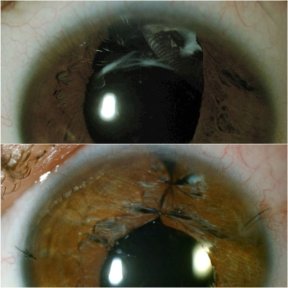
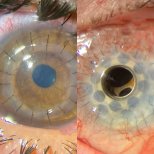
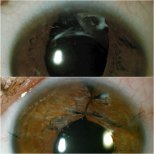
- Artisan Iris and Claw Lens applications
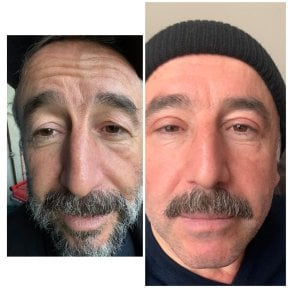
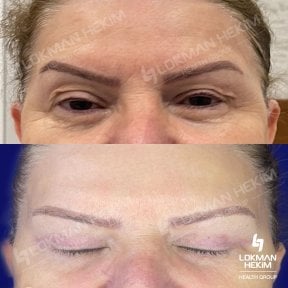
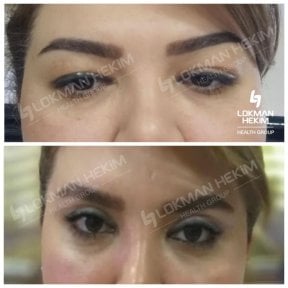
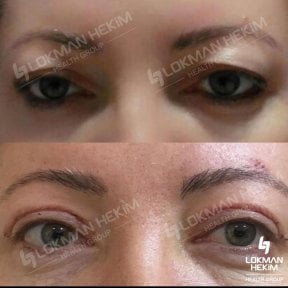
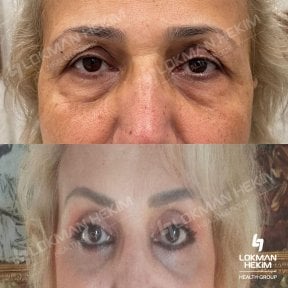
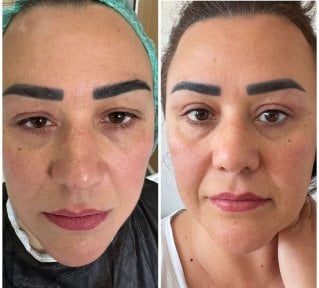
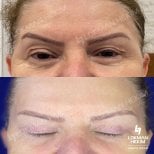
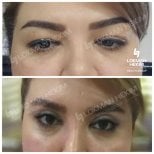
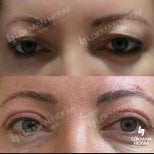
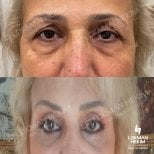
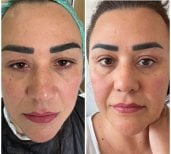
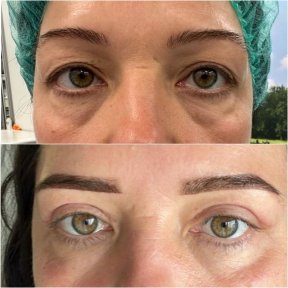
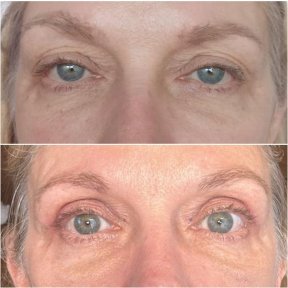
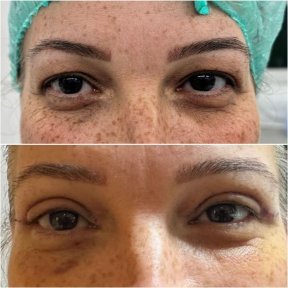
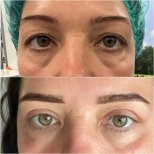
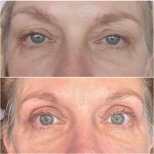
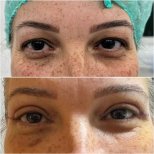
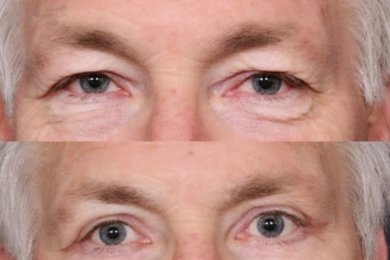
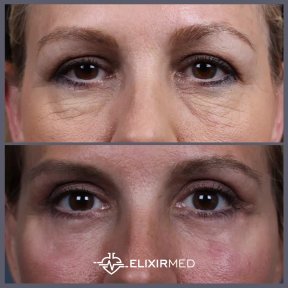
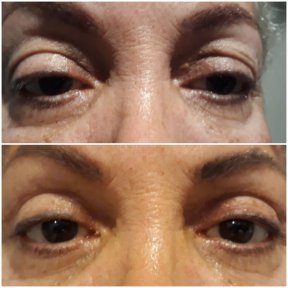
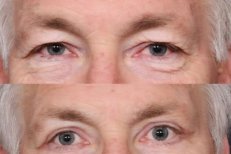
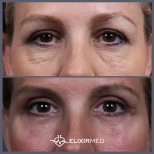
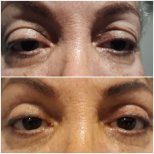
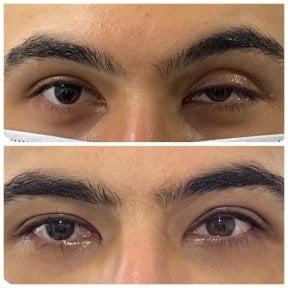
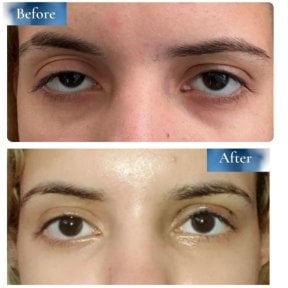
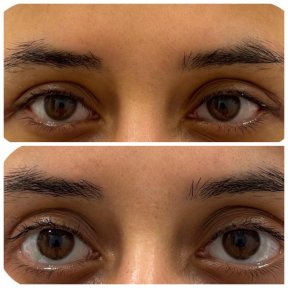
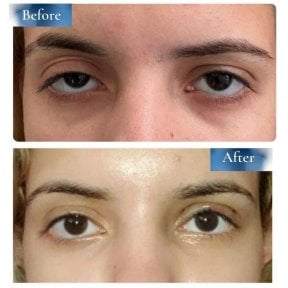
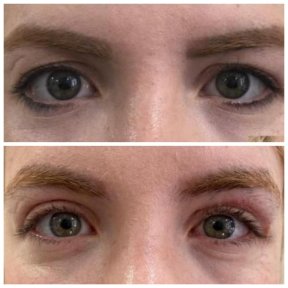
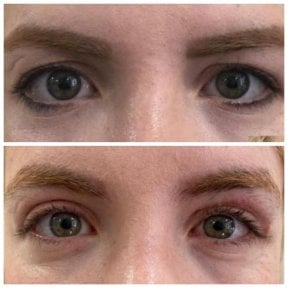
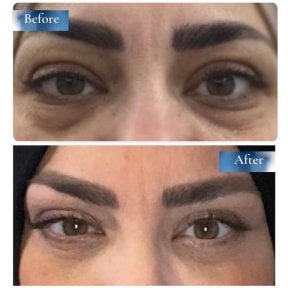
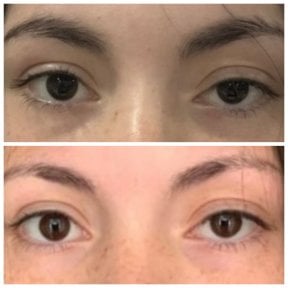
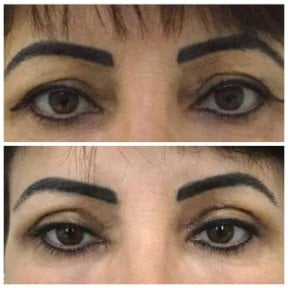
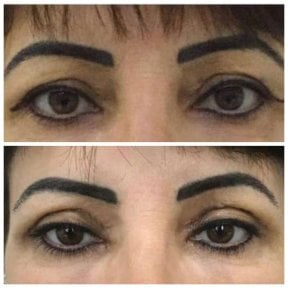
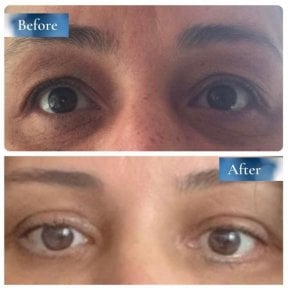
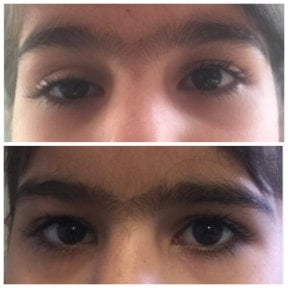
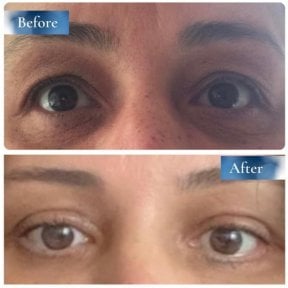
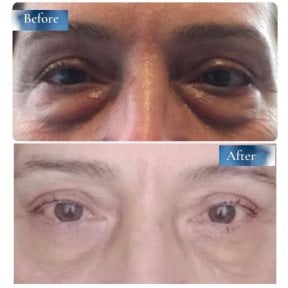
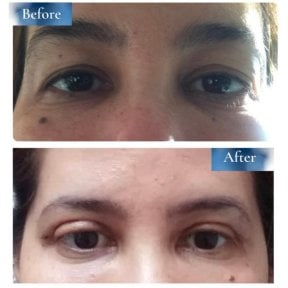
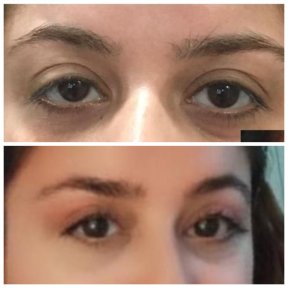
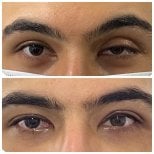
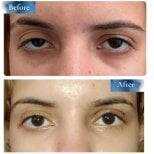
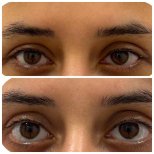
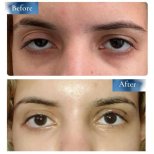
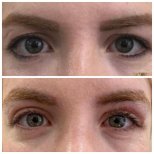
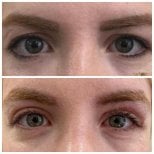
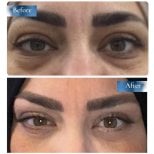
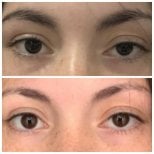
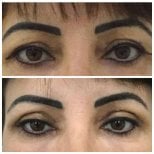
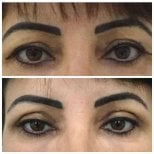
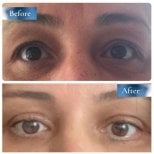
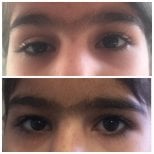
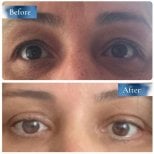
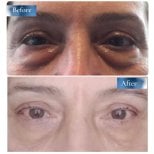
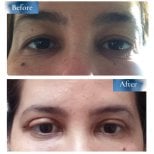
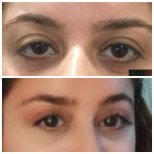
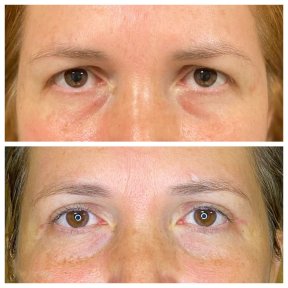
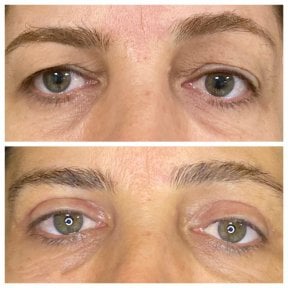
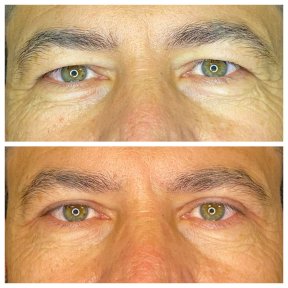
Oculoplasty (eyelid surgery)
Professional Memberships
Turkish Ophthalmological Association (TOD)
American Academy of Ophthalmology (AAO)
Certifications
International Council of Ophthalmology (ICO) – Optics, Refraction & Instruments (2019)
International Council of Ophthalmology (ICO) – Basic Sciences (2019) International Council of Ophthalmology (ICO) – Clinical Examination (2020) International Council of Ophthalmology (ICO) – Fellowship of the International Council of Ophthalmology (FICO) (2021)
European Board of Ophthalmology – Fellowship of the European Board of Ophthalmology (FEBO) (2021)
Awards 3rd Place for Best Research, 43rd National Congress of the Turkish Ophthalmological Association (TOD), 2009
Books/Book Chapters
Umut Karaca, *Healthy Generation, Secure Future: A Guide to Growth, Development, and Nutrition for School-Aged Children (for Families and Teachers)* – Chapter: "Vision Problems" (2021)
Umut Karaca, *COVID-19 Pandemic: Current Approaches* – Chapter: "The Impact of the COVID-19 Pandemic on Clinical Ophthalmology Practice" (2021)
Umut Karaca, *Physical Examination Handbook (Süleyman Demirel University Faculty of Medicine)* – Chapter: "Strabismus Examination" (2019)
Umut Karaca, Murat Küçükevcilioğlu, Ali Hakan Durukan – *Pediatric Vitreoretinal Surgery* – Chapter title:(Closed Globe Injuries) (2023)