

Vers la page d'accueil
4.6/5
TrustPilot

Les Meilleurs doctors pour le traitement de kératocône en Grèce - TOP-1 des médecins

Comparez les meilleurs médecins Kératocône et les prix en Grèce. Trouvez votre meilleure correspondance ici.

Obtenez des devis de 3 meilleurs spécialistes en Grèce

Nous sélectionnons à la main les meilleurs médecins selon vos besoins et votre budget.

Meilleurs médecins

1

Grèce

Avis

14000+

De vrais patients

Obtenez gratuitement des plans de traitement personnalisés et choisissez la meilleure option. Sans engagement · Aucun paiement pour nos services

Montrer d'abord :

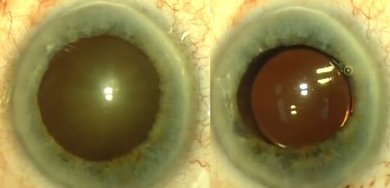
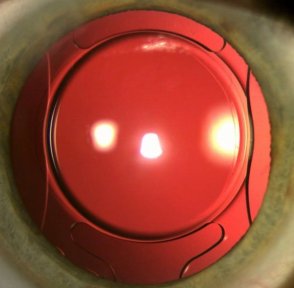
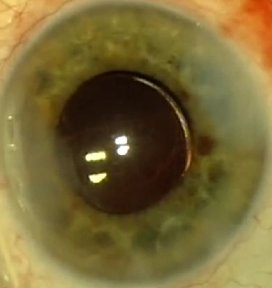
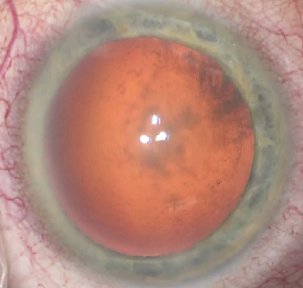
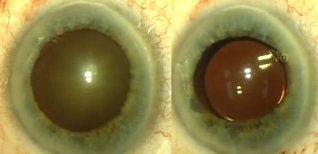
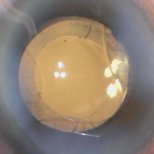
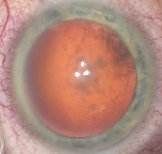
Résultats avant/après chirurgie de la cataracte avec implant IOL chez Dr Nikolaos I Dervenis
Résultats avant/après greffe de rétine à la clinique Dr Nikolaos I Dervenis, amélioration
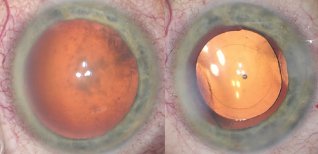
Résultat avant et après chirurgie de la cataracte avec implant chez Dr Nikolaos I Dervenis
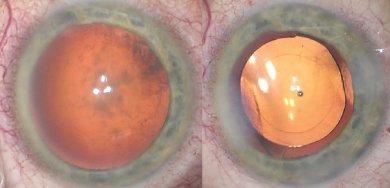
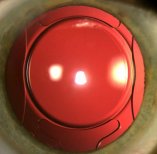
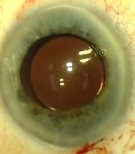
Résultat de la chirurgie de la cataracte avec implant multifocal à la clinique Dr Nikolaos I Dervenis
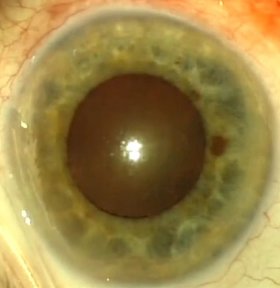
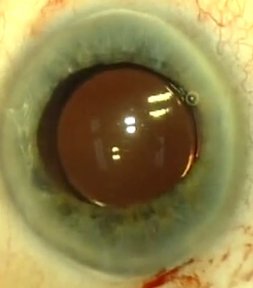
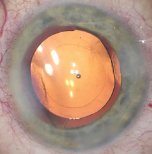
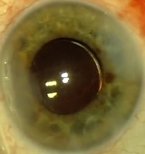
Résultat de la chirurgie de la cataracte sur un œil à la clinique Dr Nikolaos I Dervenis
Résultat de chirurgie du décollement de rétine chez Dr Nikolaos I Dervenis, rétine restaurée
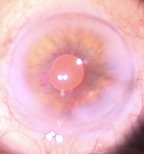
Résultat de la chirurgie de la cataracte chez Dr Nikolaos I Dervenis MD, MSc, PhD, FEBO – lentille claire
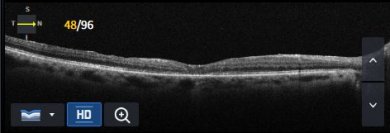
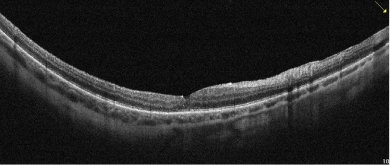
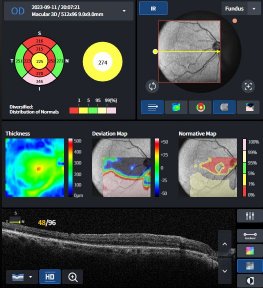
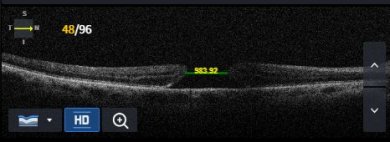
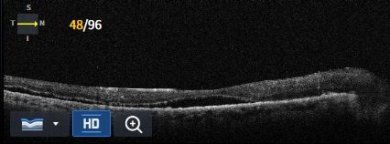
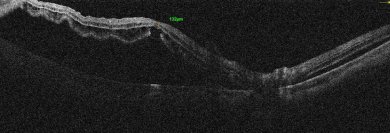
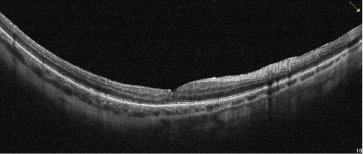
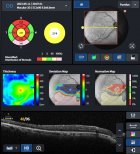
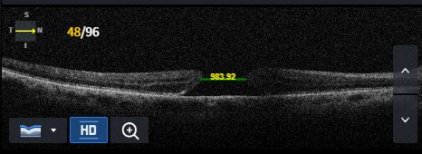
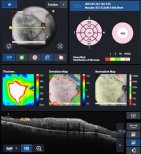
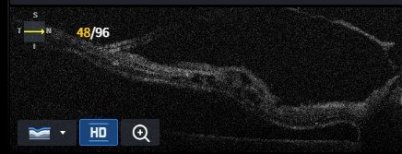
OCT après vitrectomie chez Dr Nikolaos I Dervenis MD, MSc, PhD, FEBO – amélioration rétinienne
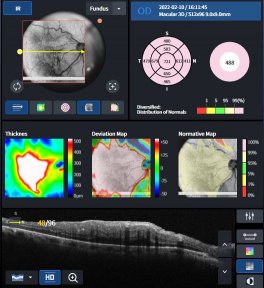
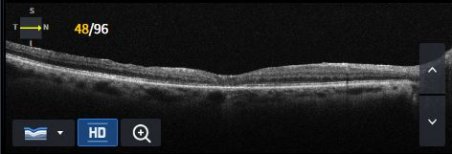
OCT maculaire après vitrectomie chez Dr Nikolaos I Dervenis MD, MSc, PhD, FEBO – amélioration rétinienne
Résultat après chirurgie de la cataracte avec implant multifocal chez Dr Nikolaos I Dervenis
Résultat après chirurgie de la cataracte chez Dr Nikolaos I Dervenis MD, MSc, PhD, FEBO
Résultat de la chirurgie de la cataracte aux deux yeux chez Dr Nikolaos I Dervenis MD, remplacement du cristallin
Résultat de la chirurgie de la cataracte avec implant multifocal chez Dr Nikolaos I Dervenis
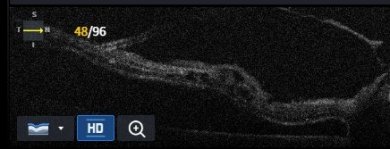
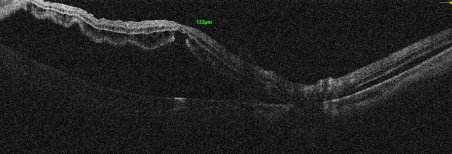
Scan OCT montrant un décollement de rétine avant chirurgie chez Dr Nikolaos I Dervenis
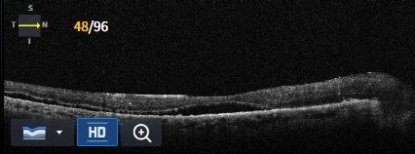
Résultat OCT après vitrectomie chez Dr Nikolaos I Dervenis MD, MSc, PhD, FEBO - rétine améliorée
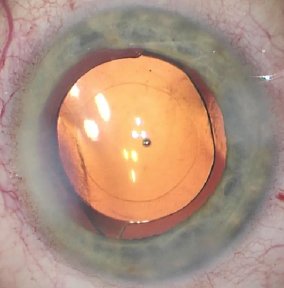
Résultat de la chirurgie de la cataracte avec implant IOL chez Dr Nikolaos I Dervenis MD, MSc, PhD, FEBO
Scan OCT montrant un décollement de rétine avant chirurgie à la clinique Dr Nikolaos Dervenis
Résultat de chirurgie du décollement rétinien chez Dr Nikolaos I Dervenis MD, MSc, PhD, FEBO - OCT
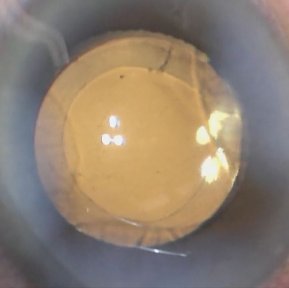
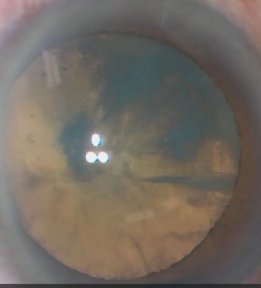
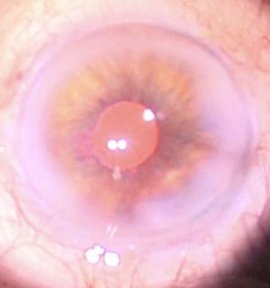
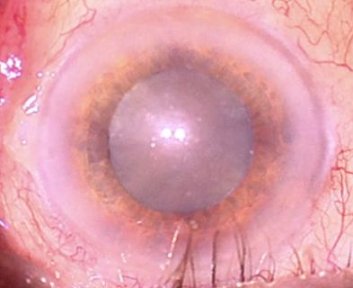
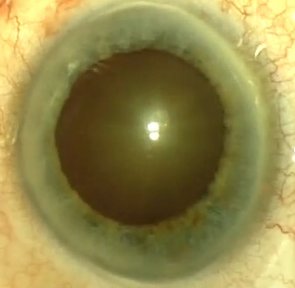
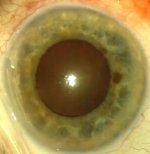
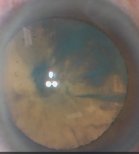
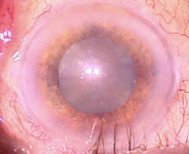
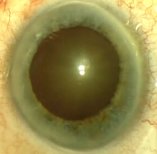
Cataracte avant chirurgie chez Dr Nikolaos I Dervenis MD, MSc, PhD, FEBO – cristallin opaque
Résultat de vitrectomie chez Dr Nikolaos I Dervenis MD, MSc, PhD, FEBO – épaisseur rétinienne améliorée
Résultat de la chirurgie de la cataracte avec implant multifocal à la clinique Dr Dervenis
Cataracte avant chirurgie chez Dr Nikolaos I Dervenis MD, MSc, PhD, FEBO – opacité du cristallin
Nikolaos Dervenis

Nikolaos Dervenis

5 Excellent1 avis
12 années d'expérience
Lieu : Grèce, Thessalonique

Avec plus de 15 ans d'expérience en ophtalmologie, le Dr Dervenis est spécialisé dans la chirurgie de la cataracte et la chirurgie oculaire au laser, y compris le LASIK pour les patients atteints de kératocône.

  • Exercer en tant que consultant au sein du système national de santé britannique (NHS)
  • Obtenir son diplôme de l'Université Aristote de Thessalonique
  • Détenir un MSc et un PhD en ophtalmologie
  • Rédiger plus de 55 articles dans des revues à comité de lecture
Visite du médecinPrix sur demande

Choisir une clinique à l'étranger peut être stressant. Chez Bookimed, avec plus de 800 000 patients aidés, nous comprenons vos préoccupations. Nous savons comment trouver des médecins de confiance, les meilleures options qualité-prix, et des solutions pour les cas les plus complexes. Nous sommes là pour vous guider à chaque étape.

Yan Matsiivskiy

Responsable de l'équipe de coordination médicale

4300++ parcours patients accompagnés

3 années chez Bookimed

1 patients du Grèce ont trouvé leur médecin grâce à nous ce mois-ci

Comment obtenir la meilleure correspondance avec un médecin

1

Quiz de 2 minutes

Indiquez-nous votre objectif, budget, délai

2

Appariement humain + IA

Notre algorithme trouve des correspondances, le coordinateur vérifie l'adéquation

3

Vos options prêtes

Comparez les prix, forfaits, dates. Discutez avec votre coordinateur

Trop de choix ?

Votre personnel Le coordinateur Bookimed vous aide à trouver le chirurgien idéal adapté à vos besoins

  • Vous accompagne à chaque étape, 24h/24 et 7j/7
  • Vous aide à trouver le bon médecin et gère toute la communication avec les cliniques
  • Coordonne vos déplacements, hébergement et transferts

Accompagnement de votre traitement

Coordinateurs médicaux personnels formés

Peguy Beaugris
Tetyana Hyrych
Zekra Eldeeb
Victoria Olayinka
Iryna Sydorchuk
Tetiana Ihnatiuk

Choisir le bon médecin et la bonne clinique : conseils d'initiés

Lors du choix d’un médecin ou d’une clinique, gardez ces points essentiels à l’esprit :
Vérifiez les qualifications
Vérifiez les certifications d’organismes tels que l’ISAPS, la JCI, etc.
Examinez les taux de réussite
Choisissez des médecins ayant une solide expérience dans votre traitement spécifique.
Lisez les avis des patients
Consultez les avis patients réels sur Bookimed pour découvrir leur expérience.
Assurer la communication efficace
Choisissez des cliniques offrant un support linguistique pour un traitement fluide.
Demander les services
Vérifiez si le prix comprend des services tels que l’hébergement, les transferts locaux et le suivi afin d’éviter les coûts cachés.

Bookimed Insights : Meilleurs spécialistes de kératocône en Grèce (2026)

Bookimed a coordonné 1 demandes pour le traitement de Kératocône en Grèce, en collaboration avec 1 spécialistes. Les médecins de ce tableau se distinguent régulièrement par leurs qualifications et leur expertise à répondre aux besoins spécifiques des patients. Toutes les informations proviennent de cas réels de patients et d'offres de traitement créées par nos cliniques partenaires.
ClassementMédecinexpérienceBon choix pourCe qui les distingueClinique et emplacementConsultation
#112 années d'expérienceChirurgie oculaire au laser pour le kératocôneSpécialisé dans les chirurgies LASIK et de la cataracte, titulaire d'un doctorat sur le débit sanguin oculaire. Occupe un poste de consultant au sein du NHS et est l'auteur de plus de 55 articles en ophtalmologie.
Grèce
Prix sur demande

FAQ

Ces FAQ sont basées sur les questions de patients réels cherchant des soins médicaux avec Bookimed. Les réponses sont fournies par des experts médicaux et des représentants de cliniques réputées.

What is the Athens Protocol and why is it used for keratoconus in Greece?

The Athens Protocol is a specialized Greek procedure combining topography-guided PRK laser reshaping with corneal collagen cross-linking. This same-day synergy stabilizes the cornea while improving vision. It serves as a highly effective alternative to corneal transplants for patients with advanced keratoconus.

  • Corneal normalization: PRK laser removes irregularities to reduce astigmatism and glare.
  • Enhanced stabilization: Cross-linking uses riboflavin and UV light to strengthen tissue.
  • Transplant prevention: This method reportedly reduces the need for transplants by 90%.
  • Rapid recovery: Most patients return to normal activities within 2 days.

Bookimed Expert Insight: While Dr. Nikolaos Dervenis at his Thessaloniki clinic performs over 1,200 procedures yearly, patients should note that peak results appear after 6 months. Our data shows specialized Greek centers often favor this protocol for thinner corneas under 450 micrometers. This specific expertise makes Greece a primary destination for complex corneal cases.

Patient Consensus: Patients describe the treatment as a painless alternative to traditional methods. They often report sharp visual improvements and appreciate avoiding the long recovery times typically associated with standard cross-linking.

Is keratoconus treatment in Greece safe and effective for international patients?

Keratoconus treatment in Greece is safe and highly effective. The country is a global pioneer and home to the Athens Protocol. This specialized procedure stabilizes the cornea in over 94% of cases. Facilities adhere to strict European Union medical and safety regulations.

  • Athens Protocol: Combines topography-guided partial PRK laser with cross-linking to halt disease.
  • Surgery prevention: Advanced Greek protocols reduce the need for corneal transplants by 90%.
  • Modern diagnostics: Clinics use Alcon WaveLight platforms and precise corneal topography for planning.
  • Expert surgeons: Specialists like Dr. Nikolaos Dervenis hold Fellow of the European Board of Ophthalmology (FEBO) credentials.

Bookimed Expert Insight: While many countries offer cross-linking, Greek surgeons often have unique dual training. For example, Dr. Nikolaos Dervenis at his Thessaloniki clinic trained in both Greece and the UK NHS. This cross-border experience is common among Greek experts. They often serve over 1,200 patients annually. This high volume ensures they handle complex, advanced cases that smaller clinics might decline.

Patient Consensus: Patients note that stabilization of the disease is routine and successful. Many recommend arranging a clear remote follow-up plan with your home doctor before traveling.

Will I still need glasses or contact lenses after keratoconus surgery in Greece?

Most patients still require glasses or contact lenses after keratoconus surgery in Greece. Procedures like the Athens Protocol stabilize the cornea to prevent vision loss. While these treatments improve corneal shape, they typically target stability rather than total visual independence from corrective aids.

  • Corneal cross-linking: Strengthens corneal tissues to stop disease progression. Most patients need lenses afterward.
  • Athens Protocol: Combines topography-guided laser with cross-linking. It significantly reduces dependence on specialty lenses.
  • Intracorneal rings: Flatten the corneal cone for better vision. These make lens fitting more comfortable.
  • Corneal transplant: Replaces donor tissue in advanced cases. Residual astigmatism usually requires post-surgical correction.

Bookimed Expert Insight: Greek specialists like Dr. Nikolaos Dervenis often manage over 1,200 patients annually using advanced NHS-standard protocols. Data shows that performing topography-guided PRK alongside cross-linking offers the best chance at better unaided vision. Patients should choose surgeons with Fellow of the European Board of Ophthalmology (FEBO) credentials for these complex combined procedures.

Patient Consensus: Patients note that while vision improves dramatically, many still use glasses for night driving or sports. Most emphasize that the real victory is switching from uncomfortable hard contacts to standard soft lenses or glasses.

How long does recovery take after the Athens Protocol?

Recovery from the Athens Protocol takes 6 to 12 months for full visual stabilization. Initial epithelial healing occurs within 4 to 7 days. Most patients return to light activities after 1 week. Visual sharpness fluctuates for the first month as the corneal surface normalizes.

  • Acute phase: Discomfort and light sensitivity typically last 1 to 3 days.
  • Bandage removal: Surgeons remove protective contact lenses after 4 to 7 days.
  • Visual stabilization: Vision usually improves significantly by the 1-month follow-up visit.
  • Long-term care: Patients must wear UV-blocking sunglasses outdoors for at least 3 months.

Bookimed Expert Insight: Clinics in Greece, such as Dr Nikolaos I Dervenis’s facility in Thessaloniki, manage high patient volumes with over 1,200 annual cases. Data suggests that choosing a Fellow of the European Board of Ophthalmology (FEBO) ensures adherence to standardized recovery protocols. These protocols typically involve a strict antibiotic and steroid drop regimen to prevent corneal haze during the first 8 weeks.

Patient Consensus: Patients note a vision rollercoaster during the first month and emphasize stocking up on artificial tears. They often find comfort improves significantly after the third day and recommend taking 1 full week off work.

Who is a candidate for topography-guided PRK plus CXL in Greece?

Candidates for topography-guided PRK plus CXL in Greece include patients with progressive keratoconus or post-LASIK ectasia. Ideal patients have a corneal thickness of 400–450 µm before treatment. Greek surgical protocols require documenting progression over 3 months. Candidates must show clear corneas without central scarring.

  • Corneal thickness: Requires minimum 400 micrometers pre-op to maintain structural integrity.
  • Vision status: Indicated for those with high irregular astigmatism or contact lens intolerance.
  • Ablation limits: Laser removal is strictly limited to 50 micrometers during the procedure.
  • Age group: Most common in young adults whose vision shows active progression.

Bookimed Expert Insight: Data from Greek centers shows a focus on high-academic credentials for this surgery. Dr. Nikolaos Dervenis has over 20,000 research citations and NHS experience. This depth of expertise is vital for the Athens Protocol. It involves balancing precise tissue removal with corneal stabilization. Patients should select clinics where the surgeon actively publishes research on corneal biomechanics.

Patient Consensus: Patients mention that centers often provide free initial topography scans to check eligibility. Many note it is wise to plan two separate trips for thorough screening and recovery.

Where in Greece is keratoconus treatment most experienced?

Athens is the primary global center for keratoconus treatment in Greece. It is the birthplace of the Athens Protocol for corneal stabilization. Thessaloniki and Crete also host specialized clinics. These facilities offer cross-linking and topography-guided laser resurfacing. Many centers hold ISO and JCI certifications.

  • Athens hub: Birthplace of the Athens Protocol combining laser resurfacing with cross-linking.
  • Thessaloniki expertise: Dr. Nikolaos Dervenis at his specialized center treats 1,200 patients annually.
  • Crete innovation: Emmetropia Eye Clinic integrated cross-linking (CXL) technology as early as 2006.
  • Superior outcomes: Greek protocols have reduced the need for corneal transplants by 90%.

Bookimed Expert Insight: Patient volume serves as a critical quality indicator in Greek ophthalmology. While Athens leads in research, Thessaloniki centers like Veselibu Clinic handle 2,000 patients every year. High-volume clinical practice often correlates with faster access to specialized corneal diagnostic imaging. This can significantly speed up the pre-surgical assessment process.

Patient Consensus: Patients note that private clinics in Athens offer faster access to specialized staff than public hospitals. Many emphasize confirming whether a center uses accelerated or standard cross-linking protocols before traveling.




