Les dentistes thaïlandais professionnels détiennent une licence du Conseil dentaire thaïlandais et suivent souvent une formation avancée dans des universités nationales telles que Chulalongkorn, Mahidol ou Chiang Mai. Les spécialistes qualifiés participent généralement à des organisations internationales comme l'American Dental Association ou l'International Team for Implantology afin de maintenir des normes de traitement mondiales.
- Formation universitaire : Les dentistes de premier plan sont souvent diplômés d'institutions prestigieuses comme l'Université Chulalongkorn ou l'Université Mahidol.
- Licence officielle : Les dentistes en exercice doivent maintenir une inscription active auprès du Conseil dentaire thaïlandais statutaire.
- Certification spécialisée : Les experts en couronnes détiennent souvent un Master of Science en prosthodontie ou en endodontie.
- Adhésions internationales : L'adhésion à l'International Congress of Oral Implantologists indique le respect des protocoles de sécurité mondiaux.
Avis d'expert Bookimed : Une tendance notable parmi les spécialistes dentaires thaïlandais d'élite est l'obtention de doctorats en biomatériaux dans des universités de premier plan. Par exemple, le Dr Woradej Pichaiaukrit de l'Edelweiss Dental House est titulaire d'un doctorat en biomatériaux et d'un master en dentisterie générale. Cette combinaison rare signifie que le clinicien comprend les propriétés structurelles des matériaux en zircone au niveau moléculaire, ce qui peut conduire à des restaurations plus durables.
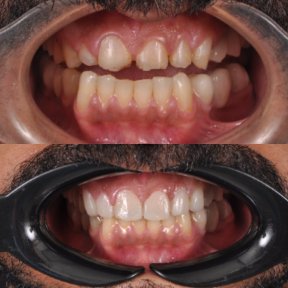
Consensus des patients : Les patients notent que les dentistes thaïlandais réputés affichent généralement leurs licences officielles du Conseil dentaire thaïlandais directement dans la clinique pour que les visiteurs puissent les voir. Beaucoup de gens suggèrent de demander des photos avant et après des travaux de couronnes précédents pour évaluer personnellement le style esthétique du dentiste. Ceux qui visitent des cliniques à Bangkok ou à Chiang Mai se sentent plus en confiance lorsqu'ils voient des certificats de formation continue en techniques de restauration.