Dr Theeracha Wuttiphan
Thaïlande, Bangkok
26 années d'expérience
La clinique est certifiée

Lieu : Thaïlande, Bangkok
Le Dr Theeracha Wuttiphan est chirurgien orthopédique à l'ID Clinic de Bangkok. Il est spécialisé dans la chirurgie arthroscopique du genou, la chirurgie de la colonne vertébrale et le remplacement articulaire. Le Dr Wuttiphan est un pionnier de l'utilisation de la thérapie par cellules souches pour l'arthrite et les douleurs articulaires chroniques. Il traite des pathologies complexes telles que la scoliose, les fractures de la hanche et la spondylarthrite ankylosante.
- Effectue des remplacements du genou et de la hanche et des réparations arthroscopiques du ménisque.
- Propose des injections de cellules souches pour l'arthrite, les maux de dos et les douleurs au genou.
- A exercé en tant que chirurgien de la colonne vertébrale à l'hôpital Rajavithi et au Poulo Memorial Hospital.
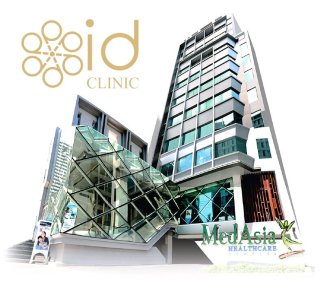
- Exerce à l'ID Clinic, qui maintient un taux de réussite de 95 % pour les traitements par cellules souches.
Prix du forfait à partir de
$5,200Prix du forfait à partir de$5,200