Vers la page d'accueil
4.6/5
TrustPilot

Les Meilleurs doctors pour le traitement de spondylarthrite ankylosante à Varsovie - TOP-2 des médecins

Comparez les meilleurs médecins Spondylarthrite ankylosante et les prix en Pologne. Trouvez votre meilleure correspondance ici.

Obtenez des devis de 3 meilleurs spécialistes en Pologne

Nous sélectionnons à la main les meilleurs médecins selon vos besoins et votre budget.

Meilleurs médecins

2

Pologne

Avis

14000+

De vrais patients

Obtenez gratuitement des plans de traitement personnalisés et choisissez la meilleure option. Sans engagement · Aucun paiement pour nos services

Carolina Hospital
Piotr Dudek

Piotr Dudek

12 années d'expérience
La clinique est certifiée
Certification according to DIN EN ISO 9001 by TÜV NORD CERT
FIFA Medical Center of Exellence
Patient choice in Orthopaedics
Lieu : Pologne, Varsovie
Clinique :
4.7
Carolina Hospital

Le Dr Piotr Dudek est spécialisé dans les traitements orthopédiques et rhumato-orthopédiques, avec une vaste formation acquise en Pologne et à l'étranger. Il se concentre sur les remplacements articulaires et les procédures de reconstruction.

  • Assistant senior à la clinique d'orthopédie et de rhumato-orthopédie depuis 2015
  • Assistant de recherche au Centre Médical d'Enseignement Postdoctoral
  • Auteur et co-auteur de nombreuses publications
  • Parle couramment polonais et anglais
Visite du médecinPrix sur demande
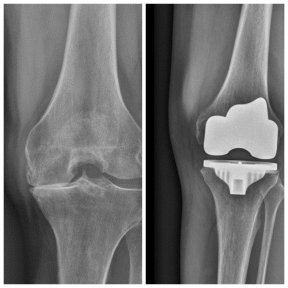
Résultats radiographiques avant/après prothèse du genou à Carolina Hospital, articulation améliorée
Andrzej Komor

Andrzej Komor

33 années d'expérience
La clinique est certifiée
Certification according to DIN EN ISO 9001 by TÜV NORD CERT
FIFA Medical Center of Exellence
Patient choice in Orthopaedics
Lieu : Pologne, Varsovie
Clinique :
4.7
Carolina Hospital

Spécialisé dans les traitements articulaires par cellules souches – le Dr Komor apporte des approches innovantes pour le soin de la spondylarthrite ankylosante au Carolina Hospital.

  • Chirurgien orthopédiste praticien depuis 1993
  • Lauréat de la bourse EFORT Traveling Fellowship
  • Formé à l'échelle internationale en Israël, aux États-Unis, en Espagne et en Autriche
  • Se concentre sur les chevilles, les pieds, les genoux et les épaules
Visite du médecinPrix sur demande

Choisir une clinique à l'étranger peut être stressant. Chez Bookimed, avec plus de 800 000 patients aidés, nous comprenons vos préoccupations. Nous savons comment trouver des médecins de confiance, les meilleures options qualité-prix, et des solutions pour les cas les plus complexes. Nous sommes là pour vous guider à chaque étape.

Yan Matsiivskiy

Responsable de l'équipe de coordination médicale

4300++ parcours patients accompagnés

3 années chez Bookimed

752 patients du Poland ont trouvé leur médecin grâce à nous ce mois-ci

Comment obtenir la meilleure correspondance avec un médecin

1

Quiz de 2 minutes

Indiquez-nous votre objectif, budget, délai

2

Appariement humain + IA

Notre algorithme trouve des correspondances, le coordinateur vérifie l'adéquation

3

Vos options prêtes

Comparez les prix, forfaits, dates. Discutez avec votre coordinateur

Trop de choix ?

Votre personnel Le coordinateur Bookimed vous aide à trouver le chirurgien idéal adapté à vos besoins

  • Vous accompagne à chaque étape, 24h/24 et 7j/7
  • Vous aide à trouver le bon médecin et gère toute la communication avec les cliniques
  • Coordonne vos déplacements, hébergement et transferts

Accompagnement de votre traitement

Coordinateurs médicaux personnels formés

Peguy Beaugris
Tetyana Hyrych
Zekra Eldeeb
Victoria Olayinka
Iryna Sydorchuk
Tetiana Ihnatiuk

Choisir le bon médecin et la bonne clinique : conseils d'initiés

Lors du choix d’un médecin ou d’une clinique, gardez ces points essentiels à l’esprit :
Vérifiez les qualifications
Vérifiez les certifications d’organismes tels que l’ISAPS, la JCI, etc.
Examinez les taux de réussite
Choisissez des médecins ayant une solide expérience dans votre traitement spécifique.
Lisez les avis des patients
Consultez les avis patients réels sur Bookimed pour découvrir leur expérience.
Assurer la communication efficace
Choisissez des cliniques offrant un support linguistique pour un traitement fluide.
Demander les services
Vérifiez si le prix comprend des services tels que l’hébergement, les transferts locaux et le suivi afin d’éviter les coûts cachés.

Bookimed Insights : Meilleurs spécialistes de spondylarthrite ankylosante en Pologne (2026)

Bookimed a coordonné 20 demandes pour le traitement de Spondylarthrite ankylosante en Pologne, en collaboration avec 2 spécialistes. Les médecins de ce tableau se distinguent régulièrement par leurs qualifications et leur expertise à répondre aux besoins spécifiques des patients. Toutes les informations proviennent de cas réels de patients et d'offres de traitement créées par nos cliniques partenaires.
ClassementMédecinexpérienceBon choix pourCe qui les distingueClinique et emplacementConsultation
#112 années d'expérienceRemplacements articulaires et procédures de reconstructionSpécialisé dans les prothèses du genou et de la hanche avec une formation internationale. Auteur de multiples publications orthopédiques.
Pologne
Prix sur demande
#233 années d'expérienceTraitements des articulations par cellules souchesPionnier des traitements par cellules souches pour les lésions articulaires – l'un des rares chirurgiens à proposer cette approche. Récipiendaire d'une bourse de l'EFORT disposant d'une formation internationale.
Pologne
Prix sur demande

FAQ

Ces FAQ sont basées sur les questions de patients réels cherchant des soins médicaux avec Bookimed. Les réponses sont fournies par des experts médicaux et des représentants de cliniques réputées.

What are the primary treatment options for ankylosing spondylitis in Poland?

Treatment for ankylosing spondylitis in Poland focuses on advanced biological therapy and intensive rehabilitation. Standard protocols utilize TNF inhibitors and IL-17 inhibitors alongside specialized kinesiotherapy. Facilities like Carolina Hospital and University Hospital in Krakow provide multidisciplinary care. These centers integrate orthopedic expertise with rheumatology programs.

  • Biological therapy: Access to adalimumab, etanercept, and secukinumab through specialized reimbursement programs.
  • Intensive rehabilitation: Lifelong kinesiotherapy and hydrotherapy are essential for maintaining spinal mobility.
  • Advanced diagnostics: Precise monitoring via MRI, spine X-rays, and HLA-B27 genetic testing.
  • Cryotherapy: Whole-body sessions reduce systemic inflammation and manage chronic spinal pain effectively.

Bookimed Expert Insight: Poland serves over 2,580 international patients annually, with a notable concentration of expertise in Warsaw and Rzeszow. Data from The Holy Family High Specialty Hospital shows it treats 4,000 patients yearly, highlighting its capacity for complex orthopedic rehabilitation. Choosing a clinic with ISO 9001:2015 certification ensures standardized quality in long-term disease management.

Patient Consensus: Patients note that private consultations significantly speed up the path to biological therapy. Many emphasize that daily movement and professional physiotherapy are just as vital as medication for managing flare-ups.

Are biological therapies available and reimbursed for international patients?

Biological therapies for ankylosing spondylitis are available for international patients in Poland. Public reimbursement through the National Health Fund (NFZ) generally requires residency or a Polish identification number (PESEL). Most international patients access these treatments privately at specialized orthopedic and rheumatology centers in Warsaw or Krakow.

  • Reimbursement eligibility: Public coverage typically requires residency or EU-based European Health Insurance Card (EHIC).
  • Private treatment cost: Biologic therapy costs in Poland range from approximately $9,000 to $16,000.
  • Clinical certifications: Major centers like Carolina Hospital hold ISO 9001:2015 quality management certifications.
  • Specialist expertise: Experts like Dr. Andrzej Komor have practiced internationally for over 30 years.

Bookimed Expert Insight: Poland offers a significant speed advantage for international patients seeking biological treatments. Large multidisciplinary centers like University Hospital in Krakow serve over 450,000 patients annually. This high volume allows for efficient diagnostic pipelines. Patients can often begin therapy within one week of their initial consultation. This is much faster than public health waitlists in many Western countries.

Patient Consensus: Patients note that private clinics in Poland provide much faster access to biologics than public systems. Many emphasize the importance of bringing your own MRI and blood test results to speed up the process even further.

Which hospitals or centres in Poland specialize in ankylosing spondylitis?

Poland offers specialized ankylosing spondylitis care through national research institutes and JCI-standard private clinics. Facilities like Carolina Hospital and University Hospital in Krakow provide advanced biological therapies. Diagnostic protocols include HLA-B27 testing, spine MRI, and specialized rheumatology consultations to ensure precise staging.

  • Specialized institutes: National Institute of Geriatrics and Rheumatology (NIGRiR) develops national spondyloarthropathy standards.
  • Biological therapy: University Hospital in Krakow features a dedicated Biological Therapy Center for AS.
  • Surgical expertise: Carolina Hospital is a FIFA Medical Centre of Excellence for complex spine surgery.
  • Rehabilitation focus: The Holy Family Hospital integrates advanced gait trainers into musculoskeletal recovery.

Bookimed Expert Insight: Patient volume often signals diagnostic reliability in complex cases. The University Hospital in Krakow serves over 455,000 patients annually. This massive scale suggests their rheumatology teams likely manage more rare AS complications than smaller private centers. For patients needing biological drug access, these high-volume academic centers are the primary entry point in Poland.

Patient Consensus: Patients often recommend obtaining private MRI and HLA-B27 tests to bypass long public waiting lists. Many note that while public queues for biologics can reach 12 months, starting with a private consultation can help speed up the qualification process.

How is disease activity monitored before and during treatment?

Monitoring ankylosing spondylitis in Poland starts with establishing a clinical baseline using MRI and HLA-B27 testing. Doctors then track treatment efficacy through inflammatory markers and standardized functional scores. Regular screenings for liver and kidney function ensure the safety of long-term biological or drug therapies.

  • Diagnostic imaging: MRI of the spine checks for bone marrow edema before starting biologics.
  • Inflammatory markers: C-reactive protein (CRP) and ESR tests are standard every 3 months.
  • Functional assessment: Specialists use BASDAI and BASFI scores to measure pain and mobility.
  • Treatment target: Polish protocols often require 20% BASDAI improvement within 12 weeks of therapy.

Bookimed Expert Insight: Clinical data from major Polish centers like Carolina Hospital or University Hospital in Krakow shows a high reliance on comprehensive diagnostics. Patients benefit from facilities that combine orthopedic expertise with advanced imaging like chest MRI and spine X-rays. Choosing a multidisciplinary hospital is vital because monitoring often requires coordination between rheumatologists and rehabilitation specialists to adjust biological therapy doses effectively.

Patient Consensus: Patients note that tracking morning stiffness and fatigue daily is essential for proving disease activity during residency reviews. Many recommend staying consistent with BASDAI self-assessments at every visit to ensure continued approval for biological treatments.

What does inpatient or spa rehabilitation include and how long is a typical program?

Inpatient rehabilitation in Poland provides 24/7 medical supervision and intensive therapy for 12 to 28 days. Programs typically include 3 to 5 hours of daily physical therapy, medication management, and specialized procedures. Spa rehabilitation focuses on balneotherapy using mineral waters and mud to reduce chronic inflammation.

  • Daily therapy: Patients receive 3 to 6 hours of supervised exercise and specialized treatments.
  • Medical monitoring: Inpatient stays include round-the-clock nursing care and regular physician consultations.
  • Balneotherapy: Health resorts use sulphur baths, radon waters, and mineral brines for relief.
  • Program duration: Standard intensive programs last 21 days to ensure measurable mobility improvements.

Bookimed Expert Insight: Poland's rehabilitation landscape is unique because it bridges the gap between clinical orthopedics and natural balneotherapy. Centers like The Holy Family High Specialty Hospital manage over 4,000 patients yearly with high-tech equipment. Meanwhile, health resorts like those in Ciechocinek use 35+ years of experience in mineral water treatments. Booking a clinic in a specialized spa region allows patients to combine advanced physiotherapy with natural anti-inflammatory baths. This dual approach often leads to better long-term remission for chronic spinal conditions.

Patient Consensus: Patients note that while 21-day programs are physically exhausting, the intensity is necessary for significant pain relief. Many suggest bringing supportive shoes for the 4+ hours of daily sessions and pacing yourself to avoid post-rehab flare-ups.

What investigations are done on arrival to confirm the diagnosis and choose treatment?

On arrival in Poland, clinicians confirm ankylosing spondylitis through physical exams and targeted imaging. Key investigations include sacroiliac joint X-rays and MRI for early bone marrow edema. Specialists perform HLA-B27 genetic testing and inflammatory marker analysis to determine if biological or stem cell therapies are suitable.

  • Clinical evaluation: Specialists like Dr. Andrzej Komor assess spinal mobility and joint tenderness.
  • Advanced imaging: Clinics like Carolina Hospital use X-rays and spine MRI for staging.
  • Laboratory panels: Tests include HLA-B27 screening, C-Reactive Protein (CRP), and erythrocyte sedimentation rate.
  • Specialist consultation: Orthopedists or rheumatologists review history to tailor biological or physiotherapy plans.

Bookimed Expert Insight: While many seek immediate scans, Polish centers like University Hospital in Krakow emphasize inflammatory markers first. Data shows that combining HLA-B27 results with MRI findings accelerates access to biological therapies. This dual-track approach helps specialists confirm the diagnosis even when standard X-rays appear normal.

Patient Consensus: Patients note it is important to bring a symptom diary and previous scans. They often find that private MRI access speeds up the start of specialized treatments.

What safety monitoring is required while on biologic therapy in Poland?

Safety monitoring for biologic therapy in Poland includes initial screenings for tuberculosis and viral hepatitis. Patients follow strict National Health Fund protocols with clinical evaluations every 6 months. Regular laboratory tests like complete blood counts and liver function monitoring ensure treatment safety and effectiveness for ankylosing spondylitis.

  • Initial screenings: Mandatory tests for tuberculosis and Hepatitis B/C before starting treatment.
  • Safety intervals: Evaluations occur at 2 and 4 months after the first dose.
  • Maintenance phase: Stable patients must undergo health assessments at least every 6 months.
  • Blood monitoring: Complete blood count and liver function tests are standard requirements.

Bookimed Expert Insight: Patients at multidisciplinary centers like University Hospital in Krakow benefit from extensive diagnostic resources. These large institutions treat over 450,000 patients yearly and provide the required extended blood analysis and specialized imaging. Choosing high-volume hospitals ensures all mandatory National Health Fund screenings are completed on-site without diagnostic delays.

Patient Consensus: Patients note it is important to track any infections and report fevers immediately to avoid serious complications. Many recommend scheduling blood tests proactively every 3 months to ensure continuous approval for the drug program.