Vers la page d'accueil
4.6/5
TrustPilot

Les Meilleurs doctors pour le traitement de sclérose en plaques au Mexique - TOP-3 des médecins

Comparez les meilleurs médecins Sclérose en plaques et les prix en Mexique. Trouvez votre meilleure correspondance ici.

Obtenez des devis de 3 meilleurs spécialistes en Mexique

Nous sélectionnons à la main les meilleurs médecins selon vos besoins et votre budget.

Meilleurs médecins

3

Mexique

Avis

14000+

De vrais patients

Obtenez gratuitement des plans de traitement personnalisés et choisissez la meilleure option. Sans engagement · Aucun paiement pour nos services

Montrer d'abord :

Hospital de la Familia
Dr Roberto Hernandez

Dr Roberto Hernandez

25 années d'expérience
La clinique est certifiée
Consejo de Salubridad General
Consejo Mexicano de Oftalmología
Lieu : Mexique, Mexicali

Formé aux États-Unis et au Canada, le Dr Roberto Hernandez fait partie d'une équipe de neurochirurgie qualifiée réalisant 30 à 60 chirurgies neurologiques par mois à l'Hospital de la Familia.

  • Se spécialiser dans les interventions neurochirurgicales avancées
  • Utiliser les dernières technologies dans les procédures chirurgicales
  • Travailler en collaboration avec un autre neurochirurgien formé à l'étranger
Prix du forfait à partir de$13,500
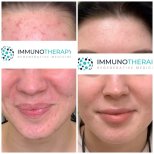
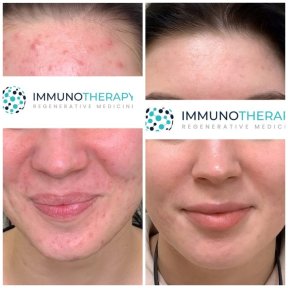
Avant/après resurfaçage laser chez Immunotherapy Regenerative Medicine, résultat cicatrices d’acné
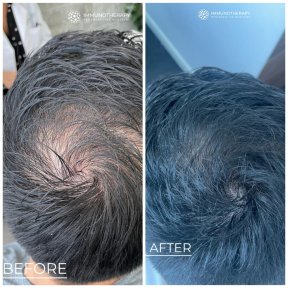
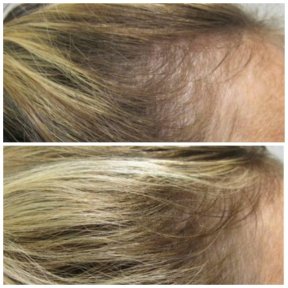
Résultats avant et après greffe de cheveux chez Immunotherapy Regenerative Medicine, densité accrue
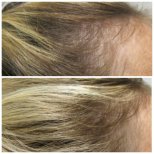
Résultats avant/après greffe de cheveux chez Immunotherapy Regenerative Medicine, ligne plus dense
Ernesto Romero

Ernesto Romero

5 Excellent1 avis
23 années d'expérience
La clinique est certifiée
Consejo de Salubridad General
Lieu : Mexique, Puerto Vallarta

Plus de 900 traitements effectués avec des cellules souches mésenchymateuses – Le Dr Romero est spécialisé en médecine régénérative pour les maladies auto-immunes chez Immunotherapy Regenerative Medicine.

  • 22 ans d'expérience clinique en médecine régénérative
  • Master en médecine régénérative de l'Universidad Catolica de Murcia
  • Fondateur de l'institut biotechnologique Bioplenum S.A de C.V
  • Chercheur clinique sur les protocoles pour la SLA, le lupus et d'autres maladies dégénératives
  • Représentant de HemoFenix France au Mexique et en Amérique latine
Visite du médecinPrix sur demande
Clinique du DR. IRERI ASTEINZA
Adolfo Leyva

Adolfo Leyva

33 années d'expérience
La clinique est certifiée
American College of Obstetricians and Gynecologists
Consejo Mexicano de Cirugía Plástica, Estética y Reconstructiva
Joint Commission International
+18
Lieu : Mexique, Mexico
Visite du médecinPrix sur demande
Choisir une clinique à l'étranger peut être stressant. Chez Bookimed, avec plus de 800 000 patients aidés, nous comprenons vos préoccupations. Nous savons comment trouver des médecins de confiance, les meilleures options qualité-prix, et des solutions pour les cas les plus complexes. Nous sommes là pour vous guider à chaque étape.

Yan Matsiivskiy

Responsable de l'équipe de coordination médicale

4300++ parcours patients accompagnés

3 années chez Bookimed

489 patients du Mexico ont trouvé leur médecin grâce à nous ce mois-ci

Comment obtenir la meilleure correspondance avec un médecin

1

Quiz de 2 minutes

Indiquez-nous votre objectif, budget, délai

2

Appariement humain + IA

Notre algorithme trouve des correspondances, le coordinateur vérifie l'adéquation

3

Vos options prêtes

Comparez les prix, forfaits, dates. Discutez avec votre coordinateur

Trop de choix ?

Votre personnel Le coordinateur Bookimed vous aide à trouver le chirurgien idéal adapté à vos besoins

  • Vous accompagne à chaque étape, 24h/24 et 7j/7
  • Vous aide à trouver le bon médecin et gère toute la communication avec les cliniques
  • Coordonne vos déplacements, hébergement et transferts

Accompagnement de votre traitement

Coordinateurs médicaux personnels formés

Peguy Beaugris
Tetyana Hyrych
Zekra Eldeeb
Victoria Olayinka
Iryna Sydorchuk
Tetiana Ihnatiuk

Choisir le bon médecin et la bonne clinique : conseils d'initiés

Lors du choix d’un médecin ou d’une clinique, gardez ces points essentiels à l’esprit :
Vérifiez les qualifications
Vérifiez les certifications d’organismes tels que l’ISAPS, la JCI, etc.
Examinez les taux de réussite
Choisissez des médecins ayant une solide expérience dans votre traitement spécifique.
Lisez les avis des patients
Consultez les avis patients réels sur Bookimed pour découvrir leur expérience.
Assurer la communication efficace
Choisissez des cliniques offrant un support linguistique pour un traitement fluide.
Demander les services
Vérifiez si le prix comprend des services tels que l’hébergement, les transferts locaux et le suivi afin d’éviter les coûts cachés.

Bookimed Insights : Meilleurs spécialistes de sclérose en plaques en Mexique (2026)

Bookimed a coordonné 15 demandes pour le traitement de Sclérose en plaques en Mexique, en collaboration avec 3 spécialistes. Les médecins de ce tableau se distinguent régulièrement par leurs qualifications et leur expertise à répondre aux besoins spécifiques des patients. Toutes les informations proviennent de cas réels de patients et d'offres de traitement créées par nos cliniques partenaires.
ClassementMédecinexpérienceBon choix pourCe qui les distingueClinique et emplacementConsultation
#125 années d'expérienceCas neurologiques complexesMembre d'une équipe de neurochirurgie effectuant 30 à 60 interventions neurologiques par mois, avec une formation internationale aux États-Unis et au Canada.
Mexique
de $80
#223 années d'expérienceMaladies dégénératives auto-immunesSpécialisé dans les traitements par cellules souches mésenchymateuses pour les maladies auto-immunes. Fondateur de l'institut Bioplenum et chercheur clinique bénéficiant de collaborations internationales.
Mexique
Prix sur demande

FAQ

Ces FAQ sont basées sur les questions de patients réels cherchant des soins médicaux avec Bookimed. Les réponses sont fournies par des experts médicaux et des représentants de cliniques réputées.

Is HSCT for multiple sclerosis in Mexico performed in accredited hospitals with internationally certified medical teams?

HSCT for multiple sclerosis in Mexico is performed in facilities with national and international accreditations. Leading centers maintain CSG accreditation from the General Health Council of Mexico. Medical teams often include specialists certified by the Mexican College of Stem Cells and Regenerative Medicine with international training.

  • Hospital certification: CSG accreditation ensures high quality and patient safety standards in Mexico.
  • Specialist credentials: Lead doctors often hold Master's degrees in Regenerative Medicine from European universities.
  • Regulatory oversight: Reputable clinics operate under COFEPRIS-certified labs, equivalent to FDA safety standards.
  • International training: Many neurologists and neurosurgeons complete advanced fellowships in the USA or Canada.

Bookimed Expert Insight: Data shows a high concentration of regenerative medicine expertise in Monterrey and Puerto Vallarta. While some centers like Immunotherapy Regenerative Medicine serve 1,200+ patients annually, smaller boutique hospitals like Hospital de la Familia offer high-volume neurosurgical experience with 30–60 procedures monthly. Patients should prioritize clinics where lead specialists, like Dr. Eduardo Fernandez, hold specific stem cell certifications from the Mexican College.

Patient Consensus: Patients emphasize verifying hospital credentials via official sites and requesting detailed team CVs. Reviews suggest focusing on clinics that offer clear communication and provide comprehensive checklists for HSCT outcomes.

What are the factual safety and efficacy data collected from previous international HSCT patients treated in Mexico?

Previous data on international cohorts in Mexico indicates a 100% overall survival rate at 128 months for multiple sclerosis patients. This outpatient-based protocol maintains high safety with a 99.83% survival rate within 30 days. Most patients stabilize or improve neurologically following the procedure.

  • Neurological response: Approximately 75% to 80% of patients show stabilized or improved disability scores.
  • Relapse prevention: Nearly 90% of international patients experience no clinical relapses after the transplant.
  • MRI evidence: Roughly 87.6% of treated patients show no new brain lesions on follow-up.
  • Outpatient safety: Records show 96-97% of cases complete the full protocol without hospital admission.

Bookimed Expert Insight: Mexican clinics like Immunotherapy Regenerative Medicine and Giostar serve over 5,000 international patients annually, reflecting a high-volume expertise rarely seen in European centers. While academic centers use intensive inpatient stays, the Mexican outpatient model relies on rapid recovery of blood counts within 8 days. Dr. Ernesto Romero's 20+ years of research in regenerative protocols suggests that early treatment before heavy immunosuppressant use yields the most consistent long-term stability.

Patient Consensus: Patients note that while the results are life-changing and often drop disability scores significantly, it is vital to budget for a private room to prevent infections like pneumonia. Many emphasize the importance of having local neurological support at home, as over half of traveling patients feel their hometown doctors are unfamiliar with these specific protocols.

Am I a suitable candidate for HSCT in Mexico?

Suitable candidates for HSCT in Mexico typically have active Relapsing-Remitting Multiple Sclerosis (RRMS) and remain ambulatory. Eligibility requires an Expanded Disability Status Scale (EDSS) score of 7.0 or less. Patients must demonstrate sufficient organ function. Evaluations require a recent MRI to confirm disease activity.

  • Mobility status: Candidates must walk 10 meters with or without assistance (EDSS under 7.0).
  • Disease type: Active inflammatory RRMS shows higher success than long-standing stable disability.
  • Organ health: Heart, lung, and liver function must tolerate intensive conditioning chemotherapy.
  • Medical imaging: A Brain and spinal MRI under 3 months old is mandatory.

Bookimed Expert Insight: While many search for HSCT, patients with lower disability scores often find better value in specialized regenerative protocols. Clinics like Immunotherapy Regenerative Medicine in Puerto Vallarta use mesenchymal stem cells for immunomodulation. This approach serves as a less intensive alternative for those not meeting the strict 70% rejection criteria of traditional HSCT centers.

Patient Consensus: Patients note that being under 50 with a recent diagnosis significantly improves the chances of being accepted. They emphasize having a US or EU specialist review MRI scans before paying non-refundable deposits for Mexican clinic evaluations.

What is the complete in-patient timeline for HSCT in Mexico?

The complete in-patient timeline for HSCT in Mexico typically spans 25 to 30 days. This intensive protocol includes mobilization, chemotherapy, and a critical recovery period. Patients undergo stem cell harvesting via apheresis. The reinfusion occurs on day 0 within specialized clinics in Monterrey or Clinica Ruiz.

  • Pre-treatment phase: Baseline testing and medical history review take 3 to 4 days.
  • Mobilization period: Injections move stem cells to the blood over 8 days before harvesting.
  • Chemotherapy rounds: Non-myeloablative chemotherapy occurs in two stages to inhibit the immune system.
  • Neutropenic phase: Patients stay in HEPA-filtered isolation for 10 to 14 days post-transplant.

Bookimed Expert Insight: Mexican protocols often condense the in-patient stay to under 30 days by utilizing outpatient mobilization options. Specialized centers like Immunotherapy Regenerative Medicine in Puerto Vallarta or those in Monterrey often handle high volumes, with some serving 4,000 to 5,000 patients annually. This high frequency allows medical teams to refine logistics, potentially shortening the timeline compared to the 6-week schedules common in Europe or the US.

Patient Consensus: Patients note the transplant day itself is a brief 60-minute procedure following the more intense chemotherapy days. Many suggest packing for 4 weeks of isolation and arranging nearby lodging for caregivers during the recovery window.

How is engraftment and disease monitoring handled after I return home?

Mexican neurology centers manage engraftment and multiple sclerosis monitoring through remote coordination with your home physician. Patients typically perform frequent blood tests locally to track neutrophil and platelet recovery. Regular brain MRI scans and neurological exams ensure the treatment effectively stabilizes the disease after your return.

  • Blood monitoring: Complete blood counts (CBC) occur 2–3 times weekly during the first month.
  • Engraftment tracking: Centers monitor absolute neutrophil counts (ANC) until they consistently exceed 500.
  • Neurological evaluation: Annual brain MRI scans with contrast help detect any new lesion activity.
  • Infection screening: Home PCR tests may be used to check for viral reactivation like EBV.

Bookimed Expert Insight: Data from high-volume centers like Immunotherapy Regenerative Medicine and Advanced Regenerative Center shows a shift toward digital-first follow-ups. Many Mexican specialists now use dedicated apps or secure messaging to review real-time lab results from abroad. This infrastructure allows over 1,200 annual patients at some clinics to transition safely to home care while maintaining expert oversight of their recovery milestones.

Patient Consensus: Patients note it is helpful to treat home recovery like a virtual ICU by sending lab reports via WhatsApp for immediate feedback. Many emphasize having a local hematologist ready before leaving Mexico to ensure blood draws start smoothly in week 2.

Which airports and adjacent accommodations are recommended for HSCT patients and companions?

Recommended airports for MSK treatment in Mexico include Cancun International Airport (CUN) and Monterrey International (MTY). Patients should select accommodations within 45 minutes of clinics like Giostar or Immunotherapy Regenerative Medicine. These hubs offer direct international flights and specialized medical transport to minimize travel fatigue.

  • Primary gateway: Cancun International Airport (CUN) minimizes travel stress for immunocompromised visitors.
  • Monterrey access: Monterrey International (MTY) serves advanced centers like Alivia and Stem Solutions.
  • Hospitality standards: Choose resorts like Occidental Tucancun for high hygiene and companion amenities.
  • Strategic proximity: Stay within 30 minutes of the clinic to reduce infection risks.

Bookimed Expert Insight: Data shows Monterrey and Cancun clinics like Hospital San Jose TecSalud and Giostar serve over 5,000 patients annually. These high-volume centers often cluster near airports with 60-minute transit times. For safety, avoid the Mexico City (MEX) hub to bypass high pollution and long 3-hour drives to suburban treatment sites.

Patient Consensus: Patients emphasize booking airport hotels like Courtyard by Marriott Cancun for the first night to acclimate. They note that all-inclusive resorts in Playa del Carmen are preferred for their sterility and integrated clinic shuttles.

What can I expect in terms of physical appearance changes post-treatment?

Physical appearance changes following multiple sclerosis treatment in Mexico are typically minor and temporary. Patients often experience short-term injection site bruising or facial puffiness from steroids. Most dermatological effects resolve within four weeks. Mexico-based protocols generally result in less cosmetic impact than intensive chemotherapy.

  • Injection sites: Minor bruising or small lumps may occur for 1-2 weeks.
  • Facial puffiness: Steroid use can cause temporary bloating, resolving within one month.
  • Hair changes: Significant hair loss is rare, though slight thinning may occur.
  • Skin condition: Reduced inflammation often leads to clearer skin or faded rashes.

Bookimed Expert Insight: Data from Mexican centers like Immunotherapy Regenerative Medicine shows a focus on mesenchymal stem cell protocols. These treatments avoid the aggressive hair loss typical of HSCT. Dr. Ernesto Romero and other specialists emphasize regenerative medicine. This approach often results in improved skin vitality rather than the severe toxicities seen in traditional immunosuppression.

Patient Consensus: Patients note that initial puffiness and bruising are easy to manage with hydration and light walks. Many recommend tracking weekly photos to notice positive skin improvements as MS symptoms stabilize.