Vers la page d'accueil
4.6/5
TrustPilot

Meilleurs médecins en tep/tdm en Chine — TOP 13

Comparez les meilleurs médecins TEP/TDM et les prix en Chine. Trouvez votre meilleure correspondance ici.

Obtenez des devis de 3 meilleurs spécialistes TEP/TDM en Chine

Nous sélectionnons à la main les meilleurs médecins selon vos besoins et votre budget.

Meilleurs médecins

13

Chine

Avis

14000+

De vrais patients

Obtenez gratuitement des plans de traitement personnalisés et choisissez la meilleure option. Sans engagement · Aucun paiement pour nos services

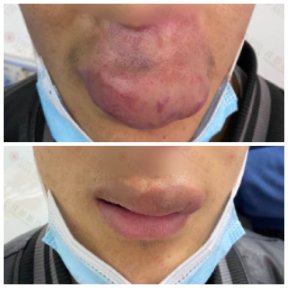
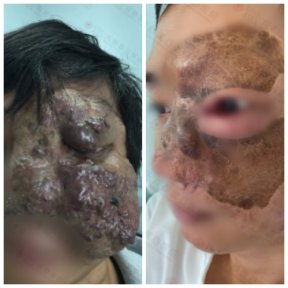
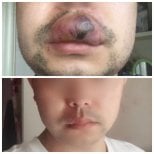
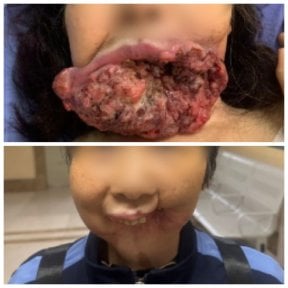
Résultats avant et après ablation d'une tumeur faciale – nette amélioration du bas du visage
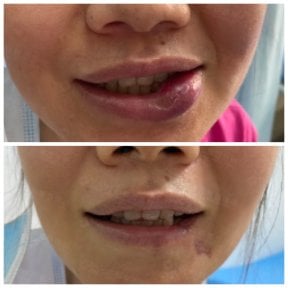
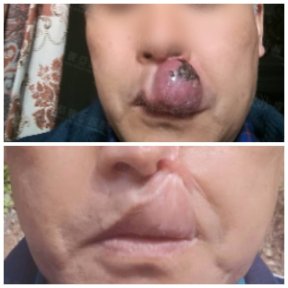
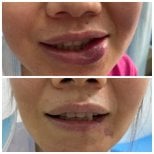
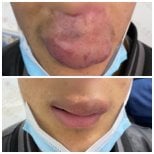
Résultats avant/après embolisation MAV – réduction du gonflement des lèvres et amélioration
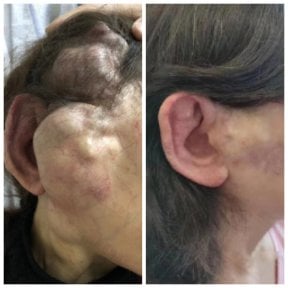
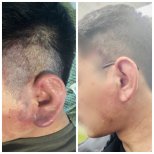
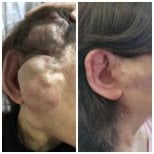
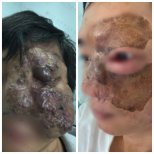
Résultats avant et après embolisation AVM, traitement malformation vasculaire oreille et joue
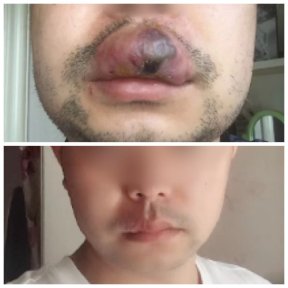
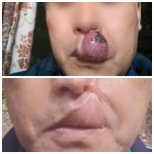
Résultats avant/après embolisation MAV – réduction du gonflement des lèvres et amélioration
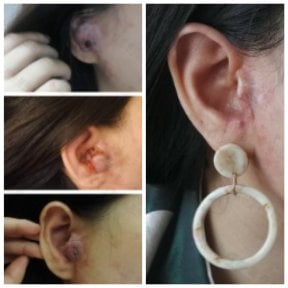
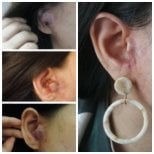
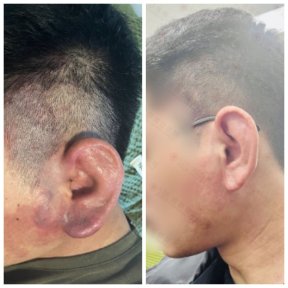
Résultats avant/après embolisation MAV : réduction du gonflement, contour de l’oreille amélioré
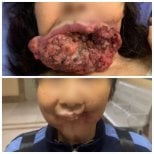
Résultats avant/après embolisation MAV – amélioration de l’apparence des lèvres
Résultats avant/après embolisation MAV – amélioration des lèvres et réduction du gonflement
Résultats avant/après embolisation MAV de l’oreille à Uni-asia Cancer hospital
Résultats avant et après embolisation AVM pour malformation vasculaire du visage

Liao Zhengyin

35 années d'expérience
+ de 100000 traitements effectués
Lieu : Chine, Chengdu

Médecin-chef et professeur. Expert de grade 1 au Centre de lutte contre le cancer, West China Hospital, Université du Sichuan (classé n° 2 en Chine). A terminé un stage postdoctoral en radiologie interventionnelle à l'Hôpital général de l'APL chinoise. Dirige les soins de l'équipe multidisciplinaire (MDT) pour les tumeurs complexes. Expert en oncologie interventionnelle mini-invasive pour les cancers du foie, du poumon et du pancréas.

Accréditations : Membre du conseil d'administration de la WATA. Membre des comités CACA et CMDA sur l'intervention, l'ablation, les grains radioactifs et la douleur. En 2023, membre directeur inaugural du Comité des soins palliatifs de l'Association médicale du Sichuan. Membre du comité de rédaction du Chinese Journal of Interventional Imaging and Therapy. Membre du comité de rédaction du Chinese Journal of Pain Medicine.

Dirige 2 projets provinciaux de science et technologie et 2 projets NSFC. A plus de 40 articles, dont plus de 30 en tant que premier auteur ou auteur correspondant. Facteur d'impact le plus élevé : 10,73. Cohorte de carcinome hépatocellulaire (CHC) : TACE + lenvatinib vs TACE + sorafénib. Survie globale (OS) 18,97 vs 10,77 mois. Survie sans progression (PFS) 10,6 vs 5,4 mois. Taux de réponse objective (ORR) 66,8 % vs 33,3 %.

Prix du forfait à partir de$3,000
Hôpital Jinshazhou de l'Université de médecine chinoise de Guangzhou

Zhang Yanjun

30 années d'expérience
La clinique est certifiée
Organisation of European Cancer Institutes Certificate
Lieu : Chine, Canton

Le Dr Zhang Yanjun est médecin-chef à l'hôpital Jinshazhou, spécialisée dans l'imagerie tumorale et la radio-oncologie. Elle apporte une expertise clinique de haut niveau dans les diagnostics TEP/TDM pour les cas de cancer complexes.

  • Formée en tant que chercheuse invitée dans deux hôpitaux de radiothérapie de premier plan aux États-Unis
  • A publié 46 articles universitaires sur le diagnostic des tumeurs dans des revues médicales internationales
  • Membre du groupe de radiothérapie des tumeurs du système nerveux central de l'Association médicale chinoise
  • Experte dans l'identification des tumeurs primaires et secondaires chez les enfants et les adultes
Prix du forfait à partir de$7,000
uni-asia hospital
Annonce

He Weibing

26 années d'expérience
Lieu : Chine, Chengdu

Le Dr He Weibing est un pionnier de la cryoablation argon-hélium en Chine avec plus de 20 ans de pratique clinique. Il a été membre fondateur de l'hôpital anticancéreux Fuda (Guangzhou). Il a cofondé son centre de traitement minimalement invasif des tumeurs et a occupé le poste de directeur exécutif adjoint. Il a également aidé à fonder le groupe d'ablation de l'Association chinoise contre le cancer. Il a été l'opérateur principal de plus de 10 000 interventions.

Il est spécialisé dans la cryoablation des tumeurs et maîtrise la curiethérapie par grains d'iode 125, avec un accent sur les cancers du foie et du poumon. Il a proposé dix techniques à l'argon-hélium. Les données clés dont il est co-auteur incluent : cryothérapie pulmonaire n=508 ; NSCLC n=120 (RC 25,5 %, RP 41,8 %, survie à 6/12/24 mois 64 %/55 %/36 %) ; cancer du pancréas n=38 (survie médiane de 12 mois). Il a siégé à des comités de rédaction en 2008 et 2010. Il est formateur national pour Varian et Boston Scientific depuis 2001.

Prix du forfait à partir de$1,310
uni-asia hospital

Luo Xiaoping

41 années d'expérience
Lieu : Chine, Chengdu

Le professeur Luo Xiaoping est un radiologue interventionnel reconnu au niveau national et une autorité de premier plan dans l'ouest de la Chine. Il a commencé à être pionnier dans les interventions vasculaires au début des années 1990. Il a aidé à fonder le groupe d'intervention au deuxième hôpital affilié de l'université médicale de Chongqing.

Il a réalisé plus de 100 000 procédures interventionnelles, dont environ 4 000 cas complexes. Ses compétences clés incluent le TACE pour le carcinome hépatocellulaire, les interventions pour le syndrome de Budd-Chiari, le TIPS et la pose de stents bilatéraux en une seule étape pour l'obstruction biliaire hilaire, avec des taux de réussite proches de 100 %. Il est superviseur de master depuis 2007. Il a formé de nombreux médecins, guidé des cas complexes dans plus de 40 grands hôpitaux de l'ouest de la Chine et aidé à mettre en place des programmes d'intervention. Il a publié 32 articles en tant que premier auteur ou auteur correspondant (22 dans le noyau CSCD, 4 dans le noyau chinois, 6 dans le CSCD étendu).

Prix du forfait à partir de$3,000
uni-asia hospital

Xiao Yueyong

35 années d'expérience
Lieu : Chine, Chengdu

Le professeur Xiao Yueyong est médecin-chef du département de diagnostic radiologique de l'hôpital général de l'Armée populaire de libération de Chine. Il est un expert de premier plan en oncologie interventionnelle mini-invasive. Il est le président inaugural de la WATA (depuis 2025). Il est président des sociétés internationale (depuis 2020) et asiatique (depuis 2012) de cryothérapie. Il est également chef adjoint du groupe d'experts de la NHC sur les réglementations relatives à l'ablation des tumeurs (depuis 2009).

Il a réalisé plus de 100 000 procédures mini-invasives guidées par scanner/IRM. Ses travaux portent sur l'ablation chimique, la RFA, la MWA, la cryoablation et le NanoKnife (IRE). Il a introduit et fait progresser l'ablation NanoKnife en Chine. Il a dirigé l'élaboration des premières normes nationales pour la cryoablation des tumeurs et le NanoKnife.

Parmi ses distinctions, citons le Prix national de la contribution spéciale (honorifique à vie). Il a reçu le premier prix de l'Association chinoise d'éducation médicale (2021). Il a reçu deux deuxièmes prix pour les réalisations en médecine militaire (2016, 2018) et deux deuxièmes prix de l'Association chinoise de lutte contre le cancer (2019, 2022). Il a été nommé maître de l'ablation asiatique. Son dossier de recherche comprend 13 brevets chinois. Il est chercheur principal pour quatre projets NSFC et un sujet MOST. Il a publié plus de 200 articles, dont plus de 110 en tant que premier auteur ou auteur correspondant et plus de 40 dans des revues SCI. Il a dirigé plus de 10 directives ou déclarations de consensus sur l'ablation.

Prix du forfait à partir de$3,000
Hôpital Xiamen Humanity

Liu Shi Xin

40 années d'expérience
Lieu : Chine, Xiamen

Le Dr Liu Shi Xin est vice-président de la branche de radio-oncologie de l'Association médicale chinoise. Il occupe le poste de chef de discipline du centre d'oncologie de l'hôpital Xiamen Humanity. Le Dr Liu est spécialisé dans la radiothérapie de précision pour les cancers thoraciques et abdominaux. Il est bénéficiaire de l'allocation gouvernementale spéciale du Conseil d'État pour ses contributions médicales.

  • Hautement qualifié en IMRT, VMAT et SBRT pour les cancers du poumon et de l'œsophage.
  • Ancien président de l'hôpital oncologique de la province de Jilin.
  • Récompensé par le titre de Médecin national célèbre pour ses contributions exceptionnelles à l'oncologie.
  • Occupe des postes de direction au sein du comité de thérapie par particules de l'Association chinoise contre le cancer.
Visite du médecinPrix sur demande
Hôpital Jinshazhou de l'Université de médecine chinoise de Guangzhou

Liuying

20 années d'expérience
La clinique est certifiée
Organisation of European Cancer Institutes Certificate
Lieu : Chine, Canton

Le Dr Liuying est directrice du service d'oncologie de l'hôpital Jinshazhou. Elle est spécialisée dans l'utilisation de l'imagerie TEP/TDM pour le diagnostic du cancer et la planification des traitements.

  • Contributrice au consensus national des experts pour l'ablation thermique des tumeurs pulmonaires
  • Experte dans l'identification du carcinome hépatocellulaire et du cancer du poumon par imagerie
  • Recherche publiée dans le Chinese Journal of Lung Cancer concernant le diagnostic des tumeurs
  • A compilé des manuels médicaux standardisés sur l'ablation par micro-ondes et les cas de tumeurs hépatiques
  • Membre de l'Association chinoise d'éducation médicale pour la curiethérapie
Prix du forfait à partir de$7,000
Hôpital Xiamen Humanity

lv Xiao Jun

36 années d'expérience
Lieu : Chine, Xiamen

Le Dr LV Xiao Jun est un expert national en psycho-oncologie. Il occupe le poste de directeur exécutif de l'oncologie médicale à l'hôpital Xiamen Humanity. Le Dr LV se concentre sur le traitement des cancers du poumon, du sein et gastro-intestinaux. Il intègre le dépistage de la détresse psychologique dans la thérapie tumorale.

  • Membre du Comité permanent de la branche de psycho-oncologie de l'Association chinoise contre le cancer.
  • Expert en gestion du cancer du poumon pour l'Association contre le cancer du Fujian.
  • Exerce dans un hôpital de niveau tertiaire traitant 1 000 000 de patients chaque année.
  • Traite les tumeurs solides en utilisant des méthodes complètes et des techniques de soins palliatifs.
Visite du médecinPrix sur demande
Hôpital Xiamen Humanity

Yan Zhi Ping

26 années d'expérience
Lieu : Chine, Xiamen

Le professeur Yan Zhi Ping dirige le département de radiologie du Xiamen Humanity Hospital. Il est spécialisé dans l'identification du cancer du poumon à un stade précoce et des tumeurs cérébrales grâce à la technologie TEP/TDM.

  • A publié plus de 30 articles universitaires sur l'imagerie et la précision diagnostique
  • A occupé le poste de vice-président de la Société de radiologie de Xiamen
  • Expert en diagnostic par scanner et IRM du système nerveux central
  • Lauréat de prix provinciaux pour ses avancées en science et technologie
  • Directeur adjoint du Centre de contrôle de la qualité en radiologie de Xiamen
Visite du médecinPrix sur demande
uni-asia hospital

Zhang Jinshan

41 années d'expérience
+ de 50000 traitements effectués
Lieu : Chine, Chengdu

Zhang Jinshan, male, China’s First M.D. in the Radiation Medicine, CCI (Chinese College of Interventionalists) Master Interventionalist, Director of the Department of Former Radiological Diagnosis at Chinese PLA General Hospital(No.3 in China) Ph.D. of Medicine, Nagasaki University, Japan.

1980–1985: Completed doctoral studies at Nagasaki University, Japan

1968–present: Department of Radiology, Chinese PLA General Hospital

1988: Third Prize of the Military Science and Technology Progress Award

1989–present: Member of Radiological Society of North America(RSNA)

1990–2009: Standing Committee Member of the Radiology and Therapeutic Radiology Committee of the PLA

1991: Second Prize of the Military Science and Technology Progress Award

1992–2008: Group Leader of the Group of Intervention of Chinese Journal of Radiology

1992–2015: Standing Editorial Board Member and Editorial Board Member of Journal of Interventional Radiology

1993: Granted the Lifetime Special Government Allowance of the State Council

1993–2012: Deputy Chief Editor of Chinese Journal of Medical Image Technology

1994: Third Prize of the Military Science and Technology Progress Award

1997: Second Prize of the Military Science and Technology Progress Award

1997–2009: Standing Member of Chinese Society of Radiology

1999: Third Prize of the Military Science and Technology Progress Award

1999–2010: Deputy Director Member of Chinese Society of Interventional Oncology

2002: Second Prize of the Military Science and Technology Progress Award

2005: Third Prize of the Military Science and Technology Progress Award

Member of Radiological Society of North America(RSNA)

Standing Member of Chinese Society of Radiology

Group Leader of the Group of Intervention of Chinese Journal of Radiology

Deputy Director Member of Chinese Society of Interventional Oncology

Director Member of Beijing Medical Association Society of Interventional Radiology

Deputy Chief Editor of Chinese Journal of Medical Image Technology

Standing Member of Professional Committee of Radiological Medicine of the Chinese People’s Liberation Army

Standing Editorial Board Member and Editorial Board Member of Journal of Interventional Radiology

Awarded the Special Government Allowance of the State Council

Awarded three Second Prizes and four Third Prizes for Military Science and Technology Progress.

Awarded the honorary title of “Chinese College of Interventionalists(CCI) Master Interventionalist”

Led multiple national and provincial/ministerial scientific research projects, including two projects funded by the National Natural Science Foundation of China and two projects funded by the Department of Science and Technology of Sichuan Province.

In the pioneering development of interventional medicine in China, Zhang Jinshan has been an indispensable founder and leading figure. As China’s first overseas-trained doctoral graduate in radiological medicine, he returned to China in the 1980s after completing his studies abroad and introduced cutting-edge international interventional technologies to the country. Over more than four decades of dedicated practice and research, he has helped propel Chinese interventional medicine from its infancy to a position at the forefront of the global field through his exceptional clinical expertise and profound academic accomplishments.
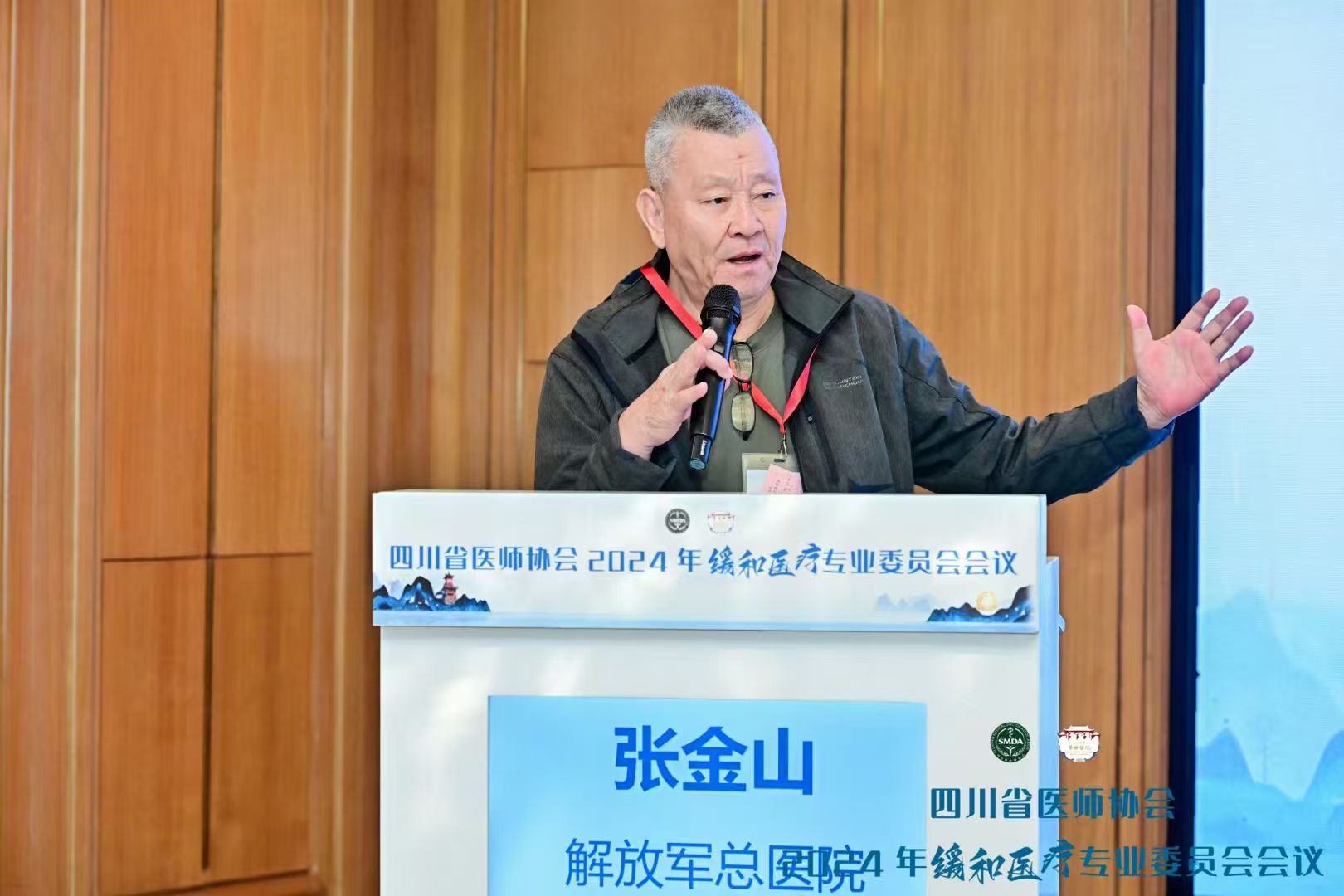
zhang-jin-shan

Professor Zhang Jinshan has long been dedicated to the field of medical imaging and has developed distinctive expertise in selective and superselective interventional diagnosis and treatment for solid tumors such as liver cancer, demonstrating exceptional technical proficiency and profound academic accomplishment. Beginning in the 1990s, he led his team in pioneering the clinical application and research of TIPSS and B-ORTO in China, filling major gaps in the domestic field and opening new paths for the interventional management of gastrointestinal bleeding caused by portal hypertension secondary to liver cirrhosis. In addition, he has made groundbreaking contributions to the interventional diagnosis and treatment of peripheral vascular diseases, as well as to preoperative embolization for spinal tumors.
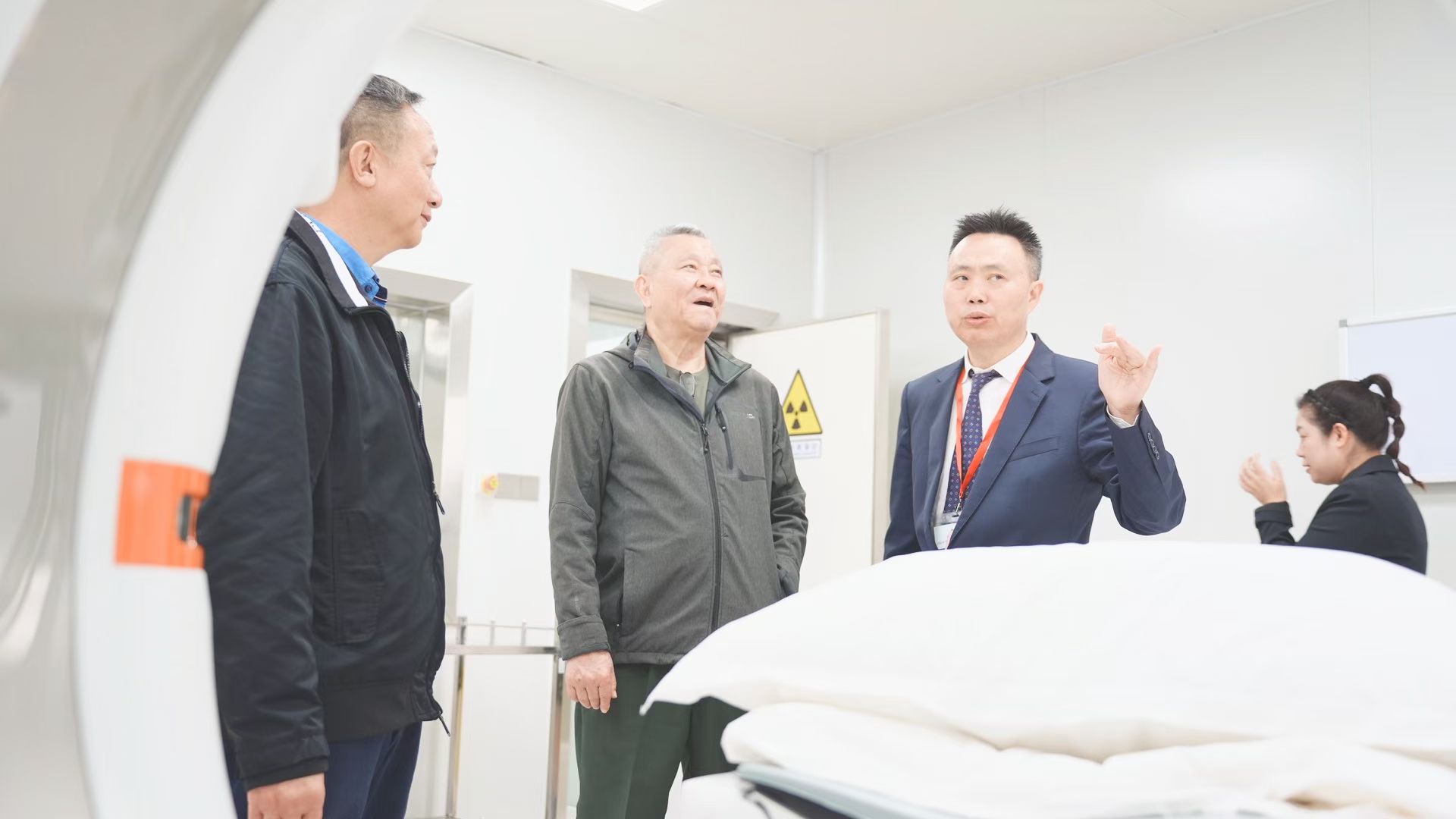
zhang-jin-shan

In the field of liver cancer treatment, Professor Zhang Jinshan not only led the development of standardized treatment protocols for liver cancer but also pioneered Transcatheter Arterial Chemoembolization with temporary Hepatic Vein Thrombosis (TACE-THVO) for primary liver cancer, bringing the efficacy of interventional therapy to a new level. In recognition of his outstanding clinical and scientific contributions, he was awarded the honorary title of “Chinese Master of Interventional Radiology” at the 2019 annual conference of the Chinese College of Interventionalists.
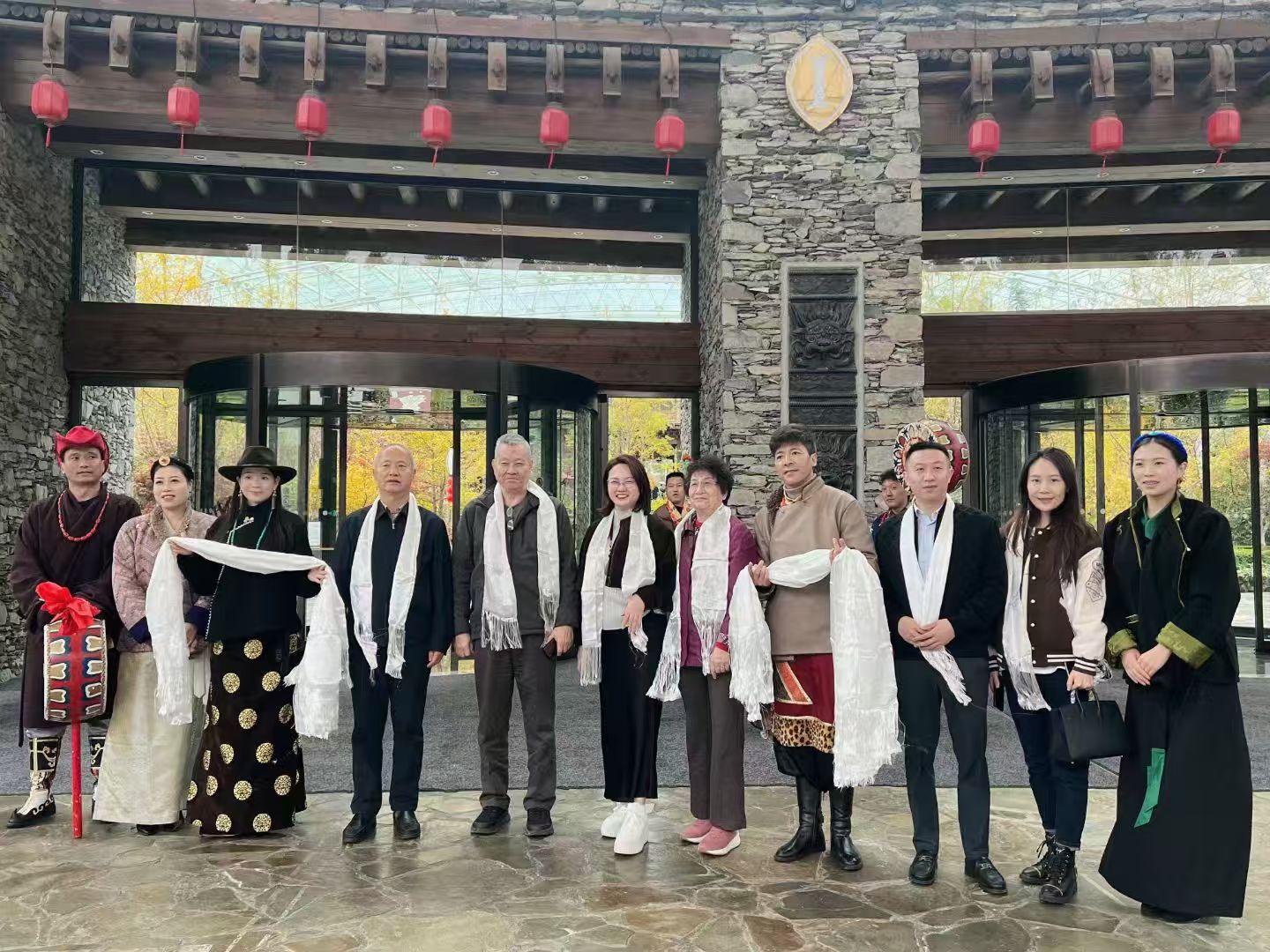
zhang-jin-shan

Professor Zhang Jinshan is not only a master clinician but also a driving force in the development of the discipline and a dedicated mentor in talent cultivation. He led his team in establishing one of China’s premier interventional therapy centers. As a doctoral supervisor, he has trained a large number of outstanding specialists and future leaders in interventional medicine, with many of his students and protégés now serving across the country. Academically, he has led multiple key national and military research projects, published more than 300 academic papers, and served as chief editor of three monographs, making remarkable contributions to the establishment of China’s academic framework for interventional medicine and the nationwide dissemination of its technologies.
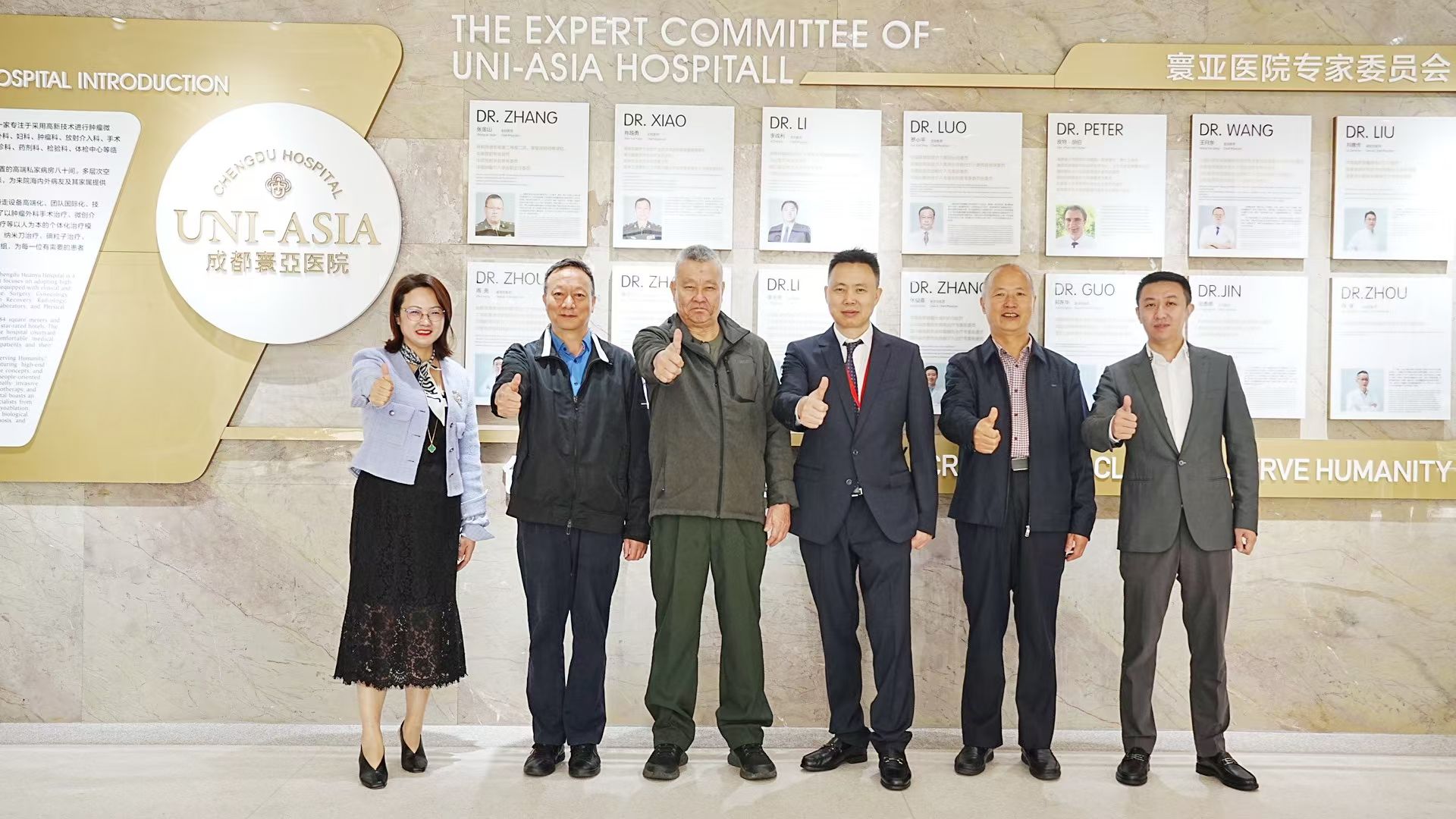
zhang-jin-shan

From the laboratory to the operating room, and from academic podiums to grassroots hospitals, Professor Zhang Jinshan has consistently upheld the principles of “pioneering, innovation, pragmatism, and compassion". He has devoted his life to fulfilling the mission of a physician—relieving patients’ suffering through minimally invasive techniques and advancing the discipline through academic excellence—thereby establishing himself as a truly towering figure and one of the foremost authorities in the field of interventional medicine in China.

Professor Zhang Jinshan’s Academic Achievements

Professor Zhang Jinshan has achieved prolific academic accomplishments, having published over 300 academic papers covering areas such as interventional therapy for liver cancer, minimally invasive treatment of portal hypertension, interventional treatment of vascular diseases, and tumor ablation.

Selected Publications by Professor Zhang Jinshan

1. Zhang Jinshan, Wang Maoqiang. Experiments and Clinical Studies of transjugular intrahepatic portosystemic stent shunt (TIPSS). Chinese Journal of Radiology, 1993,27(6):361-365.

Professor Zhang Jinshan is the first author. This is one of the early research papers in China that systematically elaborates on the TIPSS technique. Through animal experiments and clinical case analysis, it confirmed that TIPSS is a safe and effective minimally invasive method for treating portal hypertension and its complications, laying an important foundation for the promotion and application of this technique in China.

2.Zhang Jinshan, Li Huai. Clinical study on transcatheter arterial embolization with temporary hepatic vein occlusion for the treatment of primary liver cancer.Chinese Journal of Radiology, 1996,30(8):521-524.

Professor Zhang Jinshan is the first author. He innovatively proposed the technique of "transcatheter arterial embolization with temporary hepatic vein occlusion." Clinical results demonstrated that this method can significantly increase the drug concentration within liver cancer lesions, reduce damage to normal liver tissue, and effectively improve the therapeutic outcomes for intermediate and advanced liver cancer, providing a novel strategy for the interventional treatment of liver cancer.

3. Zhang Jinshan, Wang Maoqiang, Li Huai. Interventional treatment of Budd-Chiari syndrome. Chinese Journal of Medical Imaging Technology, 1998,14(3):189-191.

Professor Zhang Jinshan is the first author. This paper systematically summarizes the early experience in interventional treatment of Budd-Chiari syndrome in China, elaborating in detail on the key operational points and therapeutic efficacy of techniques such as percutaneous transluminal angioplasty and stent placement. It confirms that interventional therapy is the preferred minimally invasive method for Budd-Chiari syndrome, promoting the standardized development of treatment for this disease.

4.Zhang Jinshan, Li Huai, Wang Maoqiang. Clinical value of superselective hepatic arterial chemoembolization in the treatment of hypovascular liver cancer. Chinese Journal of Radiology, 2000,34(5):335-337.

Professor Zhang Jinshan is the first author. Addressing the challenges in interventional treatment of hypovascular liver cancer, this paper explores the clinical efficacy of superselective hepatic arterial chemoembolization. The results indicate that this technique can precisely target the lesions and improve the treatment response rate, providing an important clinical basis for the interventional treatment of hypovascular liver cancer.

5. Zhang Jinshan, Li Huai, Wang Maoqiang. Interventional treatment of peripheral vascular stenosis and occlusion.Chinese Journal of Radiology, 2002,36(7):612-614.

Professor Zhang Jinshan is the first author. This paper summarizes the interventional treatment experience of over 400 patients with peripheral vascular stenosis and occlusion, analyzing the indications and efficacy of techniques such as balloon angioplasty and stent placement. It confirms that interventional therapy is a safe and effective approach for peripheral vascular diseases, providing practical support for its clinical promotion.

6.Zhang Jinshan, Li Huai, Wang Maoqiang. Clinical application of CT-guided percutaneous puncture ablation in the treatment of abdominal tumors. Chinese Journal of Medical Imaging Technology, 2004,20(9):1395-1397.

Professor Zhang Jinshan is the first author. This paper explores the application value of CT-guided percutaneous puncture techniques such as radiofrequency ablation and chemical ablation in the treatment of abdominal tumors. The clinical results show that this method is minimally invasive with reliable efficacy, offering a minimally invasive treatment option for patients with inoperable abdominal tumors.

7.Zhang Jinshan, Wang Maoqiang, Li Huai. Advances in the application of interventional therapy for benign prostatic hyperplasia. Chinese Journal of Radiology, 2006,40(8):876-878.

Professor Zhang Jinshan is the corresponding author. This paper systematically reviews the cutting-edge advances in interventional therapy for benign prostatic hyperplasia, including the principles, procedures, and efficacy of techniques such as prostatic artery embolization and stent placement, providing new insights for the minimally invasive treatment of benign prostatic hyperplasia.

8.Zhang Jinshan, Li Huai, Wang Maoqiang. Discussion on the standardization of interventional therapy for liver cancer. Chinese Journal of Practical Surgery, 2008,28(10):856-858.

Professor Zhang Jinshan is the corresponding author. Drawing on years of clinical experience and research findings, he led the discussion on standardized protocols for interventional therapy of liver cancer, covering key aspects such as preoperative assessment, treatment modality selection, and postoperative management, providing important references for the formulation of clinical guidelines for interventional therapy of liver cancer in China.

Professor Zhang Jinshan co-authored monographs

1. Interventional Radiology (People's Military Medical Press, 1995): The first monograph in China to systematically discuss the theories and techniques of interventional radiology. It comprehensively elaborates on the interventional diagnosis and treatment system for tumors, vascular diseases, and non-vascular diseases, becoming a classic essential textbook for interventional physicians in China.

2.Interventional Therapy for Liver Cancer (People's Health Press, 2001): Focusing on minimally invasive interventions for liver cancer, this book systematically summarizes techniques such as TACE, ablation, and vascular intervention, refines operational standards and the prevention and management of complications, and promotes the standardization of interventional therapy for liver cancer.

3.Interventional Treatment of Portal Hypertension (Science Press, 2005): This book systematically elaborates on minimally invasive techniques for portal hypertension, such as TIPSS and B-ORTO, covering experimental research, clinical procedures, long-term follow-up, and efficacy evaluation, filling the gap in monographs on interventional treatment of portal hypertension in China.

Professor Zhang Jinshan’s Research project

1.The National "Eighth Five-Year Plan" Scientific and Technological Key Project—Clinical and Basic Research on Comprehensive Interventional Therapy for Liver Cancer (Project Leader): This project systematically explored multimodal interventional strategies for liver cancer, established the core regimen of superselective TACE combined with local ablation, and significantly improved the therapeutic outcomes for intermediate and advanced liver cancer.

2.The Military "Ninth Five-Year Plan" Key Medical Scientific Research Project—Standardized Research on TIPSS for the Treatment of Portal Hypertension (Project Leader): This project formulated China's first operational standards and postoperative management guidelines for TIPSS, reduced the incidence of complications, and promoted the popularization of this technique throughout the military and across the country.

3.National Natural Science Foundation of China Project — Research on the Mechanism of Targeted Therapy for Liver Cancer Using Hepatic Vein Occlusion Combined with Chemoembolization (Project Leader): This project revealed the synergistic enhancement mechanisms of the innovative technique at the levels of hemodynamics, drug metabolism, and the tumor microenvironment, providing theoretical support for precision interventional therapy of liver cancer.

4.Military Clinical High-Tech Major Project-Establishment and Clinical Application of the Interventional Treatment Technology System for Complex Vascular Diseases (Project Leader): This project overcame interventional challenges in complex lesions such as Budd-Chiari syndrome, peripheral vascular occlusion, and vascular malformations, forming a complete technical system that has been promoted and applied widely.
Prix du forfait à partir de$3,000
Sun Yat-sen University Cancer Center (SYSUCC)

Li Yizhuo

La clinique est certifiée
European Society for Medical Oncology
Joint Commission International
Fellow, American College of Surgeons
Lieu : Chine, Canton
Li Zhang est spécialiste au Centre de lutte contre le cancer de l'Université Sun Yat-sen, où il est professeur, directeur de thèse et directeur adjoint de l'Institut de recherche sur le cancer du poumon. Avec plus de 40 ans d'expérience en oncologie médicale au sein du centre, il dirige des recherches en oncologie de précision et en développement de médicaments pour le cancer du poumon et le carcinome nasopharyngé (NPC), y compris des essais de phase I à III pour les ADC, les anticorps bispécifiques et les immunothérapies. Ses recherches sur les soins de support incluent la gestion de la douleur cancéreuse et la prévention des nausées induites par la chimiothérapie.
Visite du médecinPrix sur demande

Choisir une clinique à l'étranger peut être stressant. Chez Bookimed, avec plus de 800 000 patients aidés, nous comprenons vos préoccupations. Nous savons comment trouver des médecins de confiance, les meilleures options qualité-prix, et des solutions pour les cas les plus complexes. Nous sommes là pour vous guider à chaque étape.

Yan Matsiivskiy

Responsable de l'équipe de coordination médicale

4300++ parcours patients accompagnés

3 années chez Bookimed

22 patients du China ont trouvé leur médecin grâce à nous ce mois-ci

Comment obtenir la meilleure correspondance avec un médecin

1

Quiz de 2 minutes

Indiquez-nous votre objectif, budget, délai

2

Appariement humain + IA

Notre algorithme trouve des correspondances, le coordinateur vérifie l'adéquation

3

Vos options prêtes

Comparez les prix, forfaits, dates. Discutez avec votre coordinateur

Trop de choix ?

Votre personnel Le coordinateur Bookimed vous aide à trouver le chirurgien idéal adapté à vos besoins

  • Vous accompagne à chaque étape, 24h/24 et 7j/7
  • Vous aide à trouver le bon médecin et gère toute la communication avec les cliniques
  • Coordonne vos déplacements, hébergement et transferts

Accompagnement de votre traitement

Coordinateurs médicaux personnels formés

Peguy Beaugris
Tetyana Hyrych
Zekra Eldeeb
Victoria Olayinka
Iryna Sydorchuk
Tetiana Ihnatiuk

Choisir le bon médecin et la bonne clinique : conseils d'initiés

Lors du choix d’un médecin ou d’une clinique, gardez ces points essentiels à l’esprit :
Vérifiez les qualifications
Vérifiez les certifications d’organismes tels que l’ISAPS, la JCI, etc.
Examinez les taux de réussite
Choisissez des médecins ayant une solide expérience dans votre traitement spécifique.
Lisez les avis des patients
Consultez les avis patients réels sur Bookimed pour découvrir leur expérience.
Assurer la communication efficace
Choisissez des cliniques offrant un support linguistique pour un traitement fluide.
Demander les services
Vérifiez si le prix comprend des services tels que l’hébergement, les transferts locaux et le suivi afin d’éviter les coûts cachés.

Bookimed Insights : Meilleurs spécialistes de tep/tdm en Chine (2026)

Bookimed a coordonné 1200 demandes pour le tep/tdm en Chine, en collaboration avec 13 spécialistes. Les médecins de ce tableau se distinguent régulièrement par leurs qualifications et leur expertise à répondre aux besoins spécifiques des patients. Toutes les informations proviennent de cas réels de patients et d'offres de traitement créées par nos cliniques partenaires.
ClassementMédecinexpérienceBon choix pourCe qui les distingueClinique et emplacementConsultation
#130 années d'expérienceImagerie oncologique TEP/TDM pour la stadification des tumeursMédecin-chef avec une formation avancée dans des centres de cancérologie de premier plan aux États-Unis. Experte en imagerie des tumeurs du système nerveux central et digestif. A publié 46 articles sur la précision diagnostique et le traitement des tumeurs.
Chine
Prix sur demande
#220 années d'expérienceImagerie oncologique TEP/TDM pour la stadification du cancer du poumon et du foieDirectrice d'oncologie avec une expertise en ablation de tumeurs. Elle a contribué aux directives nationales de consensus médical. Son travail se concentre notamment sur l'identification des métastases dans les cas de mélanome et de cancer colorectal.
Chine
Prix sur demande
#326 années d'expérienceDétection du cancer du poumon à un stade précoce et des tumeurs cérébralesDirecteur de la radiologie au Xiamen Humanity Hospital. Il est spécialisé en neuro-oncologie et en imagerie thoracique. Il occupe des postes de direction au sein de sociétés de radiologie provinciales et est l'auteur de nombreuses monographies professionnelles.
Chine
Prix sur demande