En tant que plateforme mondiale de tourisme médical de premier plan, nous avons une immense responsabilité envers nos clients — tant les patients que les centres médicaux. Toutes les informations fournies sur Bookimed.com sont fondées sur des recherches, une vision prospective et une expertise, répondent à un intérêt élevé lié au produit et respectent les points suivants :
Bookimed.com propose une liste des meilleures cliniques et des meilleurs médecins pratiquant l'extrusion orthodontique en Pologne, basée sur un système de classement automatique intelligent. Ce système de classement s'appuie sur les évaluations réelles des patients de Bookimed afin de fournir les informations les plus objectives et transparentes sur les cliniques et les services médicaux proposés.
Notre data scientist expérimenté collecte quotidiennement des données, surveille et optimise le système de classement en utilisant l'apprentissage automatique et l'intelligence artificielle pour garantir que le système de classement est à jour et fournit des résultats précis.
Nous recueillons les avis des clients de Bookimed uniquement après qu'ils aient eu une expérience médicale avec la clinique pour une extrusion orthodontique en Pologne — afin que chacun sur la plateforme puisse faire confiance à l'établissement qu'il choisit. Nous nous efforçons de rendre le contenu de notre plateforme aussi utile que possible et de garantir la liberté d'exprimer des opinions critiques. Ainsi, nous publions des avis positifs et négatifs, dans le but d'être une source de prise de décision éclairée pour nos futurs clients.
Sujets avec des niveaux élevés d'expertise, d'autorité et de fiabilité
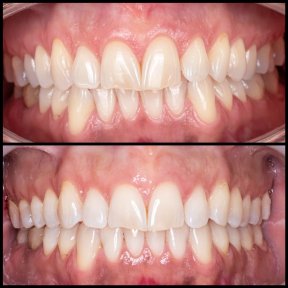
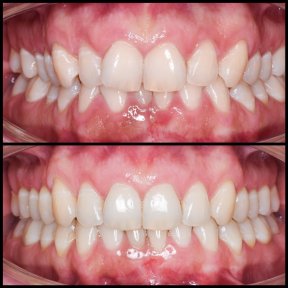
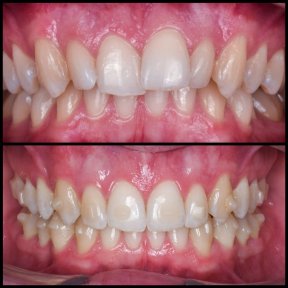
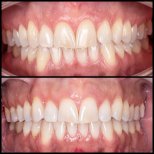
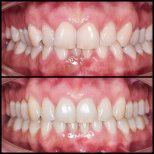
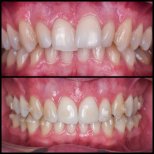
Sur Bookimed.com, vous pouvez trouver le choix et la commodité pour découvrir les meilleures solutions médicales auprès des meilleurs prestataires de services médicaux, le tout en un seul endroit, et souvent à des prix compétitifs. Afin de garantir la diffusion des informations les plus récentes, les représentants des cliniques mettent eux-mêmes à jour les CV des médecins, les capacités des cliniques, les photos avant-après, les prix, les forfaits et les offres spéciales dans les plus brefs délais. Vous pouvez rencontrer le représentant de la clinique et vérifier la date de mise à jour du contenu sur la page de chaque clinique pour vous assurer de sa fiabilité.
Notre blog et nos articles de soutien sont créés par des auteurs professionnels ayant au moins 3 ans d'expérience dans la rédaction médicale et édités par des spécialistes médicaux possédant une expertise clinique et de recherche pertinente — tous soigneusement recrutés au sein de l'équipe. Nous nous efforçons d'améliorer l'accès des patients aux informations de santé, en les rendant expertes mais faciles à comprendre. Tous les articles respectent les directives éditoriales de Bookimed.
Valeurs de Bookimed
Nous sommes faits par des gens et pour des gens — et c'est notre valeur fondamentale. C'est pourquoi toutes les données présentées sur la plateforme sont collectées, éditées, examinées et mises à jour régulièrement par nos patients, nos cliniques partenaires et notre équipe, y compris le comité consultatif médical de Bookimed, qui se compose de médecins de renommée mondiale ayant plus de 20 ans d'expertise pratique et une réputation positive. Apprenez-en plus sur nous et notre mission.
Si vous trouvez une erreur ou si vous avez des questions sur les informations présentées sur Bookimed.com, n'hésitez pas à nous contacter à marketing@bookimed.com.