Abubekir Akpinar
- 4.9 Excellent • 59 avis
- 10 années d'expérience
- Turquie, Istanbul, Valued Med Hub Hospitals
Ovariectomie
$2,500 - $4,500
Mastectomie
$1,310 - $1,640
Opération de Wertheim-Meigs
$24,800 - $34,450
Le Dr Tural Rajabov est neurochirurgien. Il traite les tumeurs du cerveau et de la moelle épinière, les traumatismes du SNC et l'hydrocéphalie. Il pratique également la chirurgie endoscopique de la base du crâne, la chirurgie de la colonne vertébrale et la chirurgie des nerfs périphériques.
Formation : Université médicale d'État de Tbilissi, Faculté de médecine (2010–2016). Internat en neurochirurgie, Innova Medical Centre, Tbilissi (2016–2018). Résidence en neurochirurgie, Université médicale d'Azerbaïdjan (2019–2024).
Affiliations professionnelles : North American Skull Base Society (NASBS), European Association of Neurosurgical Societies (EANS) et l'Association des neurochirurgiens d'Azerbaïdjan (ANEA). Il est affilié au Baku Medical Plaza Hospital à Bakou, en Azerbaïdjan.
Le Dr Viola Fox est médecin-chef à la Clinique d'oncologie de Solingen. Elle est une experte de premier plan en thérapie médicamenteuse des tumeurs en Allemagne et en Europe. Le Dr Fox possède une qualification en génétique spécialisée et mène des recherches en biologie moléculaire. Elle traite des cas complexes dans un centre de cancérologie interdisciplinaire certifié.
Le Dr Marcel Dihne est médecin-chef en neurologie à l'hôpital universitaire de Solingen. Il est lauréat du prix de recherche de la Fondation Christian et Claudia Hempel. Le Dr Dihne est spécialisé dans l'épilepsie, le traitement des accidents vasculaires cérébraux et la régénération du système nerveux. Il est l'auteur de nombreuses publications dans des revues médicales européennes de premier plan.
Le Dr Ibrahim Bayar Cinar est chirurgien cardiovasculaire à l'hôpital Medical Park Bahcelievler d'Istanbul. Il est spécialisé dans le traitement du prolapsus de la valve mitrale et de l'insuffisance aortique. Le Dr Cinar a effectué un stage clinique au Centre cardiaque de l'Université d'Ottawa au Canada. Il est membre de la Société européenne de chirurgie cardiovasculaire et de chirurgie vasculaire.
Le Dr Fatma Gulhan Sahbaz est neurologue à l'hôpital international Medicalpoint d'Izmir. Elle est ancienne chef de clinique à l'hôpital d'État d'Afyonkarahisar. Le Dr Sahbaz se spécialise dans les troubles du mouvement, l'intervention en cas d'AVC et l'épilepsie. Elle traite des maladies neurodégénératives complexes telles que la maladie d'Alzheimer et la SLA.
Le Dr Evren Sandal est neurochirurgien à l'hôpital international Medicalpoint d'Izmir. Il est spécialisé dans la chirurgie de la base du crâne, la neurochirurgie vasculaire et la chirurgie de la jonction crânio-cervicale. Le Dr Sandal a effectué des recherches approfondies sur la chirurgie du pontage cérébral à l'Université du Wisconsin, aux États-Unis. Il traite des pathologies complexes, notamment les tumeurs cérébrales, la sténose spinale et les kystes cérébraux.
Le Dr Ali Osman Mucuoglu est neurochirurgien à l'hôpital universitaire Atlas d'Istanbul. Il est spécialisé dans l'ablation des tumeurs cérébrales et la chirurgie mini-invasive des hémorragies intracérébrales. Le Dr Mucuoglu a utilisé la technologie d'impression 3D pour l'hypophysectomie transsphénoïdale assistée. Il est membre de l'Association européenne des sociétés de neurochirurgie.
Le Dr Jesus Romero Imbroda est neurologue à Quirónsalud Marbella. Il est membre du Conseil européen de neurologie (Fellow of the European Board of Neurology). Le Dr Romero Imbroda est membre de l'Académie royale de médecine. Il se concentre sur la recherche sur la sclérose en plaques et les troubles neuromusculaires complexes. Le médecin enseigne également à l'Université de Grenade.
Le médecin est un neurologue distingué et l'investigateur principal de 100 essais cliniques, avec une spécialisation dans la sclérose en plaques, la maladie de Parkinson, la maladie d'Alzheimer et la sclérose latérale amyotrophique. Le spécialiste utilise des interventions thérapeutiques avancées, notamment la plasmaphérèse et des technologies de neurorééducation comme l'exosquelette.
Avec une carrière couvrant des rôles de direction en tant que chef de neurologie dans de grands hôpitaux universitaires, le médecin détient une accréditation en tant que professeur de sciences médicales. Chercheur accompli, le spécialiste a écrit plus de 400 travaux scientifiques, dont 139 articles internationaux cités plus de 4 500 fois, et a dirigé de nombreux projets de recherche financés par l'Institut de santé Carlos III.
Le Dr Mehmet Hakan Şahin est neurochirurgien au sein de l'hôpital de l'université Atlas (en 2026). Il est spécialisé en neuro-oncologie et en neurochirurgie vasculaire. Il pratique également la chirurgie de la base du crâne, la chirurgie crânienne complexe et la chirurgie de la colonne vertébrale. Il a été professeur adjoint à l'université Atatürk (2019–2024). Il a exercé au sein d'UW Health (2024–2025).
Il est l'auteur de 29 articles internationaux évalués par des pairs et de 11 articles nationaux. Il a rédigé 5 chapitres de manuels. Il a donné 7 présentations orales, notamment lors de l'AANS 2025 et lors d'un panel de 2024 sur la résection supratotale des gliomes. Parmi ses distinctions figurent le prix d'encouragement aux jeunes neurochirurgiens de l'Association turque de neurochirurgie (deuxième prix, 2024) et le premier prix de la 1re Académie de microneurochirurgie Yaşargil. Il est titulaire du certificat de qualification en neurochirurgie turc (2023). Il est membre de l'Association turque de neurochirurgie depuis 2017 (n° 1620).
Le Dr Halil Can est professeur de neurochirurgie à l'hôpital İstinye University Liv de Topkapı. Il est spécialisé dans la chirurgie endoscopique et microchirurgicale de la colonne vertébrale pour les tumeurs et les maladies dégénératives. Le Dr Can est l'auteur de 21 publications internationales évaluées par des pairs. Il réalise des procédures complexes, notamment la chirurgie endoscopique de la base du crâne et de l'hypophyse.
Le Dr Muhammed Mustafa Atci est professeur associé en oncologie médicale au Liv Hospital Topkapı. Il est spécialisé dans le traitement des cancers du côlon, du sein, de l'estomac et du poumon. Il a précédemment occupé le poste de coordinateur de l'éducation à l'hôpital municipal Prof. Dr. Cemil Taşcıoğlu. Le Dr Atci est membre de l'American Society of Clinical Oncology (ASCO).
Le Dr Irfan Cicin est professeur d'oncologie médicale à l'hôpital İstinye University Liv Topkapı. Il est spécialisé dans le traitement des cancers complexes, notamment le glioblastome, le cancer du poumon et les tumeurs pancréatiques. Il est professeur à la faculté de médecine de l'université de Trakya. Le Dr Cicin a précédemment servi comme médecin dans l'armée de l'air turque.
Jose Cohen dirige les efforts neurochirurgicaux au Hadassah Medical Center. Il effectue des biopsies cérébrales et des angiographies spécialisées pour un diagnostic neurologique précis.
Le Dr Yaacov Lawrence est chef du service de radio-oncologie au centre médical Sheba. Il est spécialisé dans la radiothérapie de précision et la neuro-oncologie. Le Dr Lawrence a été un pionnier de la radiochirurgie du plexus cœliaque pour la gestion de la douleur liée au cancer du pancréas. Il détient le titre de FASTRO, l'une des plus hautes distinctions dans sa spécialité.
Le Dr Anton Wohl est directeur de l'unité des tumeurs cérébrales au centre médical Sheba. Il est spécialisé en neuro-oncologie et en chirurgie complexe des tumeurs cérébrales. Il a effectué des stages à la Mayo Clinic aux États-Unis. Le Dr Wohl travaille dans un hôpital classé 7e au niveau mondial par Newsweek en 2026. Il se concentre sur l'ablation des tumeurs tout en préservant les fonctions neurologiques.
Le Dr Andry Key dirige le département de neurochirurgie du Hadassah Medical Center. Il a reçu la médaille d'honneur de la Fédération internationale des sociétés de neurochirurgie pour ses contributions médicales.
Zhang Jinshan, male, China’s First M.D. in the Radiation Medicine, CCI (Chinese College of Interventionalists) Master Interventionalist, Director of the Department of Former Radiological Diagnosis at Chinese PLA General Hospital(No.3 in China) Ph.D. of Medicine, Nagasaki University, Japan.
1980–1985: Completed doctoral studies at Nagasaki University, Japan
1968–present: Department of Radiology, Chinese PLA General Hospital
1988: Third Prize of the Military Science and Technology Progress Award
1989–present: Member of Radiological Society of North America(RSNA)
1990–2009: Standing Committee Member of the Radiology and Therapeutic Radiology Committee of the PLA
1991: Second Prize of the Military Science and Technology Progress Award
1992–2008: Group Leader of the Group of Intervention of Chinese Journal of Radiology
1992–2015: Standing Editorial Board Member and Editorial Board Member of Journal of Interventional Radiology
1993: Granted the Lifetime Special Government Allowance of the State Council
1993–2012: Deputy Chief Editor of Chinese Journal of Medical Image Technology
1994: Third Prize of the Military Science and Technology Progress Award
1997: Second Prize of the Military Science and Technology Progress Award
1997–2009: Standing Member of Chinese Society of Radiology
1999: Third Prize of the Military Science and Technology Progress Award
1999–2010: Deputy Director Member of Chinese Society of Interventional Oncology
2002: Second Prize of the Military Science and Technology Progress Award
2005: Third Prize of the Military Science and Technology Progress Award
Member of Radiological Society of North America(RSNA)
Standing Member of Chinese Society of Radiology
Group Leader of the Group of Intervention of Chinese Journal of Radiology
Deputy Director Member of Chinese Society of Interventional Oncology
Director Member of Beijing Medical Association Society of Interventional Radiology
Deputy Chief Editor of Chinese Journal of Medical Image Technology
Standing Member of Professional Committee of Radiological Medicine of the Chinese People’s Liberation Army
Standing Editorial Board Member and Editorial Board Member of Journal of Interventional Radiology
Awarded the Special Government Allowance of the State Council
Awarded three Second Prizes and four Third Prizes for Military Science and Technology Progress.
Awarded the honorary title of “Chinese College of Interventionalists(CCI) Master Interventionalist”
Led multiple national and provincial/ministerial scientific research projects, including two projects funded by the National Natural Science Foundation of China and two projects funded by the Department of Science and Technology of Sichuan Province.
In the pioneering development of interventional medicine in China, Zhang Jinshan has been an indispensable founder and leading figure. As China’s first overseas-trained doctoral graduate in radiological medicine, he returned to China in the 1980s after completing his studies abroad and introduced cutting-edge international interventional technologies to the country. Over more than four decades of dedicated practice and research, he has helped propel Chinese interventional medicine from its infancy to a position at the forefront of the global field through his exceptional clinical expertise and profound academic accomplishments.
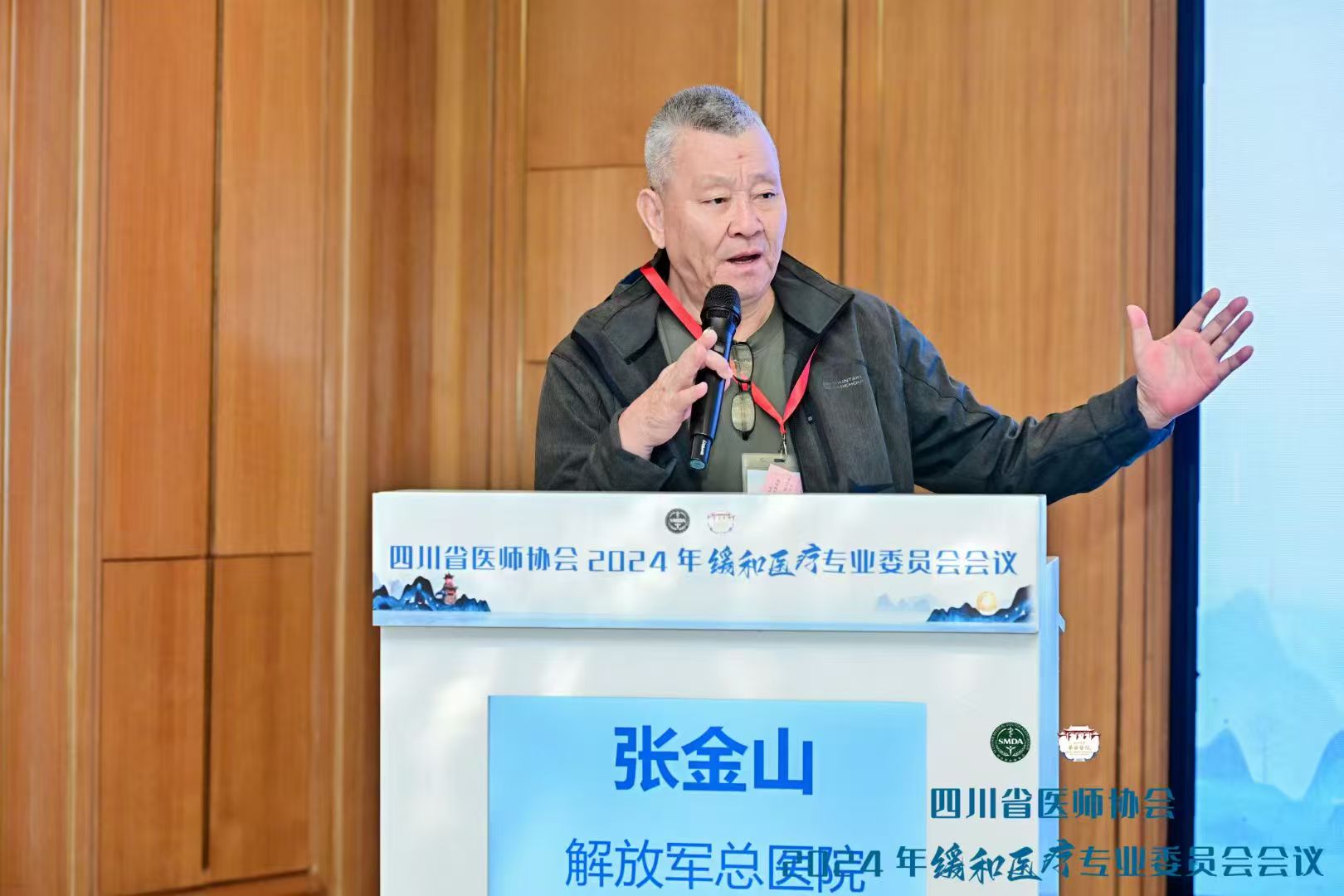
Professor Zhang Jinshan has long been dedicated to the field of medical imaging and has developed distinctive expertise in selective and superselective interventional diagnosis and treatment for solid tumors such as liver cancer, demonstrating exceptional technical proficiency and profound academic accomplishment. Beginning in the 1990s, he led his team in pioneering the clinical application and research of TIPSS and B-ORTO in China, filling major gaps in the domestic field and opening new paths for the interventional management of gastrointestinal bleeding caused by portal hypertension secondary to liver cirrhosis. In addition, he has made groundbreaking contributions to the interventional diagnosis and treatment of peripheral vascular diseases, as well as to preoperative embolization for spinal tumors.
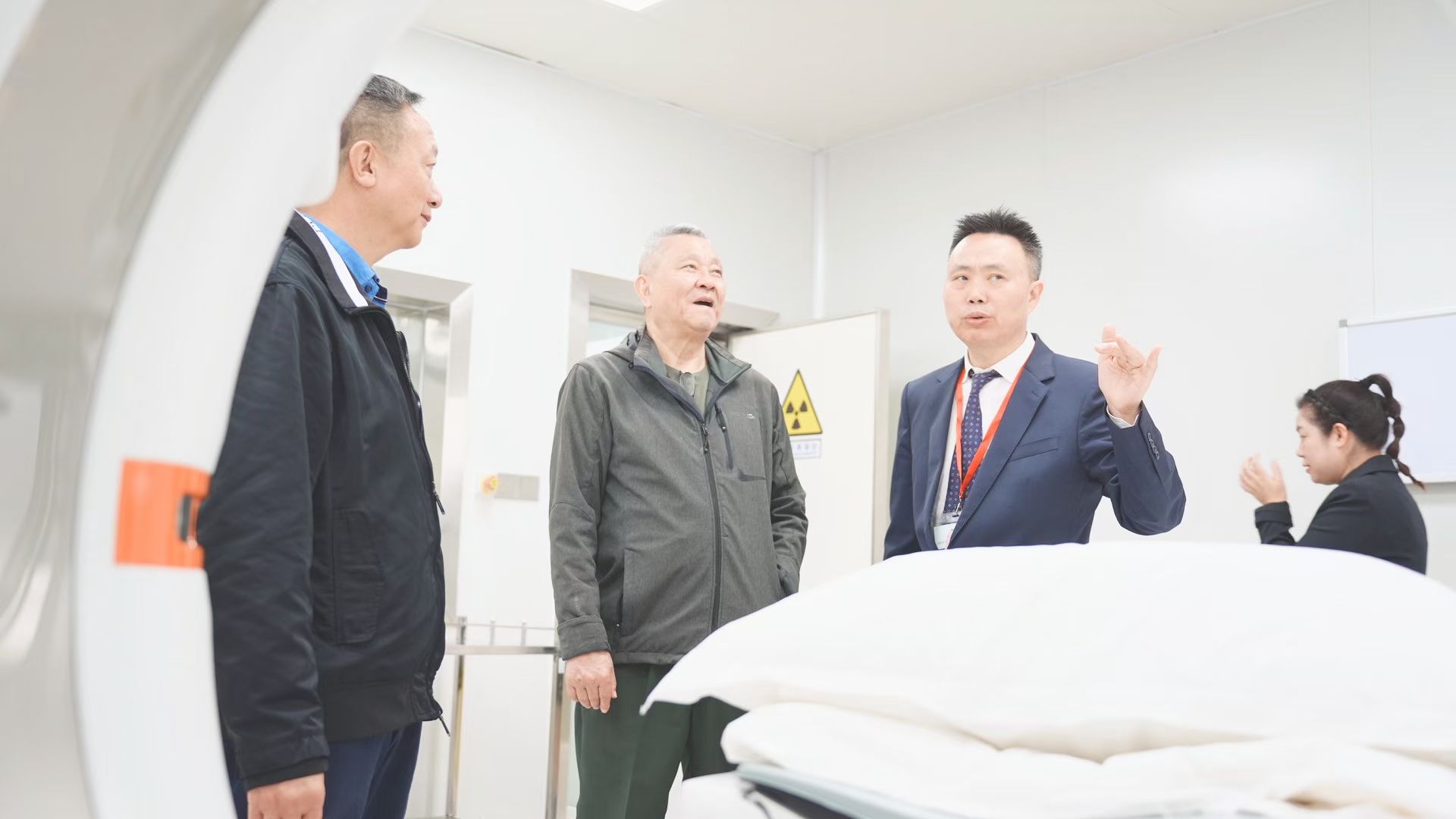
In the field of liver cancer treatment, Professor Zhang Jinshan not only led the development of standardized treatment protocols for liver cancer but also pioneered Transcatheter Arterial Chemoembolization with temporary Hepatic Vein Thrombosis (TACE-THVO) for primary liver cancer, bringing the efficacy of interventional therapy to a new level. In recognition of his outstanding clinical and scientific contributions, he was awarded the honorary title of “Chinese Master of Interventional Radiology” at the 2019 annual conference of the Chinese College of Interventionalists.
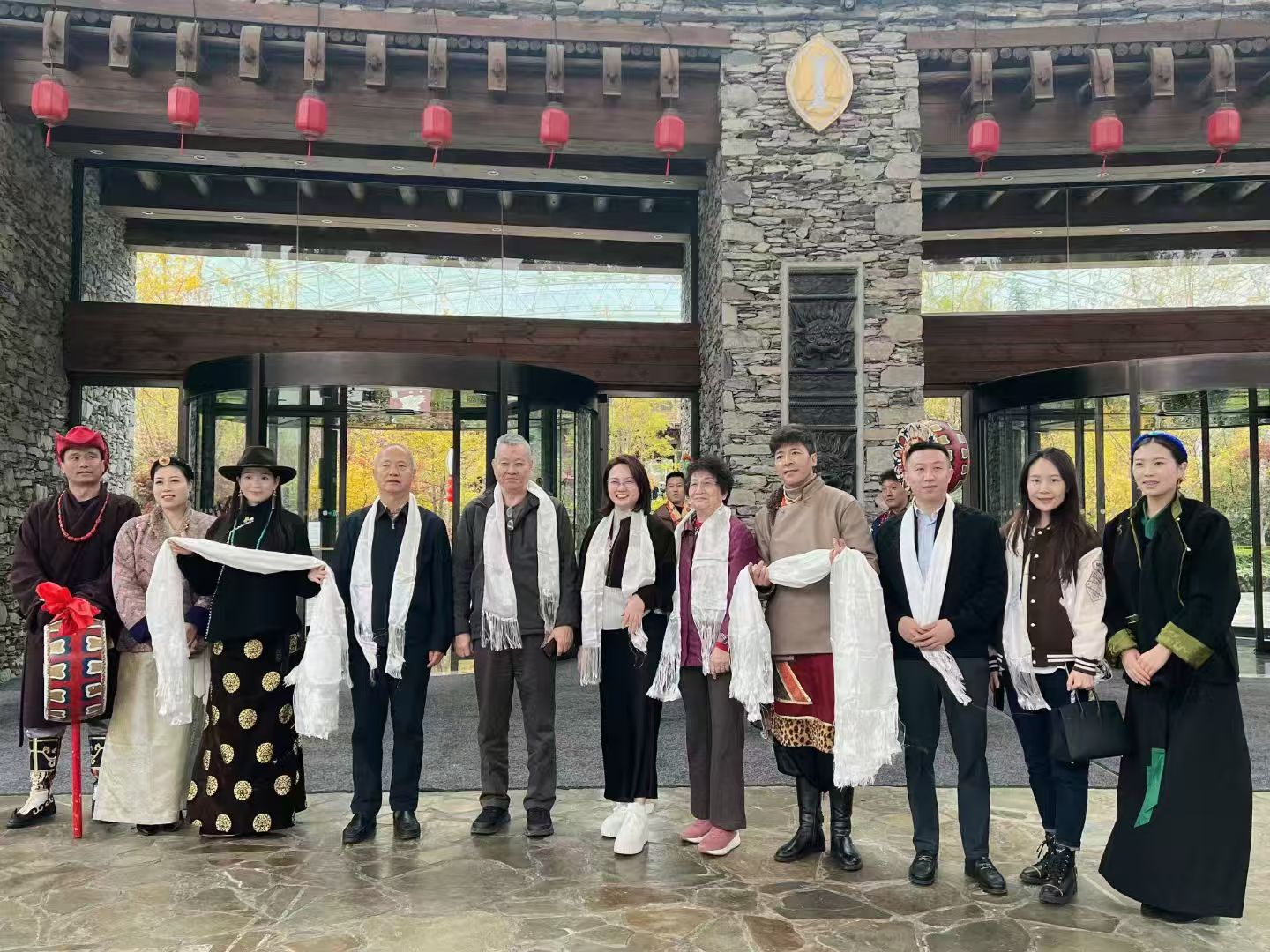
Professor Zhang Jinshan is not only a master clinician but also a driving force in the development of the discipline and a dedicated mentor in talent cultivation. He led his team in establishing one of China’s premier interventional therapy centers. As a doctoral supervisor, he has trained a large number of outstanding specialists and future leaders in interventional medicine, with many of his students and protégés now serving across the country. Academically, he has led multiple key national and military research projects, published more than 300 academic papers, and served as chief editor of three monographs, making remarkable contributions to the establishment of China’s academic framework for interventional medicine and the nationwide dissemination of its technologies.
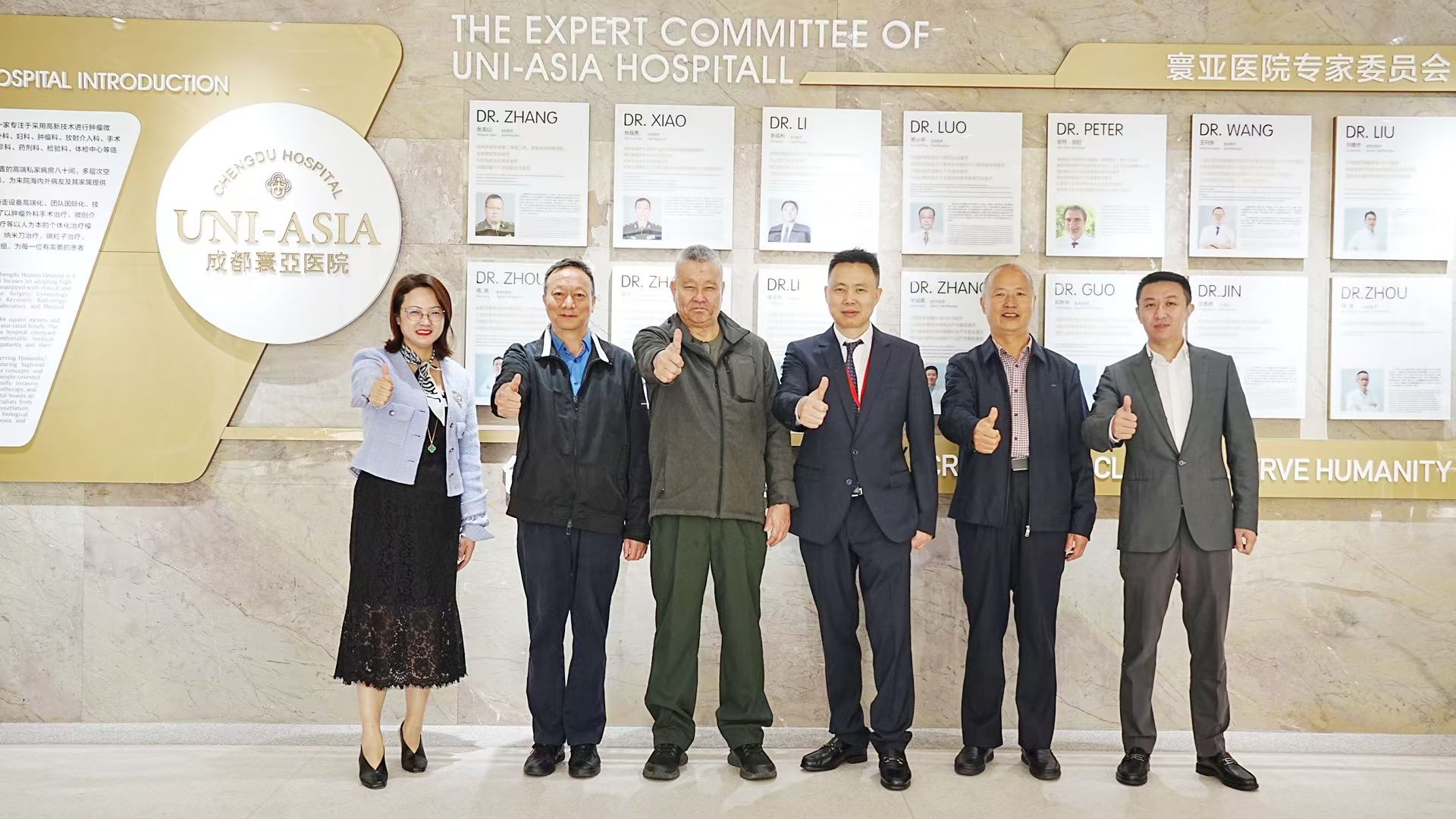
From the laboratory to the operating room, and from academic podiums to grassroots hospitals, Professor Zhang Jinshan has consistently upheld the principles of “pioneering, innovation, pragmatism, and compassion". He has devoted his life to fulfilling the mission of a physician—relieving patients’ suffering through minimally invasive techniques and advancing the discipline through academic excellence—thereby establishing himself as a truly towering figure and one of the foremost authorities in the field of interventional medicine in China.
Professor Zhang Jinshan has achieved prolific academic accomplishments, having published over 300 academic papers covering areas such as interventional therapy for liver cancer, minimally invasive treatment of portal hypertension, interventional treatment of vascular diseases, and tumor ablation.
1. Zhang Jinshan, Wang Maoqiang. Experiments and Clinical Studies of transjugular intrahepatic portosystemic stent shunt (TIPSS). Chinese Journal of Radiology, 1993,27(6):361-365.
Professor Zhang Jinshan is the first author. This is one of the early research papers in China that systematically elaborates on the TIPSS technique. Through animal experiments and clinical case analysis, it confirmed that TIPSS is a safe and effective minimally invasive method for treating portal hypertension and its complications, laying an important foundation for the promotion and application of this technique in China.
2.Zhang Jinshan, Li Huai. Clinical study on transcatheter arterial embolization with temporary hepatic vein occlusion for the treatment of primary liver cancer.Chinese Journal of Radiology, 1996,30(8):521-524.
Professor Zhang Jinshan is the first author. He innovatively proposed the technique of "transcatheter arterial embolization with temporary hepatic vein occlusion." Clinical results demonstrated that this method can significantly increase the drug concentration within liver cancer lesions, reduce damage to normal liver tissue, and effectively improve the therapeutic outcomes for intermediate and advanced liver cancer, providing a novel strategy for the interventional treatment of liver cancer.
3. Zhang Jinshan, Wang Maoqiang, Li Huai. Interventional treatment of Budd-Chiari syndrome. Chinese Journal of Medical Imaging Technology, 1998,14(3):189-191.
Professor Zhang Jinshan is the first author. This paper systematically summarizes the early experience in interventional treatment of Budd-Chiari syndrome in China, elaborating in detail on the key operational points and therapeutic efficacy of techniques such as percutaneous transluminal angioplasty and stent placement. It confirms that interventional therapy is the preferred minimally invasive method for Budd-Chiari syndrome, promoting the standardized development of treatment for this disease.
4.Zhang Jinshan, Li Huai, Wang Maoqiang. Clinical value of superselective hepatic arterial chemoembolization in the treatment of hypovascular liver cancer. Chinese Journal of Radiology, 2000,34(5):335-337.
Professor Zhang Jinshan is the first author. Addressing the challenges in interventional treatment of hypovascular liver cancer, this paper explores the clinical efficacy of superselective hepatic arterial chemoembolization. The results indicate that this technique can precisely target the lesions and improve the treatment response rate, providing an important clinical basis for the interventional treatment of hypovascular liver cancer.
5. Zhang Jinshan, Li Huai, Wang Maoqiang. Interventional treatment of peripheral vascular stenosis and occlusion.Chinese Journal of Radiology, 2002,36(7):612-614.
Professor Zhang Jinshan is the first author. This paper summarizes the interventional treatment experience of over 400 patients with peripheral vascular stenosis and occlusion, analyzing the indications and efficacy of techniques such as balloon angioplasty and stent placement. It confirms that interventional therapy is a safe and effective approach for peripheral vascular diseases, providing practical support for its clinical promotion.
6.Zhang Jinshan, Li Huai, Wang Maoqiang. Clinical application of CT-guided percutaneous puncture ablation in the treatment of abdominal tumors. Chinese Journal of Medical Imaging Technology, 2004,20(9):1395-1397.
Professor Zhang Jinshan is the first author. This paper explores the application value of CT-guided percutaneous puncture techniques such as radiofrequency ablation and chemical ablation in the treatment of abdominal tumors. The clinical results show that this method is minimally invasive with reliable efficacy, offering a minimally invasive treatment option for patients with inoperable abdominal tumors.
7.Zhang Jinshan, Wang Maoqiang, Li Huai. Advances in the application of interventional therapy for benign prostatic hyperplasia. Chinese Journal of Radiology, 2006,40(8):876-878.
Professor Zhang Jinshan is the corresponding author. This paper systematically reviews the cutting-edge advances in interventional therapy for benign prostatic hyperplasia, including the principles, procedures, and efficacy of techniques such as prostatic artery embolization and stent placement, providing new insights for the minimally invasive treatment of benign prostatic hyperplasia.
8.Zhang Jinshan, Li Huai, Wang Maoqiang. Discussion on the standardization of interventional therapy for liver cancer. Chinese Journal of Practical Surgery, 2008,28(10):856-858.
Professor Zhang Jinshan is the corresponding author. Drawing on years of clinical experience and research findings, he led the discussion on standardized protocols for interventional therapy of liver cancer, covering key aspects such as preoperative assessment, treatment modality selection, and postoperative management, providing important references for the formulation of clinical guidelines for interventional therapy of liver cancer in China.
1. Interventional Radiology (People's Military Medical Press, 1995): The first monograph in China to systematically discuss the theories and techniques of interventional radiology. It comprehensively elaborates on the interventional diagnosis and treatment system for tumors, vascular diseases, and non-vascular diseases, becoming a classic essential textbook for interventional physicians in China.
2.Interventional Therapy for Liver Cancer (People's Health Press, 2001): Focusing on minimally invasive interventions for liver cancer, this book systematically summarizes techniques such as TACE, ablation, and vascular intervention, refines operational standards and the prevention and management of complications, and promotes the standardization of interventional therapy for liver cancer.
3.Interventional Treatment of Portal Hypertension (Science Press, 2005): This book systematically elaborates on minimally invasive techniques for portal hypertension, such as TIPSS and B-ORTO, covering experimental research, clinical procedures, long-term follow-up, and efficacy evaluation, filling the gap in monographs on interventional treatment of portal hypertension in China.
1.The National "Eighth Five-Year Plan" Scientific and Technological Key Project—Clinical and Basic Research on Comprehensive Interventional Therapy for Liver Cancer (Project Leader): This project systematically explored multimodal interventional strategies for liver cancer, established the core regimen of superselective TACE combined with local ablation, and significantly improved the therapeutic outcomes for intermediate and advanced liver cancer.
2.The Military "Ninth Five-Year Plan" Key Medical Scientific Research Project—Standardized Research on TIPSS for the Treatment of Portal Hypertension (Project Leader): This project formulated China's first operational standards and postoperative management guidelines for TIPSS, reduced the incidence of complications, and promoted the popularization of this technique throughout the military and across the country.
3.National Natural Science Foundation of China Project — Research on the Mechanism of Targeted Therapy for Liver Cancer Using Hepatic Vein Occlusion Combined with Chemoembolization (Project Leader): This project revealed the synergistic enhancement mechanisms of the innovative technique at the levels of hemodynamics, drug metabolism, and the tumor microenvironment, providing theoretical support for precision interventional therapy of liver cancer.
4.Military Clinical High-Tech Major Project-Establishment and Clinical Application of the Interventional Treatment Technology System for Complex Vascular Diseases (Project Leader): This project overcame interventional challenges in complex lesions such as Budd-Chiari syndrome, peripheral vascular occlusion, and vascular malformations, forming a complete technical system that has been promoted and applied widely.
Le Dr Yang Se Yeon est neurochirurgien et chef du département de neurochirurgie à l'hôpital Naeun. Il est spécialisé dans l'infarctus cérébral, l'hémorragie cérébrale, l'anévrisme cérébral, la maladie de moyamoya, la sténose de l'artère carotide, les vertiges vasculaires et les traumatismes crâniens.
Il est diplômé de la faculté de médecine de l'Université catholique de Corée, où il a également obtenu un master en médecine. Il a effectué son internat et sa résidence en neurochirurgie au Centre médical catholique. Il a ensuite terminé un fellowship clinique et a travaillé comme professeur adjoint clinique à l'hôpital St. Mary d'Uijeongbu.
Il a travaillé comme neurochirurgien au Centre régional de traumatologie du nord de Gyeonggi. Il a également été chef du service de neurochirurgie à l'hôpital G-SAM.