Vers la page d'accueil
4.6/5
TrustPilot

Les Meilleurs doctors pour le traitement de cancer rectal à Eskişehir - TOP-1 des médecins

Comparez les meilleurs médecins Cancer rectal et les prix en Turquie. Trouvez votre meilleure correspondance ici.

Obtenez des devis de 3 meilleurs spécialistes en Turquie

Nous sélectionnons à la main les meilleurs médecins selon vos besoins et votre budget.

Meilleurs médecins

1

Turquie

Avis

14000+

De vrais patients

Obtenez gratuitement des plans de traitement personnalisés et choisissez la meilleure option. Sans engagement · Aucun paiement pour nos services

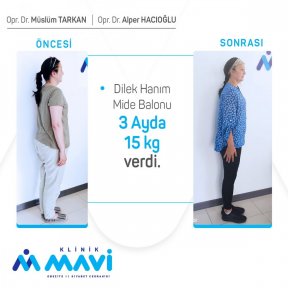
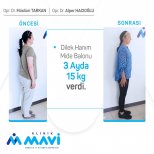
Avant/après ballon gastrique à Klinik Mavi – perte de 15 kg en 3 mois
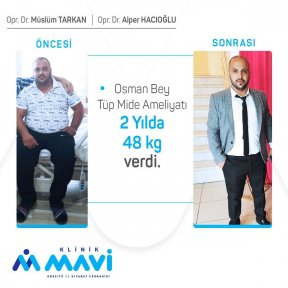
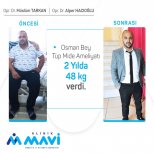
Avant/après sleeve gastrectomie à Klinik Mavi – perte de 48 kg en 2 ans
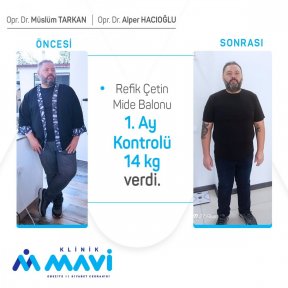
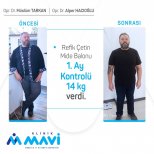
Avant/après ballon gastrique à la Klinik Mavi – perte de poids visible après 1 mois
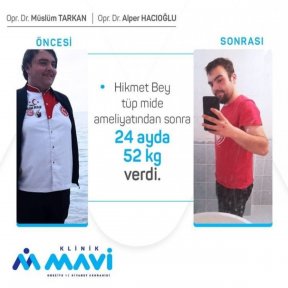
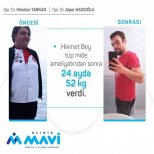
Avant/après sleeve gastrectomie à Klinik Mavi – perte de 52 kg en 24 mois
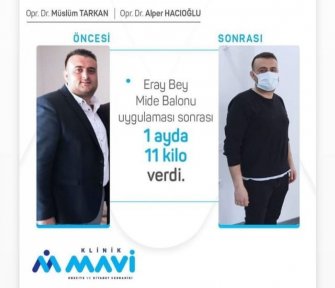
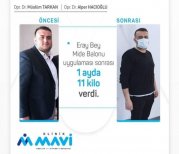
Résultats avant/après ballon gastrique à Klinik Mavi – perte de 11 kg en 1 mois
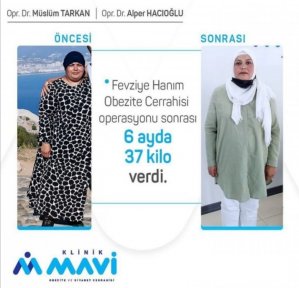
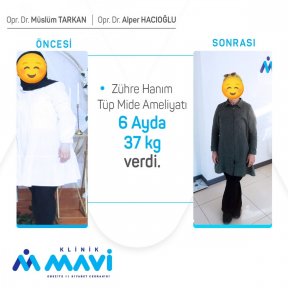
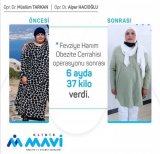
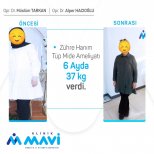
Avant/après sleeve gastrectomie à Klinik Mavi – perte de 37 kg en 6 mois
Muslum Tarkan

Muslum Tarkan

29 années d'expérience
La clinique est certifiée
Turkish Medical Association
International Federation for the Surgery of Obesity and Metabolic Disorders Certificate
Lieu : Turquie, Eskişehir
Clinique :Klinik Mavi

Le Dr Tarkan est spécialisé dans les chirurgies complexes des cancers de l'estomac et du rectum, avec un engagement envers les dernières avancées dans ce domaine.

  • Membre de l'Association turque de chirurgie bariatrique
  • Membre de la Fédération internationale pour la chirurgie de l'obésité et des troubles métaboliques (IFSO)
  • Diplômé de la Faculté de médecine de l'Université de Dicle
Visite du médecinPrix sur demande

Choisir une clinique à l'étranger peut être stressant. Chez Bookimed, avec plus de 800 000 patients aidés, nous comprenons vos préoccupations. Nous savons comment trouver des médecins de confiance, les meilleures options qualité-prix, et des solutions pour les cas les plus complexes. Nous sommes là pour vous guider à chaque étape.

Yan Matsiivskiy

Responsable de l'équipe de coordination médicale

4300++ parcours patients accompagnés

3 années chez Bookimed

278 patients du Turkey ont trouvé leur médecin grâce à nous ce mois-ci

Comment obtenir la meilleure correspondance avec un médecin

1

Quiz de 2 minutes

Indiquez-nous votre objectif, budget, délai

2

Appariement humain + IA

Notre algorithme trouve des correspondances, le coordinateur vérifie l'adéquation

3

Vos options prêtes

Comparez les prix, forfaits, dates. Discutez avec votre coordinateur

Trop de choix ?

Votre personnel Le coordinateur Bookimed vous aide à trouver le chirurgien idéal adapté à vos besoins

  • Vous accompagne à chaque étape, 24h/24 et 7j/7
  • Vous aide à trouver le bon médecin et gère toute la communication avec les cliniques
  • Coordonne vos déplacements, hébergement et transferts

Accompagnement de votre traitement

Coordinateurs médicaux personnels formés

Peguy Beaugris
Tetyana Hyrych
Zekra Eldeeb
Victoria Olayinka
Iryna Sydorchuk
Tetiana Ihnatiuk

Choisir le bon médecin et la bonne clinique : conseils d'initiés

Lors du choix d’un médecin ou d’une clinique, gardez ces points essentiels à l’esprit :
Vérifiez les qualifications
Vérifiez les certifications d’organismes tels que l’ISAPS, la JCI, etc.
Examinez les taux de réussite
Choisissez des médecins ayant une solide expérience dans votre traitement spécifique.
Lisez les avis des patients
Consultez les avis patients réels sur Bookimed pour découvrir leur expérience.
Assurer la communication efficace
Choisissez des cliniques offrant un support linguistique pour un traitement fluide.
Demander les services
Vérifiez si le prix comprend des services tels que l’hébergement, les transferts locaux et le suivi afin d’éviter les coûts cachés.

Bookimed Insights : Meilleurs spécialistes de cancer rectal en Turquie (2026)

Bookimed a coordonné 7 demandes pour le traitement de Cancer rectal en Turquie, en collaboration avec 1 spécialistes. Les médecins de ce tableau se distinguent régulièrement par leurs qualifications et leur expertise à répondre aux besoins spécifiques des patients. Toutes les informations proviennent de cas réels de patients et d'offres de traitement créées par nos cliniques partenaires.
ClassementMédecinexpérienceBon choix pourCe qui les distingueClinique et emplacementConsultation
#129 années d'expérienceChirurgies complexes du cancer du rectumSpécialisé dans les chirurgies complexes du cancer du rectum et de l'estomac. Membre d'associations chirurgicales prestigieuses, garantissant l'application de techniques actualisées.
Turquie
Prix sur demande

FAQ

Ces FAQ sont basées sur les questions de patients réels cherchant des soins médicaux avec Bookimed. Les réponses sont fournies par des experts médicaux et des représentants de cliniques réputées.

What are the success and survival rates for rectal cancer treatment in Turkey?

Rectal cancer survival rates in Turkey reach 93% for early-stage cases. Specialized centers report five-year survival between 68% and 90% for non-metastatic cancer. Advanced surgical techniques like the Da Vinci Xi system achieve 90% efficacy in successful rectal resections and tumor removal.

  • Localized survival: Stage I cases show survival rates between 87% and 93%.
  • Regional outcomes: Stage II and III patients maintain 60% to 82% survival.
  • Recurrence control: Total response to chemoradiotherapy reduces local recurrence risk to 3.6%.
  • Metastasis-free rate: Approximately 63% of patients remain metastasis-free five years after treatment.
  • Surgical efficacy: Specialized clinics report 85% to 90% success in complex resections.

Bookimed Expert Insight: Turkish oncology centers often use Da Vinci robotic systems for rectal surgeries. This technology is vital for preserving nerve function during deep pelvic procedures. It helps maintain urinary and sexual health while ensuring high survival rates. We see these technologies mostly in JCI-accredited hubs in Istanbul and Ankara.

Patient Consensus: Patients are often surprised by the high technology standards in Istanbul hospitals. Many note that the multidisciplinary team approach helps them feel confident about their recovery.

Is a permanent stoma always required?

A permanent stoma is not always necessary for rectal cancer treatment in Turkey. Surgeons prioritize sphincter-saving techniques to preserve natural bowel function. Permanent stomas are typically reserved for cases where the tumor involves the anal muscles or when the rectum is completely removed.

  • Sphincter preservation: Surgeons aim to avoid permanent stomas by performing ultra-low anterior resections.
  • Temporary diversion: A temporary stoma protects surgical connections while the bowel heals.
  • Reversal timeline: Most temporary stomas are reversed 3 to 12 months after surgery.
  • Medical necessity: Permanent stomas are used if the anus or bladder requires complete removal.

Bookimed Expert Insight: Turkish oncology centers show a strong trend toward robotic-assisted surgery for low rectal tumors. Anadolu Medical Center uses the CyberKnife and robotic systems to shrink tumors before surgery. This approach often helps surgeons save the sphincter and avoid a permanent stoma.

Patient Consensus: Patients note that while a temporary stoma feels overwhelming, clear guidance makes it manageable. They emphasize that specialized nurses in Istanbul clinics provide vital training for stoma care.

Can rectal cancer be treated without surgery?

Rectal cancer treatment without surgery is possible through a watch-and-wait strategy or immunotherapy. Patients showing a complete response to chemoradiation may opt for intensive monitoring. This path preserves organ function and avoids colostomy bags. Success depends on tumor genetics and early-stage diagnosis.

  • Watch-and-wait protocol: Doctors monitor patients whose tumors disappear after initial chemotherapy and radiation.
  • Success rates: Approximately 50% of locally advanced cases may successfully avoid major surgery.
  • Immunotherapy breakthrough: Patients with mismatch repair deficiency (MMRd) mutations may achieve 100% remission.
  • Endoscopic removal: Specialists remove very early-stage polyps during a colonoscopy without external incisions.
  • Intensive monitoring: Patients undergo frequent MRI scans and endoscopies to ensure no regrowth.

Bookimed Expert Insight: Analytics show Turkey's top oncology centers like Anadolu Medical Center and Neolife prioritize organ preservation. They use advanced PET-CT and 3T MRI to confirm complete clinical response. This technology ensures the watch-and-wait approach is safe. Some clinics offer robotic-assisted local excision as a middle ground. This avoids major resection while still removing residual tissue.

Patient Consensus: Patients highlight that avoiding a permanent stoma bag is their primary motivation. They note that the frequent check-ups felt stressful but manageable for a better quality of life.

How long is the hospital stay and overall recovery?

Patients typically stay in a Turkish hospital for 5 to 7 days after rectal cancer surgery. Minimally invasive laparoscopic or robotic techniques allow for faster discharge. Most return to light activities in 3 weeks. Full recovery usually takes 2 to 3 months.

  • Hospital duration: Surgical stay averages 5 to 7 days for most Turkish oncology centers.
  • Minimally invasive benefit: Laparoscopic procedures often reduce hospital stays by 2 to 3 days.
  • Initial recovery phase: Patients generally resume light daily tasks within 14 to 21 days.
  • Full activity return: Resuming strenuous exercise or heavy work takes 8 to 12 weeks.

Bookimed Expert Insight: Turkish clinics often include additional hotel stays in their rectal cancer packages. For example, Anadolu Medical Center packages frequently bundle 5 hospital nights with 10 hotel days. This ensures patients stay near their surgeon during the critical first two weeks of healing.

Patient Consensus: Patients note that having a dedicated companion is vital during the first week. They emphasize that while hospital discharge is quick, walking daily is key to regaining strength. Moving around soon after surgery helped many feel normal much faster than they expected.

What follow-up care can I continue in my home country after treatment in Turkey?

Follow-up care after rectal cancer treatment in Turkey combines remote specialist reviews with local clinical services. Turkish oncology centers provide digital consultations to monitor healing progress. You must coordinate physical exams and routine blood tests with your local oncologist to ensure continuous monitoring and safety.

  • Remote consultations: Turkish doctors review scans and lab results through secure video calls.
  • Local monitoring: Your home GP handles wound care and physical examinations locally.
  • Documentation transfer: Hospitals provide discharge summaries and pathology reports for your local team.
  • Treatment coordination: Turkish surgeons communicate with home doctors regarding medication and therapy updates.
  • Imaging reviews: You can upload new MRIs to Turkish portals for expert second opinions.

Bookimed Expert Insight: Anadolu Medical Center and Liv Hospital provide specialized coordinators for international patients. These clinics use dedicated portals to store digital imaging and pathology reports. This ensures your home oncologist sees the exact surgical techniques used. Having these files ready prevents diagnostic delays once you return home.

Patient Consensus: Patients emphasize the relief of having a direct WhatsApp contact for quick questions. Many suggest bringing a translated medical summary to help local doctors understand specific Turkish protocols.




