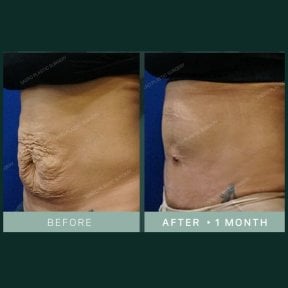
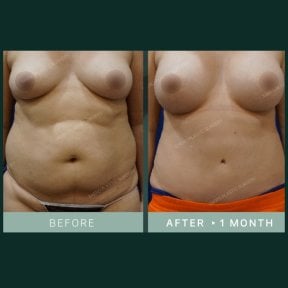
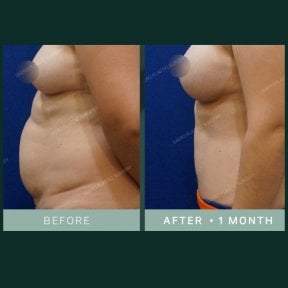
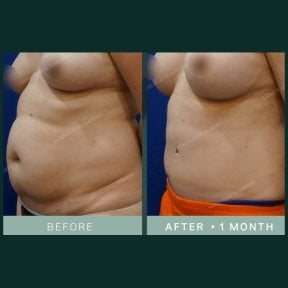
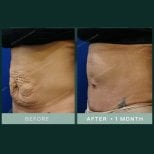
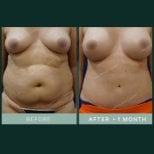
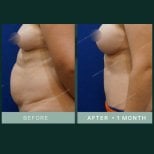
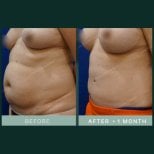
En Corée du Sud, une plastie abdominale et une liposuccion coûtent généralement de $9,500 à $18,200. Le tarif final dépend de la technique chirurgicale choisie et du nombre de zones traitées.
En France, ces interventions coûtent environ $11,300. Les patients économisent ainsi près de 16% par rapport à la France. Les forfaits comprennent souvent les examens préopératoires, l'anesthésie, l'hospitalisation et les vêtements de compression.
Avis d'expert Bookimed : La Corée propose une précision de pointe pour la silhouette. JK Plastic Surgery Center affiche vingt ans d'expérience sans échec.
Privilégiez les cliniques certifiées KOIHA, comme VG Plastic Surgery à Séoul. Ces établissements intègrent souvent des séances de soins drainants ou laser. Les patients étrangers peuvent également récupérer 7–8 % de TVA au moment de leur départ.
| République de Corée | Turquie | Pologne | |
| Abdominoplastie et liposuccion | de $9,500 | de $4,500 | de $5,000 |
Le Dr Park est un chirurgien plasticien certifié, reconnu pour sa précision et ses soins centrés sur le patient. Il a reçu le prix du 'Meilleur Résident' par la Société Coréenne des Chirurgiens Plasticiens et Reconstructeurs.
Chirurgien plasticien certifié avec un Doctorat et plus de 15 ans d'expérience – Le Dr Im dirige VG Chirurgie Plastique à Séoul et se spécialise dans l'obtention de résultats d'apparence naturelle.
Chirurgien certifié et professeur principal à l'université SoonChunHyang – Le Dr Kim est spécialisé dans les procédures avancées de remodelage corporel.
Chirurgien certifié possédant une vaste expérience des procédures cosmétiques à la Wonjin Plastic Surgery Clinic.
Cette procédure chirurgicale combine la chirurgie abdominale et la liposuccion pour éliminer l'excès de peau et de graisse pour un ventre plus plat.
The ideal candidate for a combined tummy tuck and liposuction in Korea presents with loose abdominal skin, separated stomach muscles, and localized fat deposits. Candidates must maintain a stable weight within 10-20 pounds of their goal for at least 6 months before surgery.
Bookimed Expert Insight: While many US patients expect a BMI limit of 35, Korean clinics like JK Plastic Surgery Center and VG Plastic Surgery prioritize patients with a BMI under 30. Their surgeons, such as Dr. Park Young Kyu, often recommend reaching a goal weight first to ensure the 100% success rates these centers aim to maintain. This conservative approach in Seoul leads to better skin draping and more defined contouring in the flanks.
Patient Consensus: Patients emphasize that maintaining a stable weight for 6 months post-weight loss is vital. Most advise completing family planning first, as subsequent pregnancies will likely reverse the muscle repair and skin tightening results.
Recovery requires 2 to 3 weeks of significant downtime before returning to desk work. Patients reach major healing milestones within 1 month, while final body contours appear after 6 months once swelling subsides. Success relies on consistent compression garment use and phased mobility.
Bookimed Expert Insight: Korean clinics like VG Plastic Surgery and JK Plastic Surgery Center often include 1 to 2 nights of hospitalization. This is crucial for combined procedures where liposuction increases fluid shifts. Clinics in Seoul prioritize professional monitoring during the first 48 hours to manage early-stage swelling effectively.
Patient Consensus: Expect a zombie-like fatigue during the first week and prepare for an emotional phase while swelling peaks. Preemptively buying stool softeners is highly recommended to manage common post-op constipation from medication.
Medical tourists must stay in South Korea for 14 to 21 days for a combined tummy tuck and liposuction. This timeframe ensures safe monitoring, drain removal, and stable healing. Most clinics require a minimum two-week recovery period before clearing international patients for long-haul air travel.
Bookimed Expert Insight: While many websites suggest 10 days, Seoul centers like JK Plastic Surgery often require 14 days for combined body contouring. This extra time is vital because combined surgeries increase seroma risks. Staying longer allows doctors to monitor fluid levels daily, ensuring you are truly ready for cabin pressure changes.
Patient Consensus: Patients emphasize planning for a full 3 weeks to manage swelling comfortably. They highly recommend using recovery hotels that offer specialized post-op nursing care and compression garment fittings.