Vers la page d'accueil
4.6/5
TrustPilot

Les Meilleurs doctors pour le traitement de cicatrices chéloïdes en Thaïlande - TOP-3 des médecins

Comparez les meilleurs médecins Cicatrices chéloïdes et les prix en Thaïlande. Trouvez votre meilleure correspondance ici.

Obtenez des devis de 3 meilleurs spécialistes en Thaïlande

Nous sélectionnons à la main les meilleurs médecins selon vos besoins et votre budget.

Meilleurs médecins

3

Thaïlande

Avis

14000+

De vrais patients

Obtenez gratuitement des plans de traitement personnalisés et choisissez la meilleure option. Sans engagement · Aucun paiement pour nos services

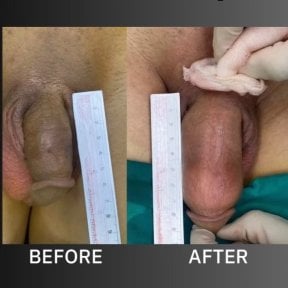
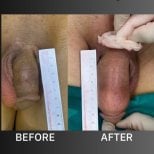
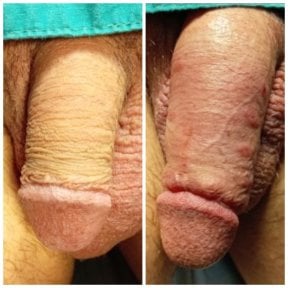
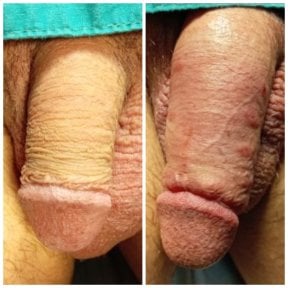
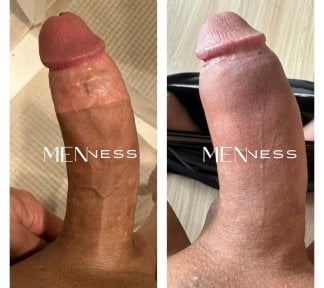
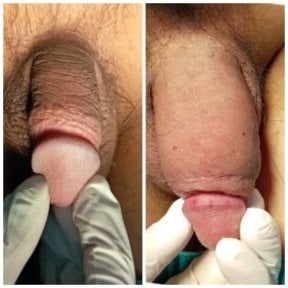
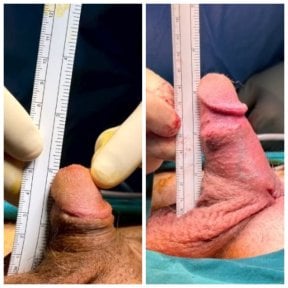
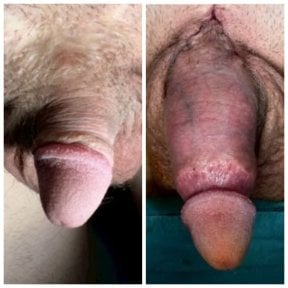
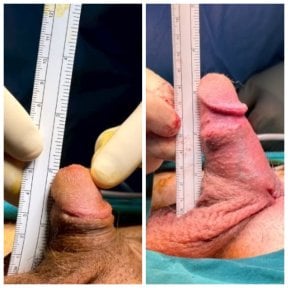
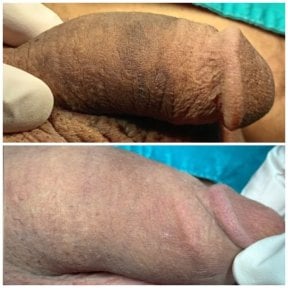
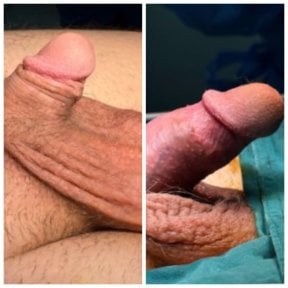
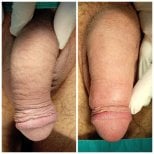
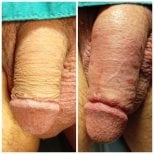
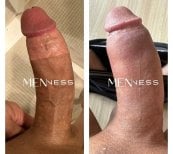
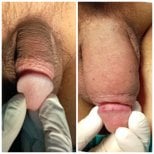
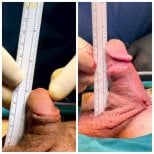
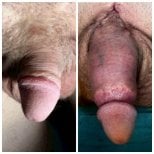
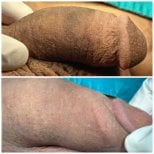
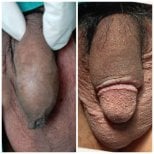
Résultats avant et après l’agrandissement du pénis à Menness Wellness Clinic, circonférence accrue
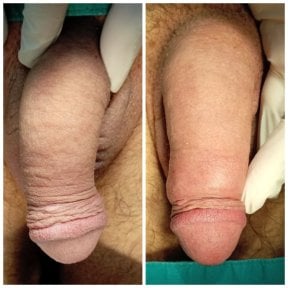
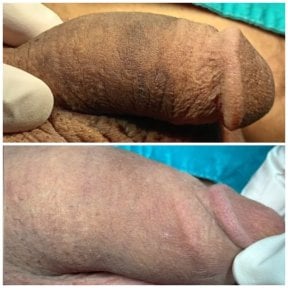
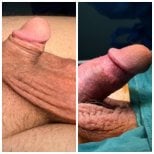
Résultats avant/après d’agrandissement du pénis à la Menness Wellness Clinic, taille visible
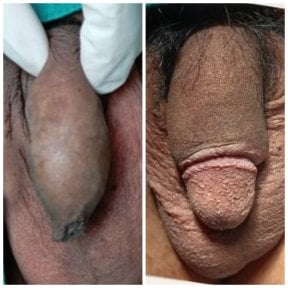
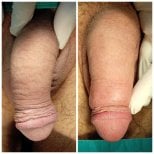
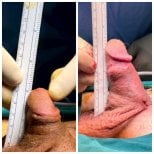
Résultats avant/après d’agrandissement du pénis à Menness Wellness Clinic, taille accrue
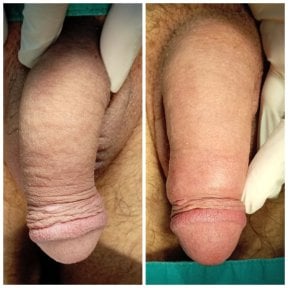
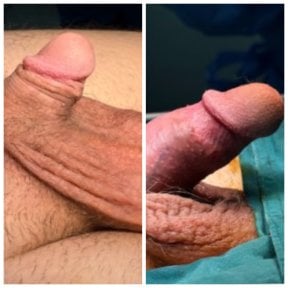
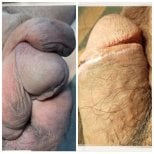
Résultats avant et après d’agrandissement du pénis à la Menness Wellness Clinic, taille accrue
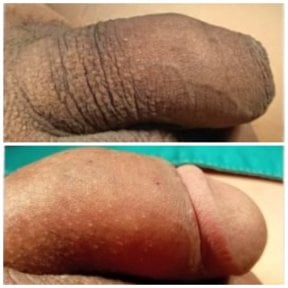
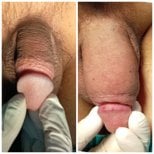
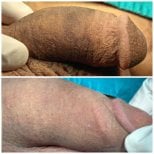
Résultats avant et après l’agrandissement du pénis à Menness Wellness Clinic, taille accrue
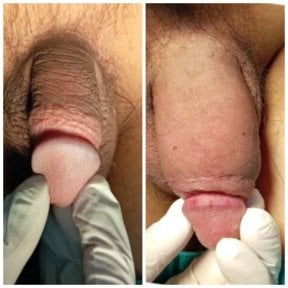
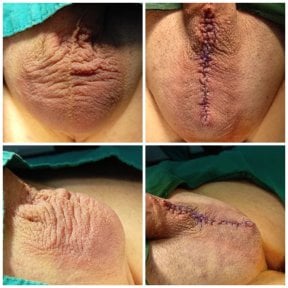
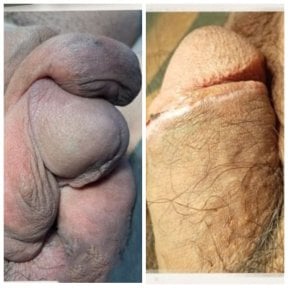
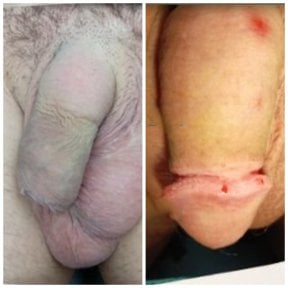
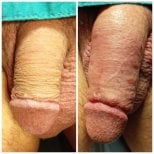
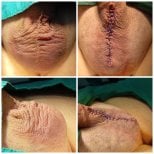
Résultats avant et après chirurgie du paraffinoma pénien à Menness Wellness Clinic
Nuttaphon Luchaichana

Nuttaphon Luchaichana

10 années d'expérience
La clinique est certifiée
Royal College of Surgeons Thailand
Lieu : Thaïlande, Bangkok

Urologue certifié spécialisé en procédures reconstructrices à la Menness Wellness Clinic, avec un accent sur la santé sexuelle masculine et les techniques mini-invasives.

  • Spécialisation en andrologie et santé sexuelle masculine
  • Expert en chirurgie mini-invasive et procédures reconstructrices
  • Offrir des soins centrés sur le patient pour une meilleure qualité de vie
  • Proposer des plans de traitement personnalisés et adaptés aux besoins individuels
Visite du médecinPrix sur demande
Intrarat Hospital
Dr Prasert Sujiipinyo

Dr Prasert Sujiipinyo

28 années d'expérience
La clinique est certifiée
International Organization for Standardization
Lieu : Thaïlande, Bangkok
Clinique :
4.8
Intrarat Hospital

Le Dr Prasert Sujiipinyo est un chirurgien général qualifié, spécialisé dans les interventions complexes à l'hôpital Intrarat.

  • Se spécialiser dans les opérations impliquant le système endocrinien et le tractus gastro-intestinal
  • Certifié en chirurgie générale par l'hôpital Rajavithi
  • Diplômé de la faculté de médecine de l'université de Chiang Mai
Visite du médecinPrix sur demande
Clinique Somchai de Dermatologie et Médecine Esthétique
Siripong Lakkhanawong

Siripong Lakkhanawong

32 années d'expérience
Lieu : Thaïlande, Bangkok

Dr. Siripong Lakkhanawong, MD, is a specialist in Family Medicine, General Surgery, and Plastic Surgery. He has more than 25 years of medical experience.

He provides patient-focused care with a strong emphasis on safety and professional standards. His work centers on general and plastic surgery. His goal is to achieve consistent, long-lasting surgical outcomes.

Visite du médecinPrix sur demande

Choisir une clinique à l'étranger peut être stressant. Chez Bookimed, avec plus de 800 000 patients aidés, nous comprenons vos préoccupations. Nous savons comment trouver des médecins de confiance, les meilleures options qualité-prix, et des solutions pour les cas les plus complexes. Nous sommes là pour vous guider à chaque étape.

Yan Matsiivskiy

Responsable de l'équipe de coordination médicale

4300++ parcours patients accompagnés

3 années chez Bookimed

1 patients du Thaïlande ont trouvé leur médecin grâce à nous ce mois-ci

Comment obtenir la meilleure correspondance avec un médecin

1

Quiz de 2 minutes

Indiquez-nous votre objectif, budget, délai

2

Appariement humain + IA

Notre algorithme trouve des correspondances, le coordinateur vérifie l'adéquation

3

Vos options prêtes

Comparez les prix, forfaits, dates. Discutez avec votre coordinateur

Trop de choix ?

Votre personnel Le coordinateur Bookimed vous aide à trouver le chirurgien idéal adapté à vos besoins

  • Vous accompagne à chaque étape, 24h/24 et 7j/7
  • Vous aide à trouver le bon médecin et gère toute la communication avec les cliniques
  • Coordonne vos déplacements, hébergement et transferts

Accompagnement de votre traitement

Coordinateurs médicaux personnels formés

Peguy Beaugris
Tetyana Hyrych
Zekra Eldeeb
Victoria Olayinka
Iryna Sydorchuk
Tetiana Ihnatiuk

Choisir le bon médecin et la bonne clinique : conseils d'initiés

Lors du choix d’un médecin ou d’une clinique, gardez ces points essentiels à l’esprit :
Vérifiez les qualifications
Vérifiez les certifications d’organismes tels que l’ISAPS, la JCI, etc.
Examinez les taux de réussite
Choisissez des médecins ayant une solide expérience dans votre traitement spécifique.
Lisez les avis des patients
Consultez les avis patients réels sur Bookimed pour découvrir leur expérience.
Assurer la communication efficace
Choisissez des cliniques offrant un support linguistique pour un traitement fluide.
Demander les services
Vérifiez si le prix comprend des services tels que l’hébergement, les transferts locaux et le suivi afin d’éviter les coûts cachés.

Bookimed Insights : Meilleurs spécialistes de cicatrices chéloïdes en Thaïlande (2026)

Bookimed a coordonné 1 demandes pour le traitement de Cicatrices chéloïdes en Thaïlande, en collaboration avec 3 spécialistes. Les médecins de ce tableau se distinguent régulièrement par leurs qualifications et leur expertise à répondre aux besoins spécifiques des patients. Toutes les informations proviennent de cas réels de patients et d'offres de traitement créées par nos cliniques partenaires.
ClassementMédecinexpérienceBon choix pourCe qui les distingueClinique et emplacementConsultation
#110 années d'expérienceReconstruction du scrotum et du pénisSpécialisation dans les procédures urologiques reconstructrices avec un accent sur les résultats centrés sur le patient. Utilisation de techniques minimalement invasives pour une meilleure récupération et des résultats optimaux.
Thaïlande
Prix sur demande
#228 années d'expérienceCas chirurgicaux complexesSpécialisé en chirurgie endocrinienne et gastro-intestinale avec une certification de l'hôpital Rajavithi. Exerce actuellement à l'hôpital Intrarat.
Thaïlande
Prix sur demande

FAQ

Ces FAQ sont basées sur les questions de patients réels cherchant des soins médicaux avec Bookimed. Les réponses sont fournies par des experts médicaux et des représentants de cliniques réputées.

What are the main treatment modalities for keloid scars offered in Thailand's certified hospitals?

Certified hospitals in Thailand utilize combination protocols to treat keloid scars effectively. Primary modalities include intralesional steroid injections, specialized laser therapy, and surgical excision. High-volume centers often combine surgery with immediate radiation or pressure therapy to reduce recurrence. Treatment plans typically require multiple sessions.
  • Injectable corticosteroids: Intralesional injections flatten raised tissue and relieve persistent itching.
  • Advanced laser systems: Pulsed dye and CO2 lasers target redness and tissue volume.
  • Surgical excision: Surgeons remove large keloids, often incorporating adjunct steroid or radiation protocols.
  • Cryotherapy: Liquid nitrogen freezes small keloids to reduce size through controlled tissue destruction.
  • Radiotherapy: Low-dose electron beam radiation follows surgery to prevent the scar from returning.

Bookimed Expert Insight: Data shows a clear trend where ISO-certified hospitals like Intrarat Hospital offer specialized dermatosurgery fellowships. Dr. Nawaporn Ungpraphakorn, for example, focuses specifically on skin surgery protocols. Choosing a specialist with a dedicated fellowship rather than a general surgeon can improve long-term aesthetic outcomes. Expert-led consultations in Bangkok may cost approximately $150 to $300.

Patient Consensus: Patients emphasize that while surgery and lasers are effective, wearing pressure garments is necessary for long-term maintenance. Many note that setting up a local follow-up for injections is vital after returning home.

How do Thai dermatologic surgeons minimize the risk of keloid recurrence compared to global best-practice standards?

Thai dermatologic surgeons minimize keloid recurrence by employing rigorous multimodal protocols that exceed standard excision. These methods combine surgical removal with immediate adjuvant therapies. Techniques include pulsed dye laser (PDL) and intralesional triamcinolone. Specialized follow-up programs span 12 months for early detection.

  • Triple-combination therapy: Surgeons often combine surgical excision with immediate post-operative steroid injections.
  • Pre-surgical conditioning: Some protocols utilize pulsed dye laser sessions 3 times before excision.
  • Customized compression: Clinics provide tailored medical devices like pressure earrings for ear keloids.
  • Fitzpatrick-specific approach: Surgeons perform shallower excisions for patients with darker skin to reduce trauma.

Bookimed Expert Insight: Thai clinics like Bumrungrad International Hospital and Intrarat Hospital demonstrate higher-than-average patient volumes, reflecting deep experience in ethnic skin types. Our data shows that while global standards emphasize post-op radiation, Thai specialists often achieve high success using more affordable, combined laser and steroid touch-ups over a mandatory 12-month monitoring period. This long-term, intensive monitoring often yields results comparable to expensive radiotherapy.

Patient Consensus: Patients note it's important to wear custom pressure garments 24/7 for at least 6 months after surgery. They appreciate that monthly follow-up checks often include affordable steroid touch-ups to ensure the scar stays flat.

What medical qualifications and hospital accreditation should international patients look for when selecting keloid treatment in Thailand?

Patients should prioritize Thai Board Certification in Dermatology or Plastic Surgery and Joint Commission International (JCI) accreditation. These standards ensure surgeons have specialized training in scar management. Top facilities like Bumrungrad International Hospital also hold Global Healthcare Accreditation for medical travel excellence. This guarantees safety and quality care.

  • Hospital accreditation: Look for JCI, ISO 9001:2015, or Hospital Accreditation (HA) Thailand.
  • Specialist certification: Confirm Thai Board Certification in Dermatology or Plastic and Reconstructive Surgery.
  • Advanced training: Seek doctors with fellowships in dermatosurgery or specific scar management protocols.
  • Patient volume: High-capacity centers like Sikarin Hospital treat over 250,500 patients annually.

Bookimed Expert Insight: Data shows a clear distinction between multi-disciplinary hospitals and boutique clinics. Large institutions like Bumrungrad International serve 1,000,000 patients yearly and offer robotic technology. However, specialized clinics like Intrarat Hospital provide targeted care. Their doctors, such as Dr. Nawaporn Ungpraphakorn, hold specific dermatosurgery fellowships. Choosing such specialists can be more effective for complex keloid cases than general plastic surgery.

Patient Consensus: Individuals emphasize checking the Thai Medical Council license and requesting before-and-after photos of specific keloid cases. They note that having English-speaking staff and a structured follow-up plan is vital for monitoring potential recurrence.

What is the typical recovery timeline and post-treatment aftercare for keloid removal procedures in Thailand?

Recovery after keloid removal in Thailand typically requires 7 to 14 days for initial wound healing. Complete scar maturation can take up to 12 months. Specialized centers like Intrarat Hospital and Bumrungrad International Hospital utilize integrated protocols to prevent recurrence during this period.

  • Immediate healing: Initial wound closure occurs within 7 to 10 days of the procedure.
  • Suture removal: Doctors typically remove sutures between day 5 and day 10 after surgery.
  • Activity restrictions: Patients should avoid strenuous exercise and heavy lifting for at least 2 weeks.
  • Long-term management: Silicone sheets or compression therapy are required for 3 to 6 months.

Bookimed Expert Insight: While many patients focus on the surgery, our data shows that clinics with high international volumes, such as Bumrungrad International Hospital, emphasize immediate post-operative adjuncts. Successful outcomes often depend on starting steroid injections or pressure therapy within the first 48 hours. Choosing a hospital with JCI accreditation ensures these standardized protocols are strictly followed to minimize recurrence risks. For example, Intrarat Hospital maintains ISO 9001:2015 standards, which correlates with high-quality procedural monitoring.

Patient Consensus: Patients note it is important to budget for at least 2 weeks of downtime. They emphasize that using silicone gel and avoiding sun exposure are vital for preventing the scar from darkening.

Is a combination approach (excision + steroid + laser + radiotherapy) absolutely necessary, or can milder keloids be managed without surgery in Thailand?

Mild keloids in Thailand do not require surgery or combination therapies like radiotherapy. Specialized clinics prioritize non-invasive methods such as corticosteroid injections and laser therapy for smaller scars. These treatments effectively reduce inflammation, flatten scar tissue, and improve texture without the high recurrence risk of surgical excision.

  • Steroid injections: Monthly triamcinolone injections flatten scars and reduce itching within 6 months.
  • Laser therapy: Vbeam or CO2 lasers target redness and resurface skin texture effectively.
  • Silicone therapy: Medical-grade gels or sheets maintain hydration to prevent scar thickening.
  • Cryotherapy: Freezing tissue before injections improves medication absorption for faster flattening results.

Bookimed Expert Insight: While many consider surgery a quick fix, our data shows patients often find better value in long-term non-surgical plans. For example, Intrarat Hospital offers ISO-certified consultations for $150 to establish these protocols early. Starting with non-invasive therapy typically costs 50% less than the $300 minimum for surgical packages at clinics like Menness Wellness.

Patient Consensus: Patients note that steroid injections and laser sessions in Bangkok successfully flattened small keloids without the need for risky surgery. Always pair any treatment with silicone sheets to maintain results and prevent the scar from rebounding.

Are there genetic or skin-type factors that could compromise keloid treatment success for Caucasian tourists compared to patients of Asian descent?

Caucasian tourists often face higher recurrence rates than patients of Asian descent due to genetic heritability differences. While East Asian populations show a 21% heritability estimate, European ancestry is estimated at 6%. Asian skin features higher fibroblast activity and prolonged hyperemia, requiring more aggressive multimodal treatments for success.

  • Genetic prevalence: Keloids affect less than 1% of Caucasians compared to 1.5% of Asians.
  • Fibroblast activity: Higher collagen deposition in Asian skin can lead to more resistant keloid formations.
  • Treatment response: Combination therapies like surgery plus radiation reach 88% resolution in Asian cohorts.
  • Lesion multiplicity: Asian patients are 30% more likely to present with multiple keloid lesions.

Bookimed Expert Insight: Thai clinics like Menness Wellness or ID Clinic Bangkok handle high volumes of Asian patients, where surgery success often reaches 80%. Caucasian patients should prioritize specialists like Dr. Siripong Lakkhanawong, who has over 25 years of experience. High-volume centers like Bumrungrad International Hospital utilize JCI-accredited protocols to balance aggressive fibroblast control with the needs of fairer skin types.

Patient Consensus: Patients note that Caucasian skin may not hold excisions as well as Asian skin, leading to faster recurrence. Many emphasize that while Thai doctors are experts in local skin types, tourists should ensure treatments are tailored to their specific healing patterns.

Which regions or cities in Thailand are most renowned for dermatologic keloid treatment and have the highest concentration of certified clinics?

Bangkok is the primary hub for dermatologic keloid treatment in Thailand, housing the highest density of JCI-accredited hospitals and specialized skin clinics. Other significant regions include Pattaya and Phuket. These cities offer advanced therapies like electron radiation and fractional lasers within internationally certified facilities.

  • Bangkok hub: Density of JCI-accredited facilities like Bumrungrad and Sikarin Hospital.
  • Pattaya centers: Bangkok Hospital Pattaya provides JCI-standard dermatologic care on the East Coast.
  • Certified specialists: Clinics like Intrarat Hospital maintain ISO 9001:2015 quality management standards.
  • Specialized facilities: Asoke Skin Hospital in Bangkok is Thailand's only dedicated dermatology hospital.

Bookimed Expert Insight: While many search for general clinics, our data shows a clear advantage in choosing multi-disciplinary hospitals in Bangkok like Bumrungrad. These centers serve over 1,000,000 patients annually and provide specialized radiation therapy. This is crucial for complex keloids where surgery alone often leads to regrowth.

Patient Consensus: Patients emphasize that Bangkok is the best choice because finding English-speaking specialists is much easier there than in other regions. They also note that post-operative steroid protocols are more strictly managed in these certified clinics to ensure the scar does not return.