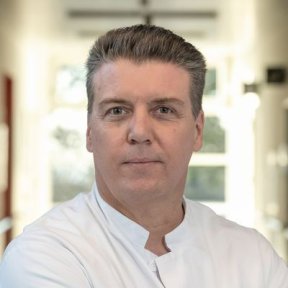



Ralf Buhl
Allemagne, Solingen
Médecin principal pour votre Chirurgie de la hernie discale
4.0 Bien•8 avis
28 années d'expérience
+ de 4000 traitements effectués
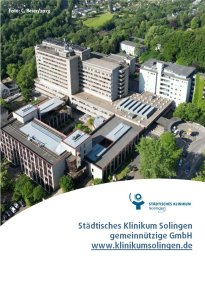
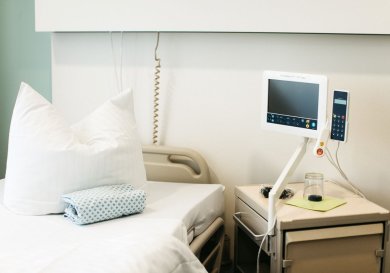
La clinique est certifiée


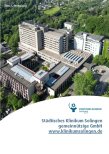
Lieu : Allemagne, Solingen
- Spécialisé dans la chirurgie non invasive des hernies discales par navigation assistée par ordinateur.
- Il a été formé et a donné des conférences sur la neurochirurgie en Chine et aux États-Unis.
- A réalisé avec succès plus de 4 000 neurochirurgies, y compris des hernies discales.
- Membre d'organisations internationales spécialisées dans la neurochirurgie et les troubles de la colonne vertébrale.
- Développe de nouvelles méthodes de traitement de la hernie discale par le biais de la recherche scientifique.
4.0 Bien
8 avis
Prix du forfait à partir de
$18,000Prix du forfait à partir de$18,000







