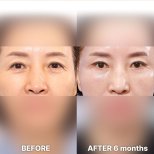
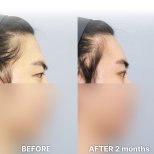
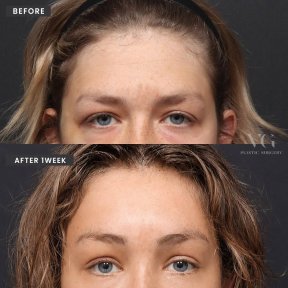
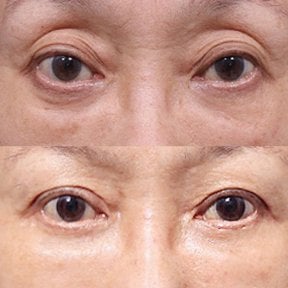
156 personnes ont demandé un devis le mois dernier
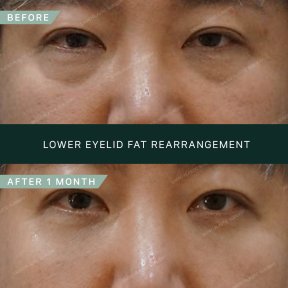
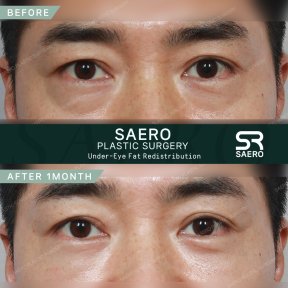
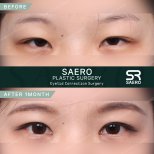
Park Young Kyu
République de Corée, Séoul
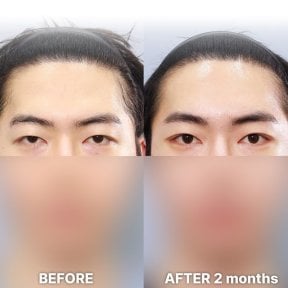
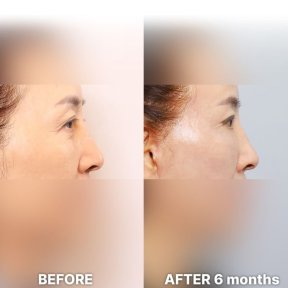
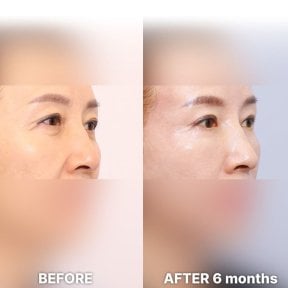
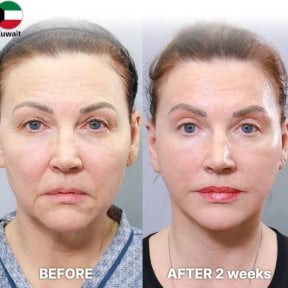
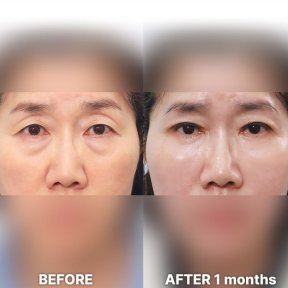
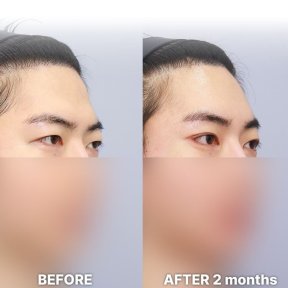
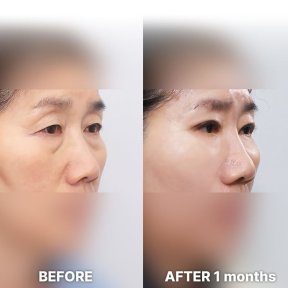
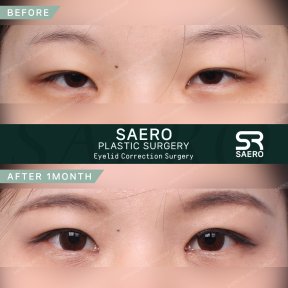
Médecin principal pour votre Chirurgie des paupières tombantes
4.0 Bien•6 avis
25 années d'expérience
Lieu : République de Corée, Séoul
Le Dr Park est un chirurgien plasticien certifié spécialisé dans la chirurgie des paupières, reconnu pour sa précision et son excellence académique.
- Récompensé en tant que meilleur résident par la Société coréenne des chirurgiens plasticiens et reconstructeurs
- Membre à part entière de la Société coréenne de recherche sur la chirurgie des paupières
- Professeur adjoint à l'hôpital Gangnam Sacred Heart
- Membre de l'American Society of Plastic Surgeons
4.0 Bien
6 avis
Visite du médecin
Prix sur demande
Visite du médecinPrix sur demande